40th Goya Awards: Highlights from the "Spanish Oscars"
My personal highlights among the top winners of a truly wonderful year in Spanish cinema.


At the end of February, the 40th Goya Awards ceremony (the Spanish equivalent to the Oscars) took place, and as a Spanish filmmaker myself who has been a firsthand part of The Problem in my country’s film industry by not paying enough attention to our national output, I find it vital to share my personal highlights among this year’s top winners:
"Los domingos" by Alauda Ruiz de Azúa
Best Film, Best Director, Best Original Screenplay, Best Lead Actress, Best Supporting Actress
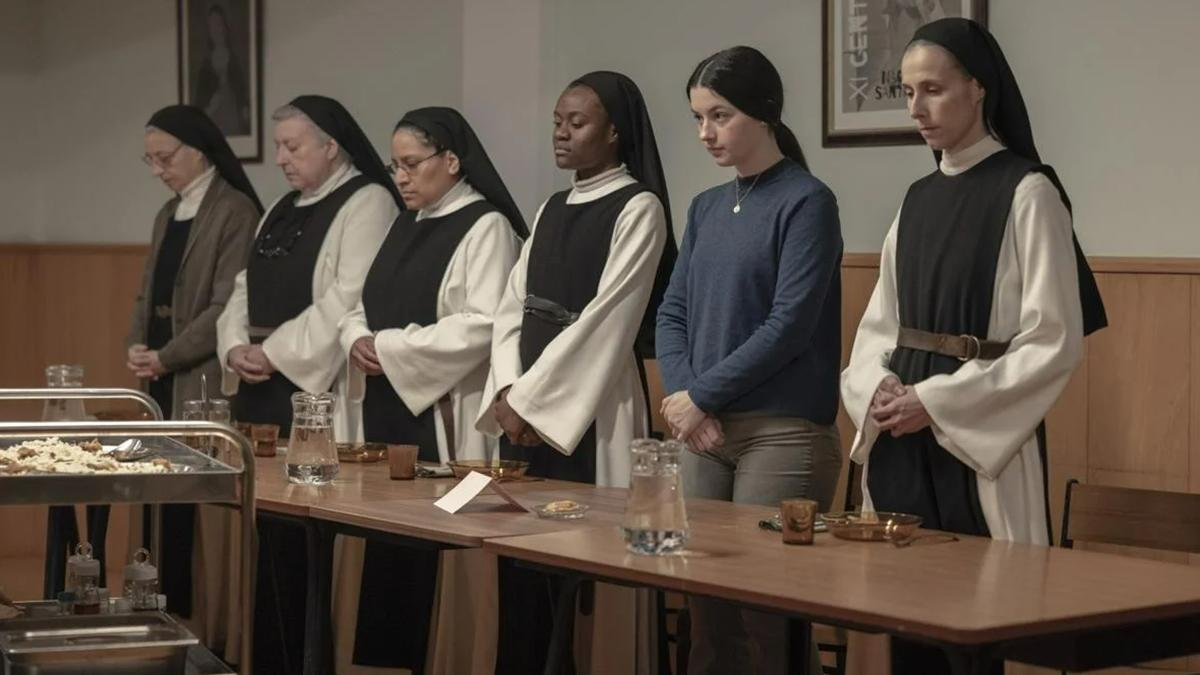
Sweeping five of the most popular categories in the awards, Los domingos (Sundays) tells the story of a 17-year-old girl called Ainara (Blanca Soroa) who, like many teenagers around the world, has a goal in life that doesn’t quite align with what her father and aunt had in mind for her… Except for the fact that her goal is somewhat unconventional for the contemporary teenager – Ainara wants to be a cloistered nun.
In an uno reverse card to the usual teenage rebellion story, writer-director Alauda Ruiz de Azúa delves into the concepts of conditional vs unconditional familial love, exploring the emotional journey behind what would move a 21st century teenager to long for an old fashioned life in what, despite the efforts of many who have tried to reduce the film to a mere debate about whether it is is pro or against religion, is in reality a far deeper conversation around family, and the choices one makes to include or exclude others from their lives.
"Maspalomas" by Jose Mari Goenaga & Aitor Arregi
Best Lead Actor
Most films that discuss gay men choosing whether or not to come out of the closet are generally centred on teenage characters, who, once they (usually) opt for coming out, never go back in.
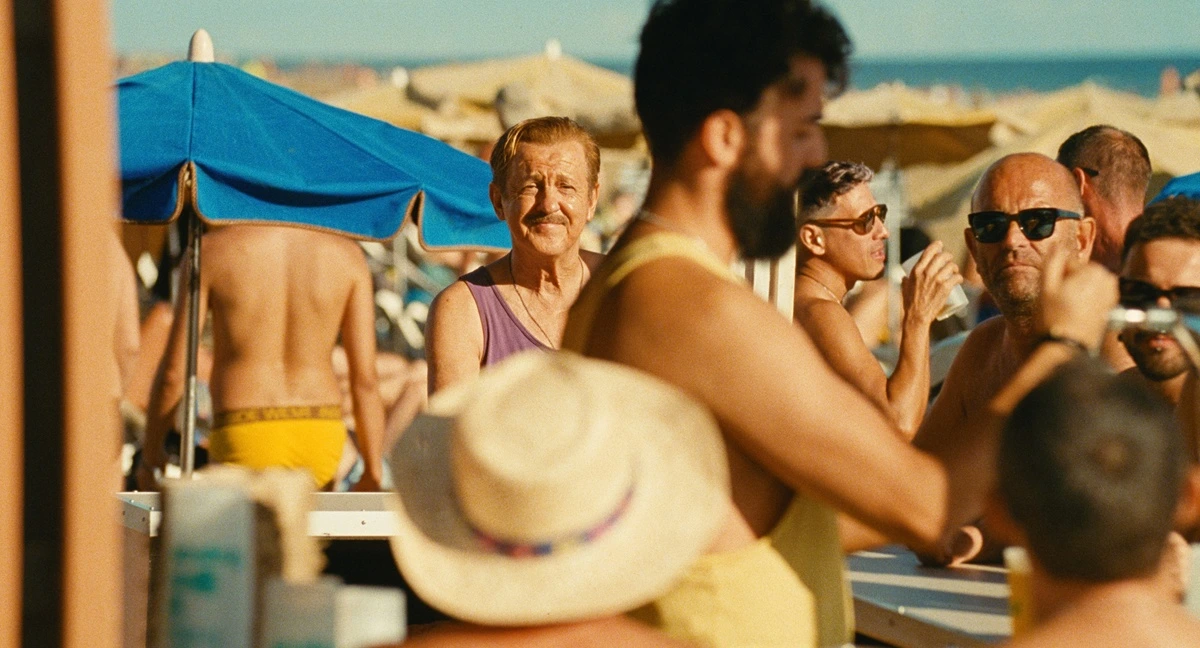
But writer-director Jose Mari Goenaga and co-director Aitor Arregi chose to break both conventional plotlines by telling the story of 76-year-old Vicente, who, after spending many years living loud and proud, chooses to go back into the closet when he ends up in a nursing home after an accident that leaves him disabled. Not only is it refreshing to see a film that openly discusses – and shows – the sexuality of a character inside an age range that doesn’t get much rep in the first place, but the added layer of it being a queer sexuality enriches the representation and reminds the viewer that it’s okay to be gay, whatever your age, just as it’s okay to navigate your choice of being open about said gayness when life takes an unexpected turn.
"La cena" by Manuel Gómez Pereira
Best Adapted Screenplay, Best Costume Design
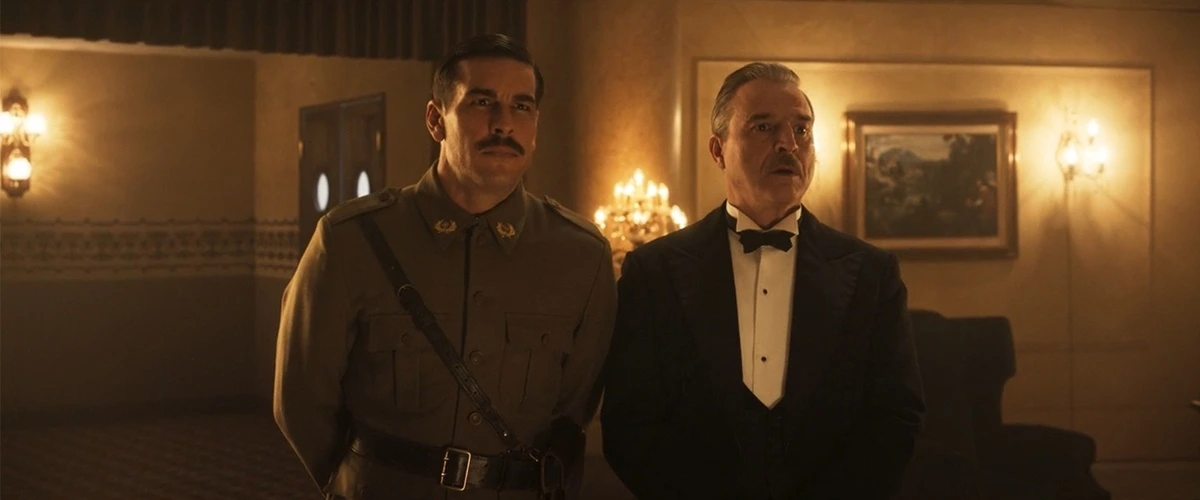
Co-written by Manuel Gómez Pereira, Yolanda García Serrano & Joaquín Oristell – and based on a play by José Luis Alonso de Santos – La cena (The Dinner) takes place in 1939, right after the end of the Spanish Civil War, where dictator Francisco Franco demands that a fascist banquet be held at the Hotel Palace in Madrid to celebrate. The catch? The Hotel’s cooks are all in prison for being left wing, and when they’re temporarily let out to get the job done, they have something else in mind…
Masterly toeing the line between lighthearted comedy and unforgiving commentary on the Spanish dictatorship, La cena comes at just the right time to remind the world of the dangers of fascist ideology, while simultaneously delivering laughs and stunning performances all around.
"Sorda" by Eva Libertad
Best New Director, Best New Actress, Best Supporting Actor
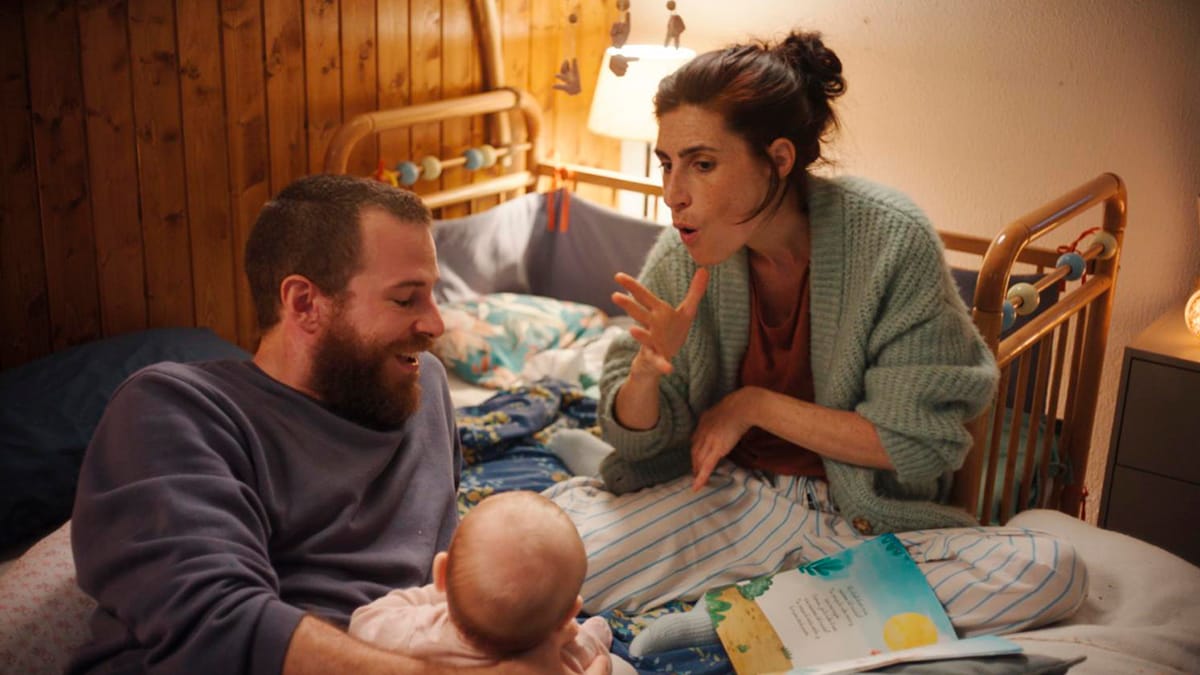
Writer-director Eva Libertad, hand in hand with her sister and lead actress in the film, Miriam Garlo, finally bring to the big screen the story of Ángela, a deaf woman who is expecting a child with her hearing partner, Héctor (Álvaro Cervantes), in a world that is not prone to making the accommodations necessary for those hard of hearing to be fully integrated into society. From sharing the news with loved ones to giving birth, to trying to teach her daughter sign language and feeling excluded among the other parents at the daycare, Ángela struggles with external and internalised ableism in a raw depiction of the hardships that come not so much from being disabled, but from other people’s lack of effort to be inclusive.
With a spectacular sound design that, particularly at the end of the film, fully immerses the viewer into the protagonist’s auditory perception of the world, and fabulous performances all around, the film’s vital representation both on and off the screen became evident when Miriam Garlo walked up to the stage to receive the Best New Actress award, and the entire crowd paused mid-applause to switch to clapping in sign language.
If you want to go a step further and support the work we do, you can become a paid subscriber for £5 a month - it keeps OBSCURAE independent, ad-free, and digging deeper into the culture you care about.