A Mustard Seed - An Exploration of Grief and Faith | Sweet and Short
The new BBC backed short by Femi Oladigbolu conquers in fourteen minutes what many hour long films hope to.
Here at OBSCURAE, we've always championed short storytelling as the hunting ground for your next favourite filmmaker – and encouraged you not to skip the shorts programme! Welcome back to our Short film review series, Sweet and Short.
I happened across A Mustard Seed almost by accident. Sometimes, when the mood doesn’t strike me to devote my attention to any film over ninety minutes, I watch a few short films in quick succession. I found the film on BBC iPlayer, and for its fourteen minute run time, it may as well have been over an hour long for the emotional punch it packs. The film, written and directed by Femi Oladigbolu, and produced by ‘Urchin’ star Harris Dickinson, won the Genesis Award for Best Short Film at the London Independent Short Film Festival - and rightfully so: it’s excellent.
A Mustard Seed is peppered with themes of love and grief, as well as the overarching isolation of religious confusion woven throughout. The film is gritty from the get-go, and it could never be considered that it’s set anywhere other than Britain - think Andrea Arnold’s ‘Fish Tank’ or Mike Leigh’s ‘Naked’. Real, grey, raw: net curtains, shaggy carpet, overcast skies.
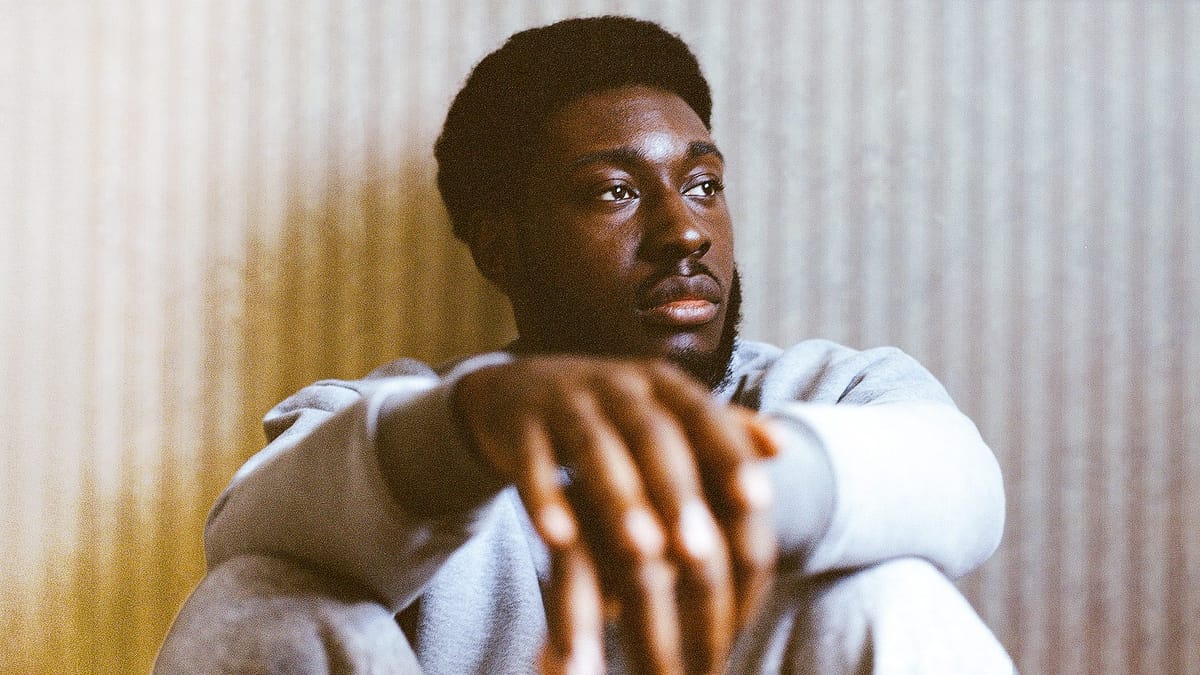
We are introduced to a young man, Olamide (played masterfully by Hope Ikpoku Junior.) Olamide doesn’t appear as rigidly faithful as his father, Pastor Tayo (played by Tayo Aluko) - a man of clearly strong faith and a believer in the power of spiritual healing. Olamide is resentful towards his father after the death of his mother, who died from an illness that could have been treated by prescribed medication, but wasn’t.
Olamide’s agnosticism is a character in itself. A poignant scene in the film sees Olamide within a crowd of people on a riverbank, watching Pastor Tayo dipping people with ailments into the river, with the promise that with God’s will, they will be healed.
Any faith-questioner who has ever been part of an intense spiritual ceremony will understand the feelings displayed so plainly on Olamide’s face during this scene. His eyes narrow as a woman, soaked from the river water, announces she is cured of her illness, and the crowd passionately shout their thanks to the God who took his mother. It’s reminiscent of documentaries about Christian mega churches - there’s always a camera focused on somebody in the roaring crowd looking a little lost; a bit out of place, bewildered. Not totally sure if they could, or should, believe what’s happening in front of them.
The film follows Olamide’s days: the contrast of his short, laconic conversations with his father - yet the care for each other within their strained relationship still obvious, bubbling under the surface - the healing practices and prayer that are so prevalent in his house, and the meetings with his seemingly ordinary friends, where it appears to us viewers that he has to pretend to be a little more stable around them than he really feels.
Overall, A Mustard Seed is a candid, moving exploration of a young man wading through the thick fog of grief, coupled with the unanswered questions that come with religious confusion. Hope Ikpoku Junior does an absolutely stellar job, and I can’t wait to see what he conquers next.
If you want to go a step further and support the work we do, you can become a paid subscriber for £5 a month - it keeps OBSCURAE independent, ad-free, and digging deeper into the culture you care about.