Behind Festival Season: A Volunteer’s POV
Come take a look at what really goes on behind the scenes of a film festival, and I’ll share my festival volunteer do’s and don’ts!

Editor's Note: I’m super excited to bring you this piece from Bethany MacLachlan, for all of you cinephiles considering volunteering at a Festival in 2026!
If you want to go a step further and support the work we do, you can become a paid subscriber for £5 a month - it keeps OBSCURAE independent, ad-free, and digging deeper into the culture you care about.
With this year's film festivals officially in the rearview, we can now take a collective breath and look back on the beautiful chaos that is festival season. From the prestige and glamour of Cannes and TIFF to indie powerhouses like Sundance and the storytelling brilliance of Tribeca, every festival carries its own distinct flavour. But behind the stage curtain, the cogs and wheels all turn the same: ticketing, venues, equipment, guest experiences, promo, comm… It’s enough to make your head spin.
If you’re anything like me, you have wondered what a festival looks like behind the scenes and how it all comes together. When I was at TIFF this year, one thing that really stood out to me was how incredibly helpful the volunteers were (A lifeline for a first-time industry delegate just winging it) and how essential their contribution is to a festival’s success.
So, when the ad for a volunteer position at the Windsor International Film Festival (WIFF) popped up on my social media, I jumped at the opportunity and documented everything. Come take a look at what really goes on behind the scenes, and I’ll share my festival volunteer do’s and don’ts!
But first, WIFF basics: The Windsor International Film Festival is a not-for-profit cultural staple that takes over downtown Windsor every fall. It’s been running for 20 years and is best known for its diverse and exceptional programming, screening 231 feature films this year (wild). What really sets WIFF apart, though, is its accessibility and community vibe. People love this festival…volunteers, audiences, everyone.
“WIFF is proud to be a product of an enthusiastic and committed community. As we’ve grown exponentially over the past 20 years, we’ve made sure to never waver from our commitment to creating arts and culture opportunities for our community and bringing the best films from all over the world to Downtown Windsor,” says Vincent Georgie, Executive Director and Chief Programmer at WIFF.
Pre-Festival Prep
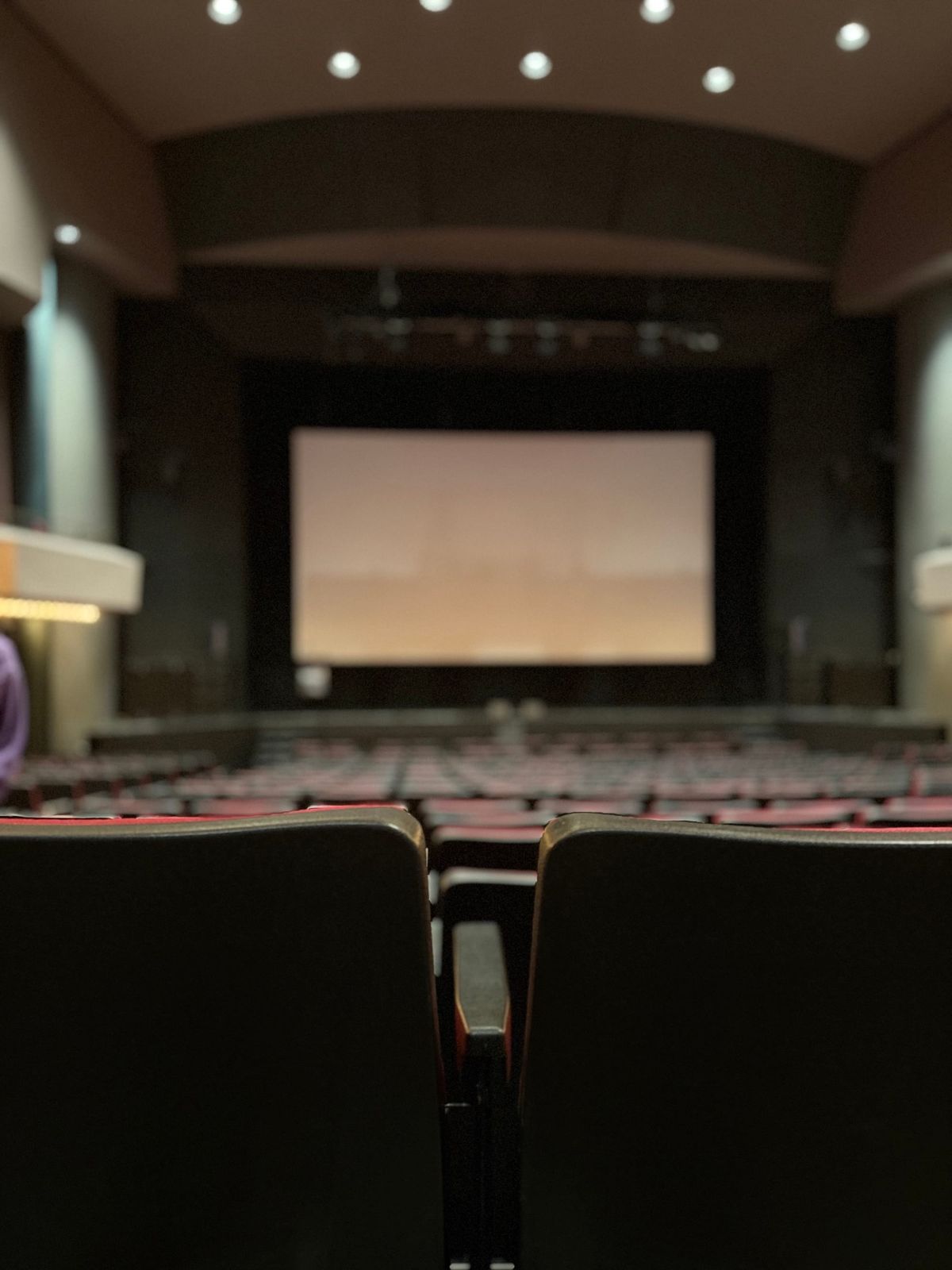
After applying, I had a friendly Zoom call with Austin Di Pietro, Director of Operations & Special Events, and the man in charge of all things volunteer-related. We chatted about my relevant experience, my time at TIFF and, of course, my favourite film (check my Letterboxd if you’re curious).Then came the first of four mandatory meetings, held at the Capitol Theatre, a gorgeous 1920s building with true Old Hollywood vibes and one of WIFF’s main venues. We got the full rundown on how the festival works, which was all a bit of a blur, and a lot to process in the moment. I was genuinely concerned about how I would remember it all in two weeks.Luckily, the next meeting was way more chill. We feasted on pizza and spent the afternoon watching trailers. It was a really fun way to familiarize ourselves with the films being screened and a great opportunity to chat with other volunteers. Our final meeting pre-festival was a venue walk-through of all three screening spaces. Another fun WIFF fact is that it’s designed as a walkable festival. Everything is within 500m, taking you through the heart of downtown Windsor, including “WIFF alley”, a permanent public art installation with the most gorgeous murals from local artists.
Day One
I won’t pretend I wasn’t nervous going in (those crowds at TIFF live rent-free in my head), but I armed myself with a smile, my volunteer shirt and all the essentials in my fanny pack (snacks, water, a book and my knitting, because I am thatperson) and headed to volunteer HQ to report for duty. Headquarters turned out to be a bright second-story space with lots of windows, snacks and a never-ending supply of coffee. The only downside was the dodgy staircase (I kept forgetting about the elevator). My assigned venue for the day was the Capitol Theatre, practically right across the street. So far, so good. We met our venue manager, reviewed the schedule, and chose between scanning tickets and wrangling lines. Veteran volunteers warned me the scanners were glitchy, but I took my chances. And honestly? I loved it. I had so much fun chatting with the patrons about the films they were going to see and vibed my way through the shift. After that, there was a bit of a lull while we waited for the next film to let out. SO happy I brought my knitting! We could also head back to HQ to hang out if we liked. This was the routine for the entire six-hour shift. Long periods of waiting punctuated by a half hour or so of hustle. At the end of the night, my feet were sore, but I was high on that film festival buzz and excited for my next shift.
Day Two
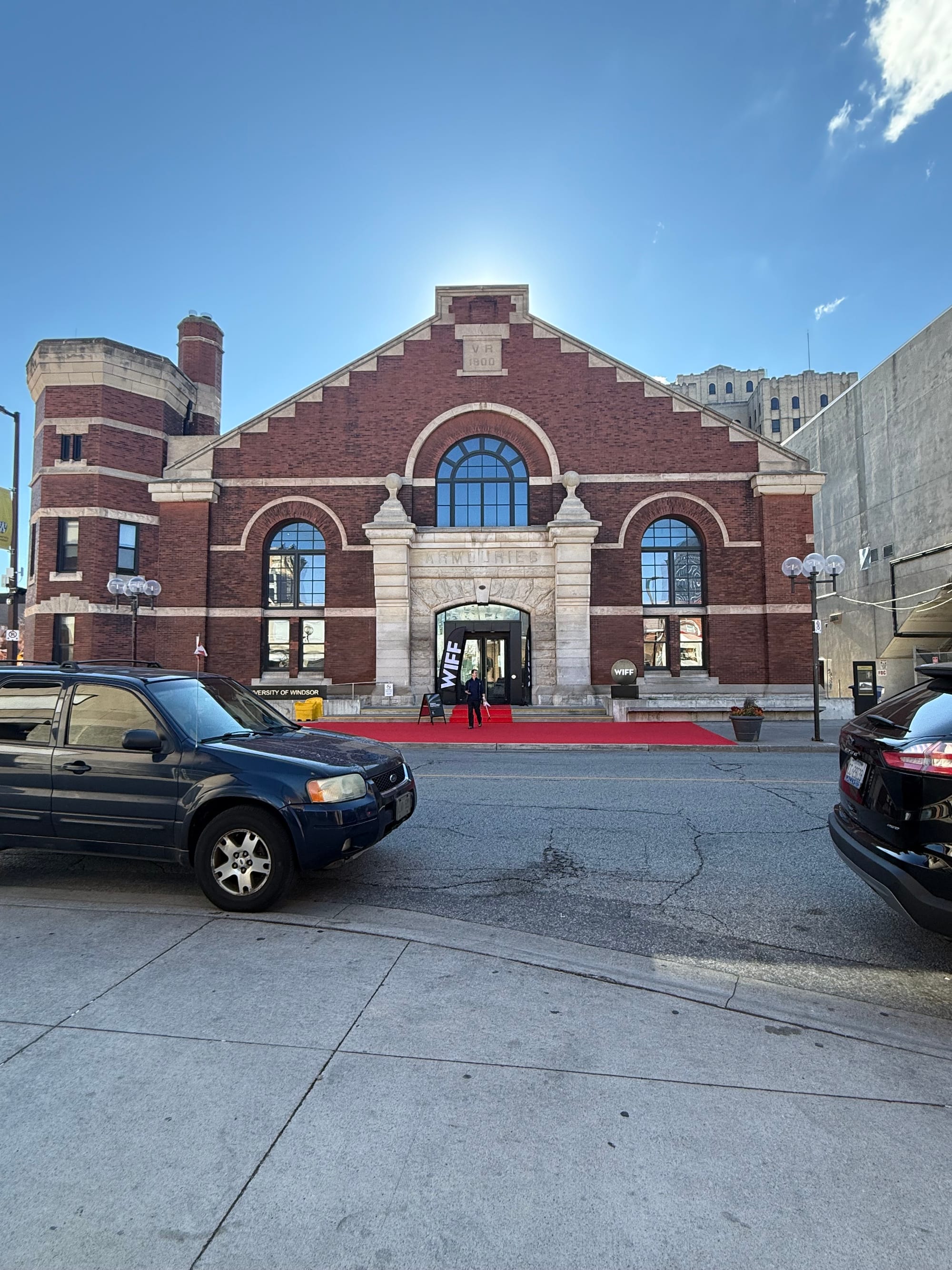
Shift two was at the Armouries. Formerly a military headquarters built circa 1902, it’s now the School of Creative Arts. I’ve always loved the architecture and remember it as a concert venue in the mid-2000s. It’s a smaller venue (only 134 seats), making it perfect for arthouse films. I ended up watching both Barbaracadabra (Barbara Ulrich & Renaud Lessard) and honeyjoon (Lilian T. Mehrel) in this theatre, and the intimate setting made them hit even harder.
Day Three & Four (and a surprise Day Five!)
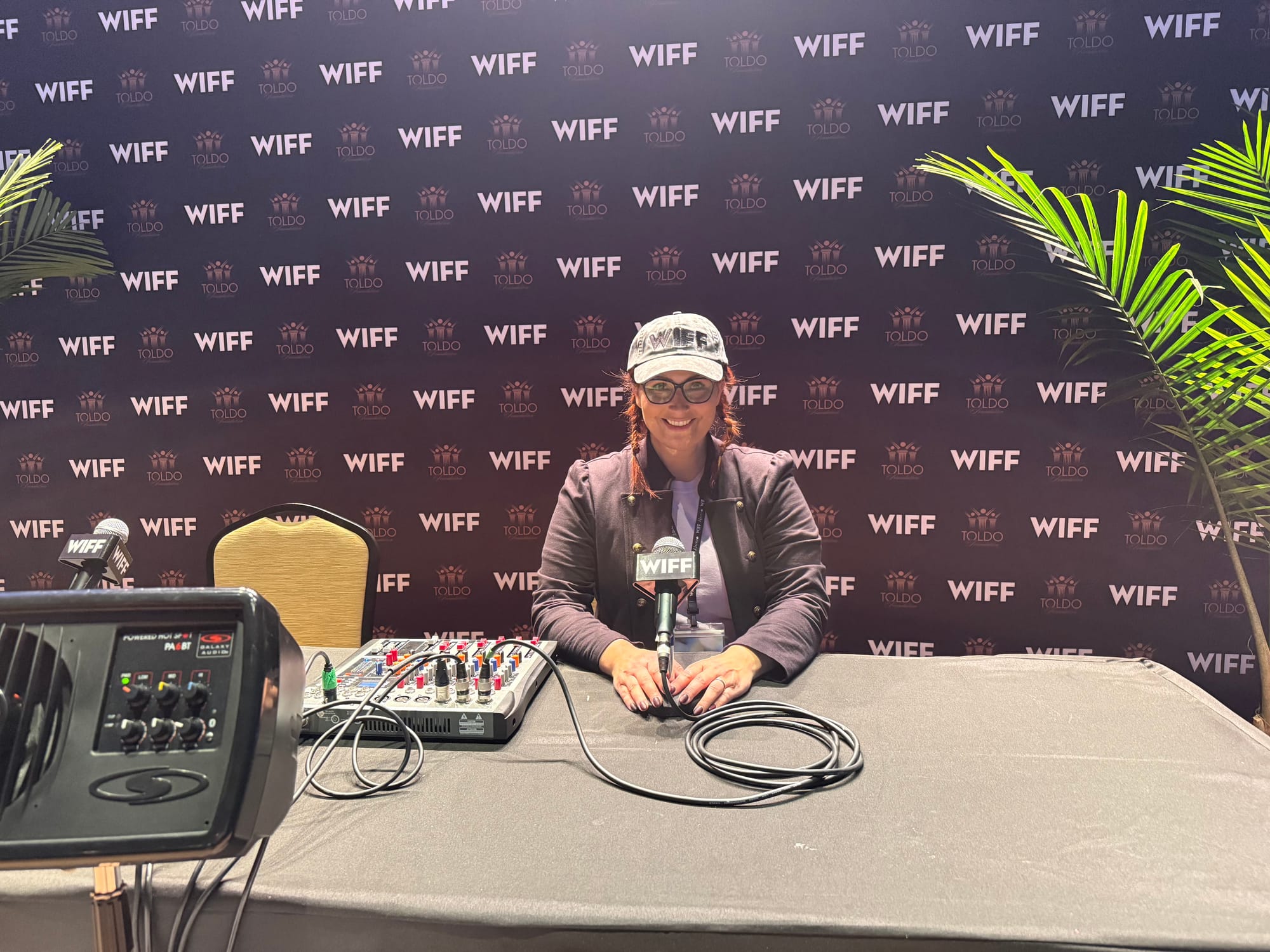
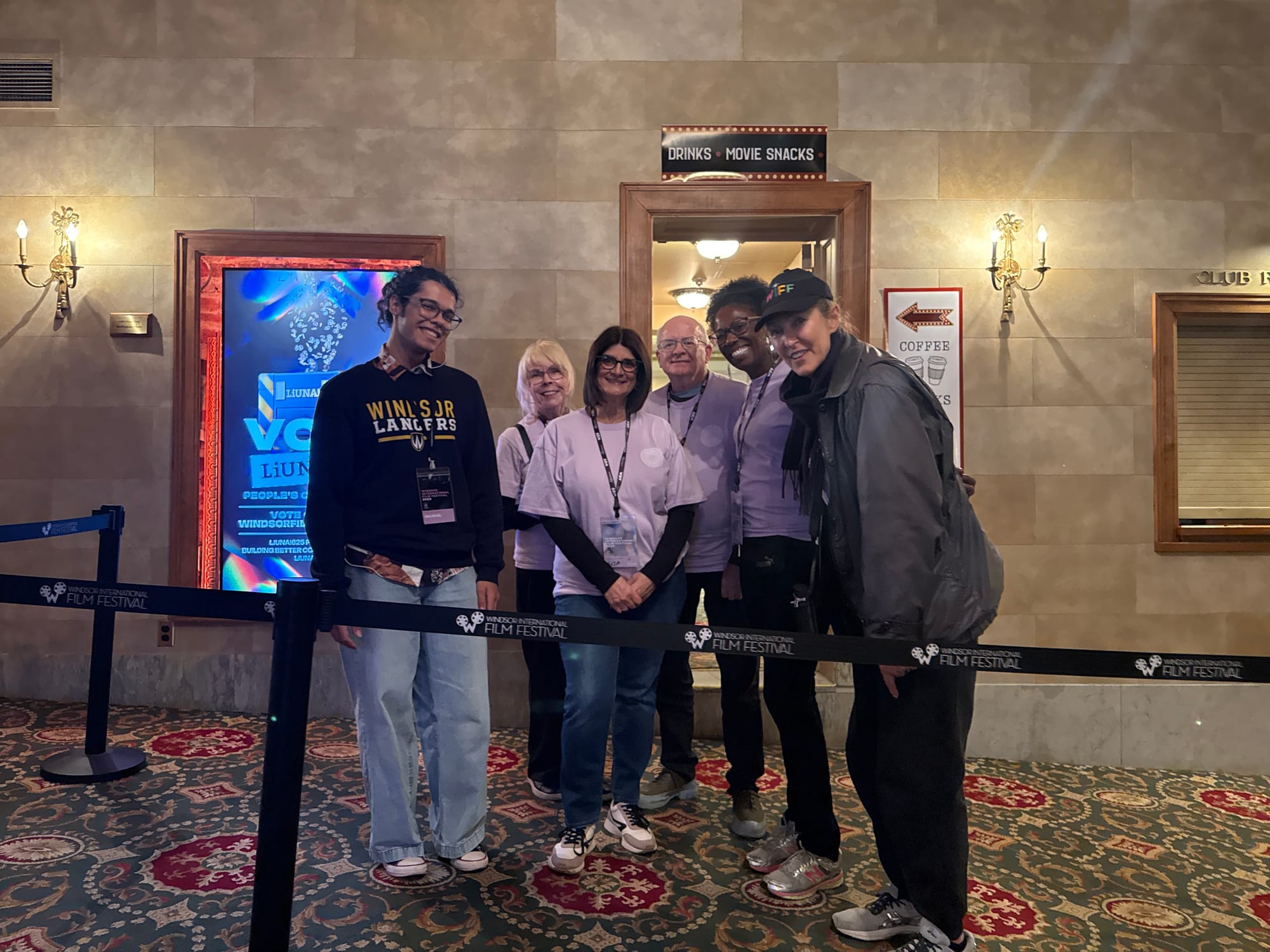
My third and fourth shifts were back at the Capitol. These ones felt like a party. Your co-volunteers definitely influence the mood, and I lucked out with a fun group. There were impromptu dance parties, lots of laughs, and great conversations about movies. WIFF venue manager Tristan Oliver, who is also a Film Co-ordinator at TIFF, said the biggest difference between WIFF and some of the larger festivals is that WIFF is ‘for the people’ and its focus remains squarely on the films. He hopes to see even more young people getting involved in the coming years. After my fourth shift, I still felt like I hadn’t truly experienced the “real WIFF” without participating in Midnight Madness. So I signed up for a fifth shift where I got to witness the cult phenomenon that is Tommy Wiseau’s The Room. Somehow, I ended up dressed in a reflective vest, dancing in the lobby and throwing spoons to hype up the crowd. I peeked into the screening and saw beach balls bouncing, spoons being thrown at the screen, and the crowd chanting, "Focus!" (iykyk) Definitely a highlight, and even better than I expected.
My Festival DO’s & DON’T’s:
- DO wear comfortable shoes. You will be on your feet a lot
- Dress in layers! You’re inside, you’re outside, one minute the lobby’s packed and overheated, the next minute you’re freezing
- Expect downtime. Bring a book, knitting or something to pass the time
- DO NOT skip snacks or coffee. In fact, load up your pockets before your shift. It may be a while before you can sneak away to grab more
- Hang out at HQ between screenings! This is something I wish I’d done more. You meet people, glimpse the behind-the-scenes chaos, watch food deliveries roll in and hear all the fun stories
- DON’T stress about everything you forgot at training. It feels like a lot, but it clicks on the day
- DO make your own fun
- And if you’re lost or forget something, just ask! Volunteers are super friendly and always happy to help
If you ever get the opportunity, I can’t recommend volunteering at a film festival enough. I'll definitely do it again. It’s such a fun way to meet people, make connections and immerse yourself in the world of film. And as fellow volunteer and exchange student, Maxsuel Feliciano put it: "We all need a little bit of art in our lives.”