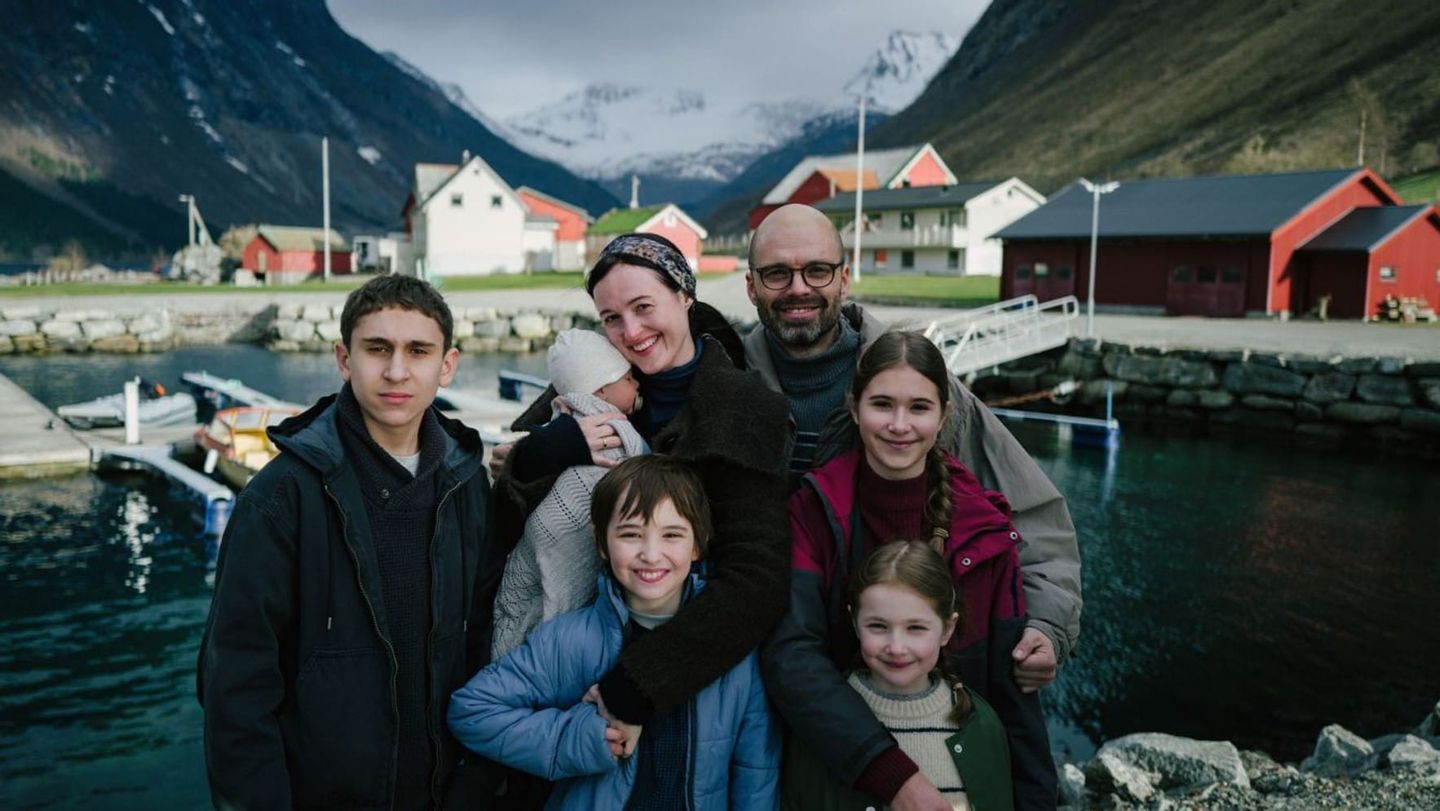
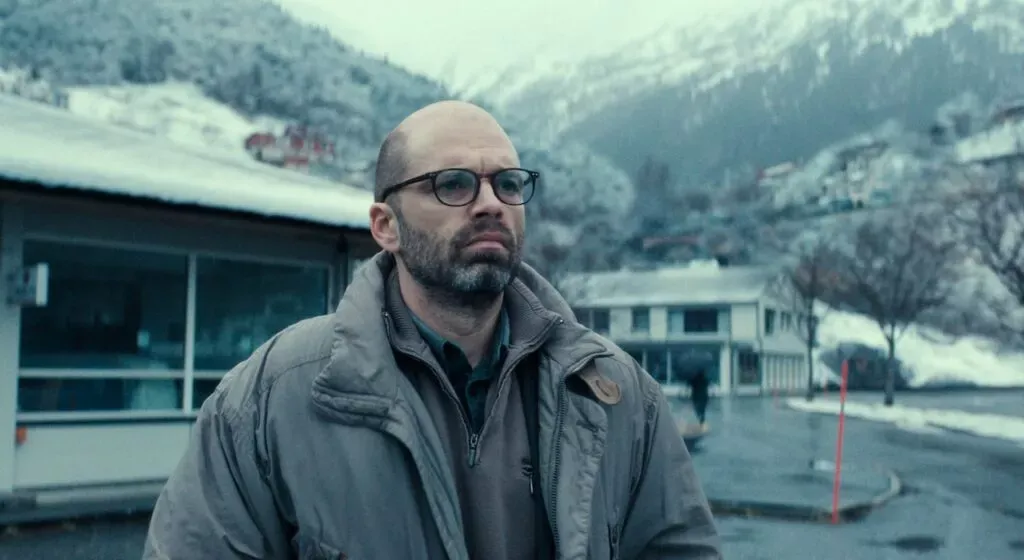
Fjord is a family drama following the arrival of a Norwegian-Romanian family to a sleepy Norwegian fjord, where the apparently peaceful lives of the conservative Christian parents are upended as they find themselves facing allegations of child abuse from the school’s Protective Services.
This film really scratched a “philosopher’s itch” in my brain:
Beneath the beautiful colour grading, intimate cinematography (I did not notice a SINGLE completely ‘locked off’ shot), and phenomenal acting (not least from its three major child actor roles), writer, director, and co-producer Cristian Mungiu has woven a nuanced moral conflict that forces us to ask some big questions:
When are cultural values wrong?
How far should we tolerate values we don’t agree with?
When does one side not have a right to express their beliefs?
The film doesn’t make it easy for us to find a clear side to take here. Over nearly two-and-a-half hours of runtime, we’re shown both an intimate, loving, and present Christian family that simultaneously preaches religiously-justified homophobia to their young children.
At the same time, the Norwegian Child Protective Services protects children they suspect are being abused, but the bureaucracy is shown as cold, unfeeling, and accusatory, and doesn’t hold back from demonising the potentially innocent parents.
As for those performances - the parents, played by Sebastian Stan and Renate Reinsve, are brilliant in portraying the complexity of their situation – spanning anger, shame, confusion, and grief so authentically it’s easy to get lost in their world.
The children maybe even more so: the reserved Christians Elia (Vanessa Ceban) and Emmanuel (Jonathan Ciprian Breazu) strike up a friendship with the rebellious Noora (Henrikke Lund-Olsen) who tempts them away from their straight-shooting upbringing, and the trio brilliantly tackle the confusion of adolescence and the search for independence.
Ultimately, we’re left to come to our own conclusions about the relationships both within and between the families of the town. The film gorgeously portrays this dense subject matter and gives space for us to make up our own minds on the big questions, and because of that means the entertainment value of the story stays long after we leave our seats.
Support our work
You can subscribe to the OBSCURAE newsletter for free, or become a paid Aficionado for £5/month to help fund independent coverage, contributor fees, site hosting, and admin costs.