Impure Nuns: The Black and White Ages of Queer Cinema

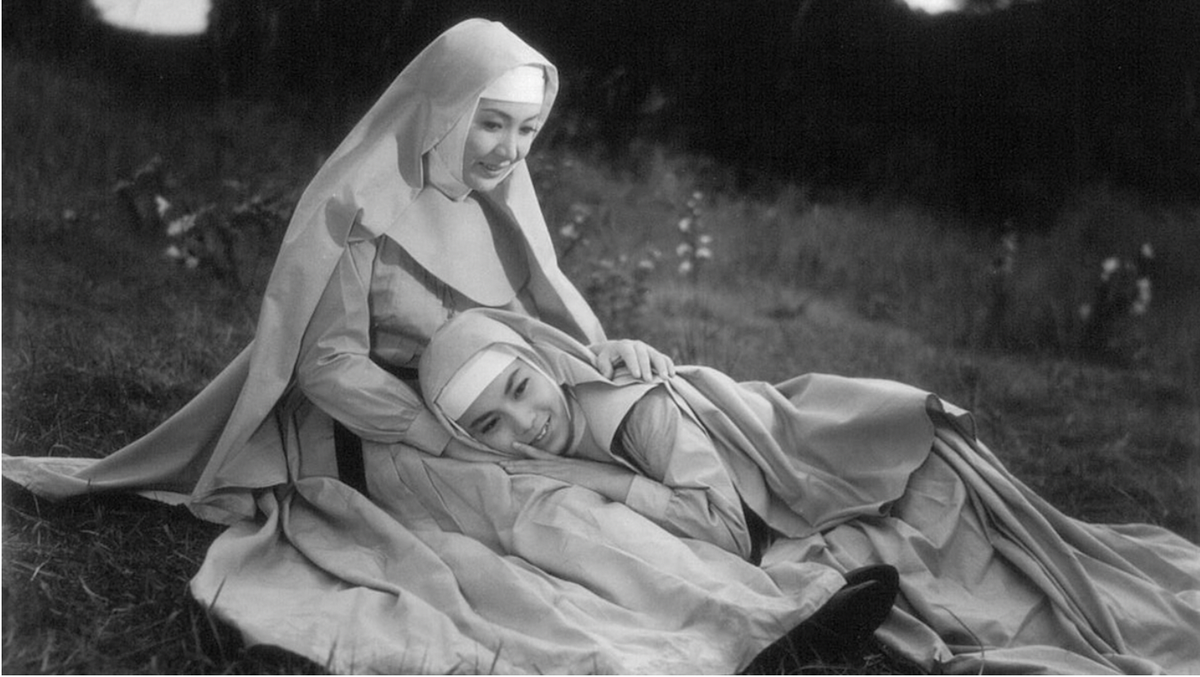
BFI Flare offered up an unusual film for this screening - from 1958 Japan, Impure Nuns has been translated and brought to England for the very first time. This film encapsulates a perspective on queer cinema that is well ahead of its time - capturing a love that is frowned upon, yet powerful and sweet.
This film is 70 minutes of utter chaos. We follow Eri, a young girl who is sent to a strict religious boarding school after she becomes pregnant by rape. Three years later, we find her solemn and strict, but her new way of life is interrupted by the arrival of a new girl, Anna. This friendship rapidly evolves into a deep and meaningful romance. From this, an affair is born, with two girls' overpowering feelings utilised to spur a plot that highlights conflict between religious practice and repressed sexuality.
This film explores some tender and complex themes, proving surprisingly heartwarming for a film of this nature from this era. The growing passion between Anna and Eri feels timeless; the rush of excitement and the desire to be glued to each other's hips are wonderfully campy and ever-so-cute. However, this film delves into the dark undertones, with love and superstition sparking jealousy that threatens the innocence of all involved. With two deaths and violence against Eri focusing the narrative, the progressiveness of this love story could be easily taken for granted or painted as a nuisance.
Despite the sombre elements, this film is a LOT of fun. Perhaps giving credit to its dated nature, the death scenes come across comedic, and the "spelling out" of flirting works on levels probably not anticipated upon its release. It is unexpectedly wholesome, highlighting both the intensity and the complicated nature of young queer love. There is comedy throughout that lightens the tone, meaning it avoids an uncomfortable atmosphere.
The two leading characters capture this youthful love in their own right, with Eri initially being more cautious and sceptical, but finding joy again with this new spark. Anna is carefree and confident, drawing the two together quickly while retaining a child-like innocence. They are also supported by a cast that heightens tensions and drives forward the narrative in a manner of fast-paced chaos.
Impure Nuns is a treasure from the past that is finally seeing the light of day. It has found itself as one of the first bold steps in queer cinema, and I hope it will gain more traction in viewership.
It is endearing, fun, and stands for a much bigger movement than was realised at the time.