Julian: Love, Loss, and Legacy | BFI Flare 2026

There is much to be said about the lack of queer female relationships on screen. As cinema becomes more diverse, it is pertinent to open that space for the representation of love in all forms. Julian brings this love to life with a raw story that refuses to sensationalise devastation and grief. This film sets itself apart from the usual pattern of love and loss, reminding us that emotions are not calmed by knowing the inevitable, but prolonged and deepened.
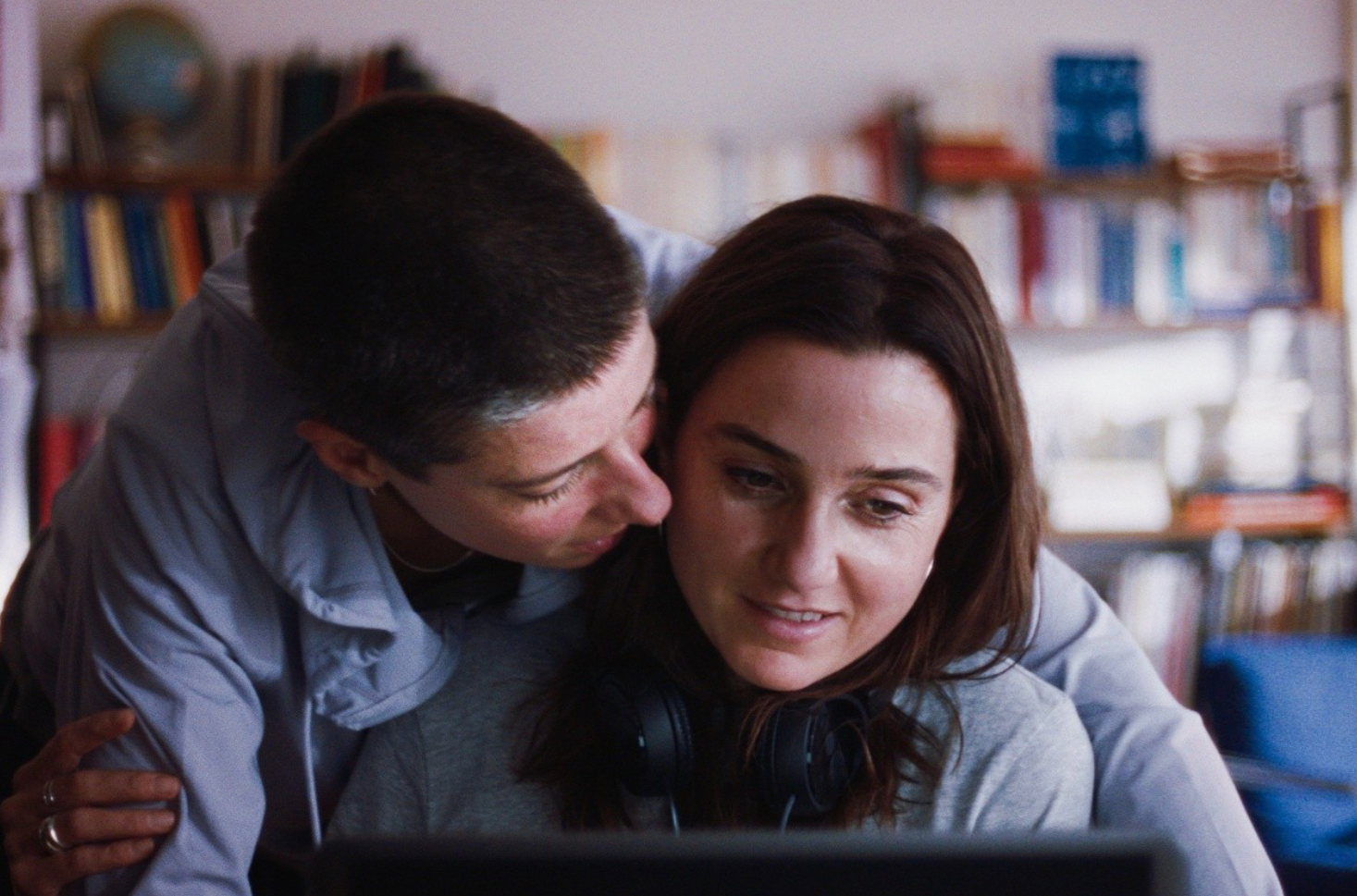
Fleur (Nina Meurisse) and Julian (Lauren Roothooft) meet by chance and fall madly in love. In an aim to demonstrate the need for progress in the world, they decided to get married in all 22 countries where it is legal to do so (in 2017). The film utilises time jumps to take us between the highlights of their travels, the present day, and Julian's deteriorating health. We are quickly met with the solemn understanding that Julian will not survive this illness; however, the film is propelled by such raw emotion that you hold onto hope until the very end.
The highlight of this film is the stellar performances from both leads. Nina brings to life a Fleur who is determined, focused, and full of love and passion. We see her love Julian from three areas of the heart: as an adoring wife, a caregiver, and a widow. The power of this performance means that level of love never wavers - you ache for the sorrow she undergoes, feeling the quiet disbelief in your throat. Lauren portrays a joyful, more relaxed Julian, helping her fiancé find fun in the moment rather than always looking ahead. The chemistry between the two is intoxicating; you feel as if you have grown alongside them despite the interrupted timeline. There is no purer display of affection than between a couple clinging to their final moments, and it is moving in every way possible.
The director, Cato Custers, creates a distinct tone for the piece. It feels honest and real from the first minute, with intentional shots and very "human" dialogue that enhance the couple's warm energy. Though i do not often feel that jumping timelines allow you to resonate enough with the, this film does it perfectly. It articulates how love endures - the look Fleur has while she marries Julian is the same in her eyes, glued to the screen, savouring the memory caught on camera. There is such natural beauty in this film, and I was in awe of its innovative approach to exploring grief. It does not allow you to process and compartmentalise, but forces you to sit with it. To follow the logistics of pain medication, the horror of having to just keep living, and to mourn a love that didn't get its time. The silence throughout the cinema indicated the collective struggle to reckon with grief, which is why this film is brilliant.
Though fuelled by tragic loss, Julian brings to life a queer relationship that the community desperately needs. They demonstrate the power of love and truly understand through sickness and health. Their goal to share their love in every country that welcomes them is admirable, and makes it all the more painful knowing their dream of empowering the queer community met an obstacle that no amount of love can conquer. We end the film at the beginning, but with a context that makes this extremely bittersweet.
Julian is a beautiful display of the light and dark of a marriage, with two souls intertwined through both life and death.