[ENG/ARB] Khartoum - Interview with Directors Rawia AlHag, Phil Cox, and lead subject, Khadmallah
When it premiered at the 2025 Sundance Film Festival to resounding applause, the filmmakers knew that the audience were craving that sincerity. The film resists grand explanations, opting for stories that you wouldn’t see in the headlines.

![[ENG/ARB] Khartoum - Interview with Directors Rawia AlHag, Phil Cox, and lead subject, Khadmallah](/content/images/size/w1200/2026/01/Still_fromMovie_Khartoum_1.jpeg)
When you search “Khartoum film” on Google, the first few results are still the 1966 Basil Dearden, Laurence Olivier-led epic, a colonial picture that lingered in the Western imagination far longer than any Sudanese story was ever allowed to. For decades, Khartoum existed on screen as a backdrop rather than as a lived city with real people.
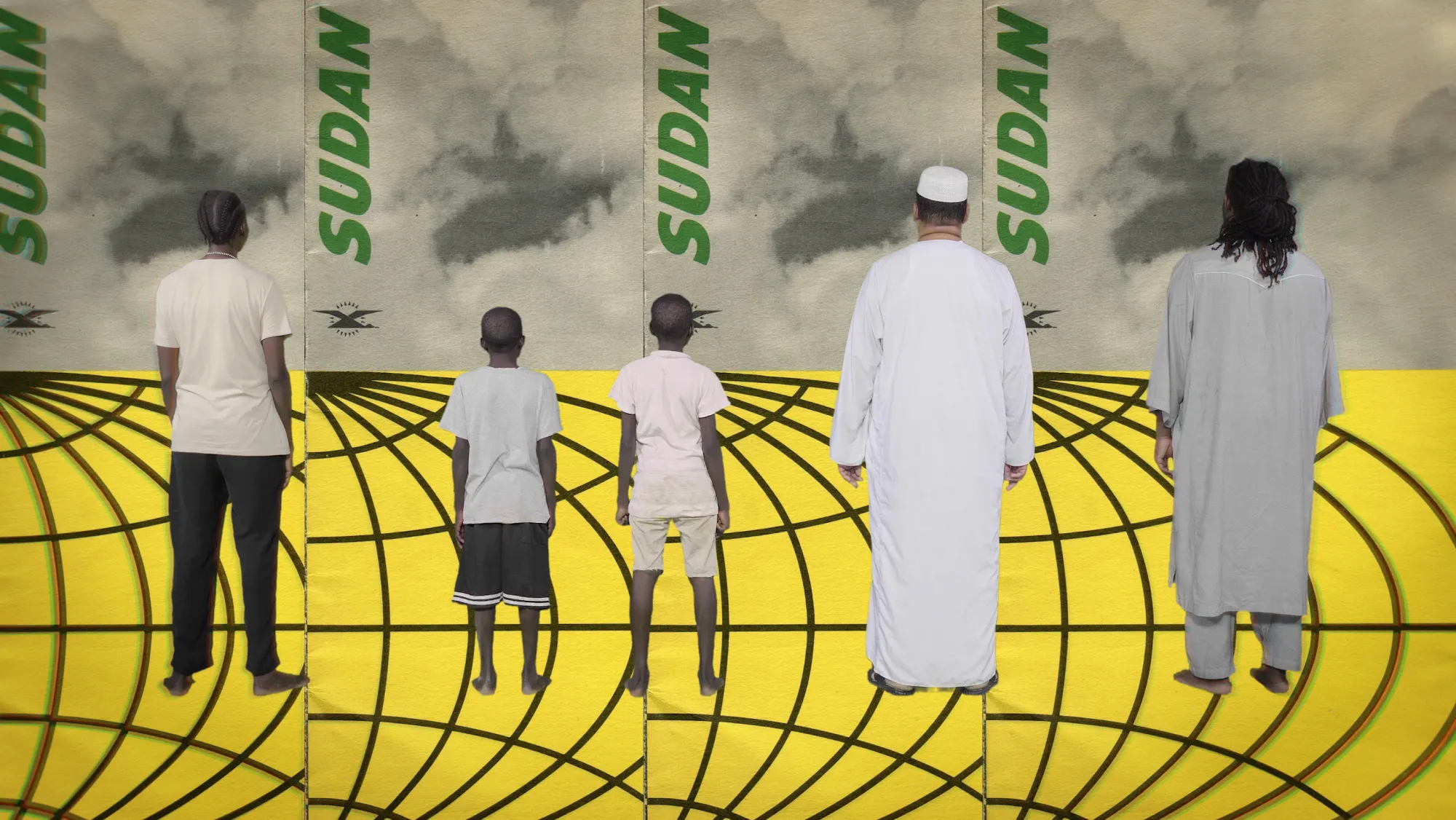
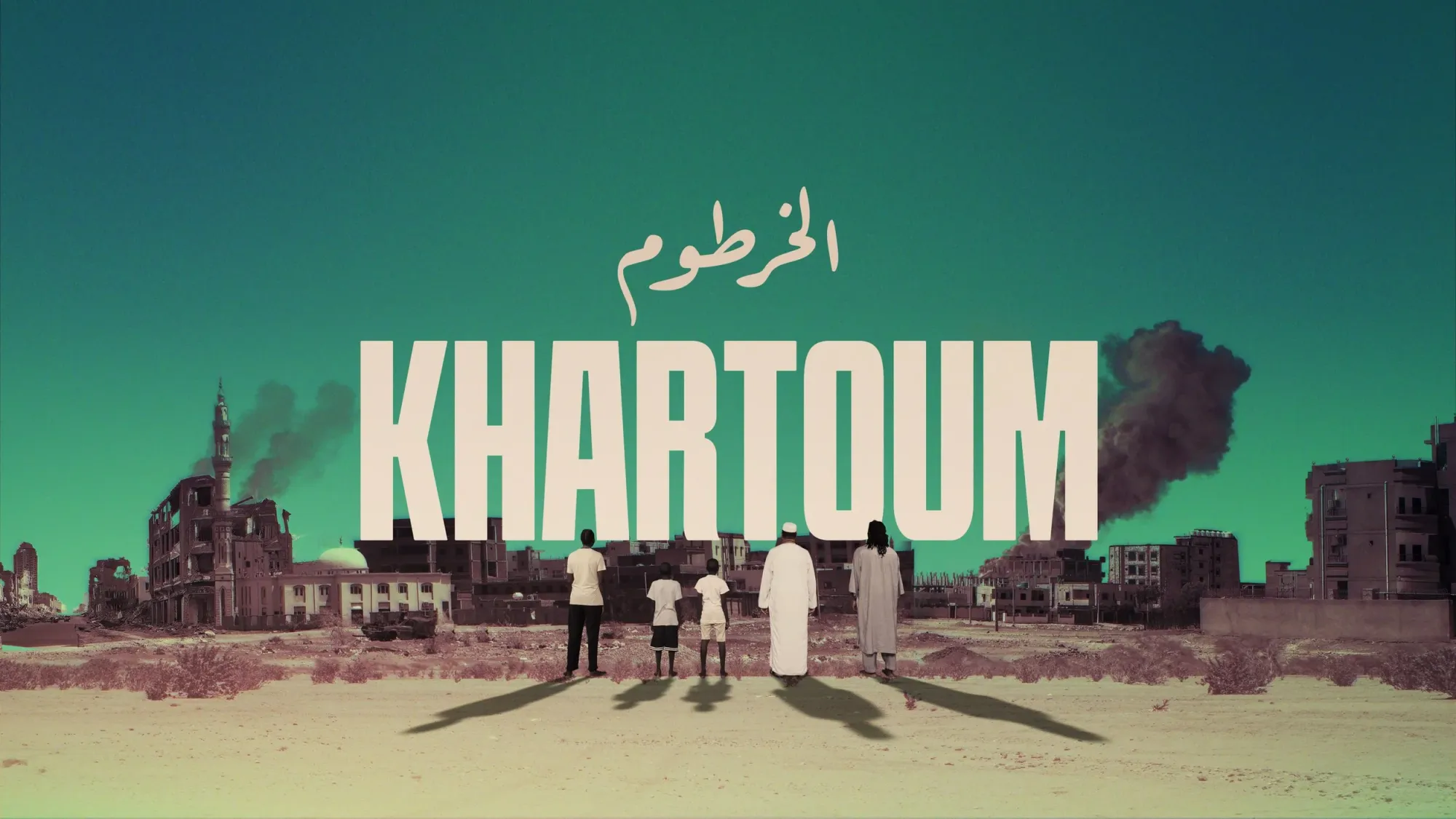
As of January 2025, that began to change. Khartoum is a documentary born from collaboration: five directors coming together to tell a story grounded in intimacy and connection. The film follows five Sudanese individuals navigating life after the outbreak of war between the Sudanese Armed Forces and the Rapid Support Forces (RSF), and the displacement that followed into Kenya and Egypt.
These people are Lokain and Wilson, twelve-year-old (and very fashion forward) best friends; Khadmallah, a tea and coffee vendor and single mother trying to change her life amid uncertainty; Jawad, a Sufi yearning for freedom; and Majdi, an office worker who finds his deepest fulfillment in time spent with his son, racing pigeons.
When it premiered at the 2025 Sundance Film Festival to resounding applause, the filmmakers knew that the audience were craving that sincerity. The film resists grand explanations, opting for stories that you wouldn’t see in the headlines. The filmmakers describe their approach as focused on the authenticity of the story and dedicated to the fidelity of in telling the stories of the subjects.
So we sat down with directors Phil Cox and Rawia AlHag, along with one of the lead subjects Khadmallah, at the London Film Festival to talk about that process.
Q: How did you approach making a film set against a backdrop of political turmoil that was still unfolding?
Rawia: I spent eight months in Sudan during the war and experienced a large part of it directly. During that time, I was watching international media coverage and felt there was a huge gap. The scale of the destruction and human impact was far greater than what was being shown. That made it feel like a responsibility. All five of us as directors shared that sense of duty: to keep documenting what was happening and to reflect the real struggles of people in Sudan.
Making the film came with a lot of challenges, especially around trauma. Khadmallah mentioned that there were times during filming when emotions became overwhelming and she would begin to cry. So we made sure to have a Sudanese therapist on set, who understood the cultural and political context of the war and could help us handle these moments with care.
We also used theatre as a tool to recreate scenes based on lived experiences since we couldn’t return to Sudan to film, which helped us remain sensitive to the realities and emotional weight carried by everyone on set.
Q: How were you chosen to be part of the film, and what was your biggest challenge on set?
A: I was working in the Arab Market as a tea vendor, and the director was one of my regular customers. One day he came into the shop and said, “We have a film, and I want to choose you because I think you’d be great in it.”
The biggest challenge at first was convincing my family to let Anas [Saeed] come into our home and film, because it’s not appropriate to have a man filming inside your house. I spent a long time trying to persuade my mom, and thankfully, she agreed, and filming began.
As for how I felt, I was often scared. When Anas was filming with the drone in the neigbourhood, some people would say, “Khadmallah brought strangers to film and gather information about the area.” I tried to explain that the story was only about me. On the street, people were cautious too, saying, “You’re taking information from us!” and we had to reassure them that we weren’t filming anything else.
Even during the protests, I would go out after work, and sometimes I went with Anas while he filmed me. We faced many challenges, like the police being nearby, as you can see in the film.
Q: How did you balance storytelling with the responsibility to address the crisis?
PHIL: We didn't have a responsibility to the crisis, but moreso a responsibility to be truthful to our characters and their journeys. As a result of the political context, the timeline of recent Sudanese history, and the madness of change and upheaval, the film becomes a document of that moment. There’s no way for it not to reflect and analyze Sudan’s recent political transformation, but this is not a film that provides a comprehensive political overview. It gives you just enough context, but no more, because the real power of the film lies in the intimacy of these five individual worlds.
Of course, we constantly asked ourselves whether we should explain more, but we knew there were other films that could do that. There are many Sudanese stories that need to be told about displacement, hunger, camps, and political struggle but we had to be disciplined and trust the strength of what we were making.
Q: When did you first decide to make this film and how did everyone come into the project?Rawia: The idea started with Phil, after he visited Sudan before the war. He wanted to make a film with Sudanese directors about the city of Khartoum. I think Khartoum is an incredible city, full of stories. The team was very diverse, and I was the only woman. It was the first time most of us met each other, so it was important to find a way to share ideas effectively.
We decided to do the workshop as a kind of brainstorming session to develop ideas about the film’s structure, and we kept this method up until after editing. We constantly exchanged ideas every step of the way. This process also strengthened the relationship between us directors, and we will collaborate on more projects together in the future, God willing.
PHIL: The project began as a workshop. There was an open call to create five ten-minute poetic films in the city of Khartoum, shot on iPhones. The idea was called Khartoum Bites. Then the war began, and we had to make it into something else.
At that point, everyone involved, including the production company Native Voice Films, the funders, and five directors, became committed to reshape the into something bigger, which eventually led to Khartoum.
Q: How do you feel after the reactions from Sundance, Berlin, and now LFF?
PHIL: We never knew whether the film would succeed or fail. From the beginning, we thought of it as a document of Khartoum before the war. So, even if the film had “failed” in a traditional sense, it would still have value. I’ve worked in film longer than some of my colleagues, so I knew how easily films can go nowhere after years of work. They were more excited going into it. But the film found its audience, it premiered in Sundance and reception was amazing.
Rawia: At Sundance, especially during the press, the team felt a much bigger sense of responsibility. About half of the questions were about the film itself, and the other half were about Sudan. That made it clear to all of us that this wasn’t just a film anymore, it had become a message from the Sudanese people to the world.
That interview has been edited for length and clarity and partially translated.
عند البحث على «فيلم الخرطوم» على جوجل، ما زالت النتائج الأولى تشير إلى ملحمة عام 1966 من إخراج باسل ديردن وبطولة لورنس أوليفييه، فيلم استعماري ظل عالقًا في المخيلة الغربية لفترة أطول بكثير مما سُمح لأي قصة سودانية بأن تبقى. لعقود، ظهرت الخرطوم على الشاشة كخلفية للأحداث، لا كمدينة حية يسكنها أناس حقيقيون.
اعتبارًا من يناير 2025، بدأ هذا التصور في التغيّر. الخرطوم هو فيلم وثائقي وُلد من رحم التعاون، جمع خمسة مخرجين لصناعة عمل قائم على الحميمية والاتصال الإنساني. يتتبع الفيلم حياة خمسة سودانيين وهم يحاولون النجاة بعد اندلاع الحرب بين القوات المسلحة السودانية وقوات الدعم السريع، وما تبعها من نزوح إلى كينيا ومصر.
هؤلاء هم لوكين وويلسون، صديقان في الثانية عشرة من عمرهما يتمتعان بحسّ عالٍ بالأناقة؛ وخضملة، بائعة الشاي والقهوة والأم التي تحاول تغيير حياتها وسط حالة من عدم اليقين؛ وجواد، المتصوف الذي يتوق إلى الحرية؛ ومجدي، الموظف الذي يجد أعمق معاني الرضا في الوقت الذي يقضيه مع ابنه، وهواية تربية حمام السباق.
عندما عُرض الفيلم لأول مرة في مهرجان صاندانس السينمائي عام 2025 وسط تصفيق حار، أدرك صنّاعه أن الجمهور كان متعطشًا لهذا النوع من الصدق. يتجاهل الفيلم التفسيرات الكبرى والخطابات الجاهزة، مفضلًا سرد حكايات لا نجدها عادة في العناوين الإخبارية. ويصف المخرجون مقاربتهم بأنها قائمة على أصالة السرد والالتزام التام بالأمانة في نقل قصص أبطال الفيلم.
و لذلك تحدثنا مع المخرجين فيل كوكس وراوية الحاج، إلى جانب إحدى الشخصيات الرئيسية في الفيلم، خضملة، خلال مهرجان لندن السينمائي، للحديث عن هذه التجربة ومسار صناعة الفيلم.
س: كيف تعاملتم مع فكرة صناعة فيلم تدور أحداثه على خلفية أزمة سياسية لا تزال جارية حتى الاّن؟راوية: أنا كبنت سودانية شهدت هذه الأحداث عن قرب، قضيت ثمانية أشهر في السودان خلال الحرب وعشت جزءًا كبيرًا منها. خلال تلك الفترة، كنت أتابع تغطية الإعلام الدولي وشعرت بوجود فجوة كبيرة. كان حجم الدمار والأثر البشري أكبر بكثير مما يُعرض. هذا جعل الأمر يبدو وكأنه مسؤولية. جميعنا الخمسة كمخرجين كنا نشترك في هذا الشعور بالواجب و الاستمرار في توثيق ما كان يحدث وعكس المعاناة الحقيقية للشعب السوداني.
تصوير الفيلم جاء مع العديد من التحديات، خاصة فيما يتعلق بالصدمة النفسية. ذكرت خضملة أنه كانت هناك أوقات أثناء التصوير تصبح فيها المشاعر طاغية وكانت تبكي. لذلك تأكدنا من وجود معالجة نفسية سودانية في موقع التصوير، تفهم السياق الثقافي والسياسي للحرب، يمكنها مساعدتنا في التعامل مع هذه اللحظات بعناية.
كما لجأنا إلى المسرح كأداة، لإعادة خلق المشاهد استنادًا إلى تجارب حية، نظرًا لأننا لم نستطع العودة إلى السودان للتصوير، مما ساعدنا على سرد هذه القصص مع البقاء حساسّين للواقع والوزن العاطفي الذي يحمله كل شخص في موقع التصوير.س: كيف وازنتم بين السرد السينمائي والمسؤولية تجاه الحديث عن الأزمة؟فيل: لا أظن أن لدينا مسؤولية مباشرة تجاه الأزمة بقدر ما كانت لدينا مسؤولية أن نكون صادقين مع شخصياتنا ومع رحلاتهم الإنسانية. وبحكم السياق السياسي، وتسلسل الأحداث في التاريخ السوداني الحديث، وحالة الجنون الناتجة عن التغيير والانقلابات، يصبح الفيلم بالضرورة توثيقًا لتلك اللحظة. لا يمكن له إلا أن يعكس ويحلل التحولات السياسية الأخيرة في السودان، لكنه في الوقت نفسه ليس فيلمًا يقدم قراءة سياسية شاملة.
الفيلم يمنح المشاهد القدر الكافي من السياق، دون إفراط، لأن قوته الحقيقية تكمن في دخول عوالم شخصياتنا الخمسة. وبالطبع، كنا نتسأل إن كان علينا أن نوضح بعض الأمور، لكننا كنا نعرف أن هناك أفلامًا أخرى يمكنها القيام بذلك. هناك الكثير من القصص السودانية التي تحتاج إلى أن تُروى عن النزوح، والجوع، والمعسكرات، والنضال السياسي و لكن كان علينا أن نكون منضبطين، وأن نثق بقوة الفيلم الذي نصنعه.
س: كيف بدأت فكرة الفيلم و كيف تعاونتوا كمخرجين على صناعته؟
راوية: الفكرة بدأت مع فيل بعد زيارته للسودان قبل الحرب، حيث أراد أن يصنع فيلمًا مع مخرجين سودانيين عن مدينة الخرطوم. الخرطوم مدينة عظيمة جدًا، مليئة بالقصص والحكايات. بعد اختيارنا، كان الفريق متنوعًا جدًا، وكنت أنا البنت الوحيدة بيننا. جزء كبير من الفريق كان يلتقي لأول مرة، لذلك كان من الضروري أن نجد طريقة لتبادل الأفكار بشكل فعّال.
قررنا المشاركة في ورشة عمل كعصف ذهني لتوليد الأفكار وتسلسل الفيلم، واعتمدنا هذه الطريقة منذ بداية المشروع وحتى بعد مرحلة المونتاج، كنا نناقش كل خطوة ونتبادل الآراء باستمرار. هذه العملية ساعدت في تطوير العلاقة بين المخرجين الخمسة، ونتمنى أن يكون هناك المزيد من الأعمال المشتركة بيننا في المستقبل إن شاء الله.
فيل: بدأ الفيلم كورشة عمل. كانت هناك دعوة عامة لإنتاج خمسة أفلام شعرية قصيرة في مدينة الخرطوم، مصورة بأجهزة الآيفون. كانت الفكرة تسمى “خرطوم بايتس” لقمات من الخرطوم . ثم بدأت الحرب، وكان علينا أن نغير الفكرة.
و قرر جميع المشاركين، بما في ذلك شركة الإنتاج والممولون، و المخرجين إعادة تشكيل المشروع إلى شيء أهم، مما أدى في النهاية إلى فيلم الخرطوم في شكله الحالي.
س: كيف تم اختيارك لتكوني شخصية في الفيلم، وما كان أكبر تحدي واجهك أثناء التصوير؟
خضملة: كنت أشتغل في السوق العربي، والمخرج كان من الزبائن الدائمين في محلي. فجأة جاءني في المحل وقال لي: "عندنا فيلم وعايز اختارك أنتِ، لأني شايف إنك هتكوني زولة كويسة في الفيلم."
أكبر تحدي واجهني في البداية كان كيف أقنع أهل بيتي بالسماح لأنس بالدخول والتصوير في بيتنا، لأنه صعب جدًا أن يجي رجل يصور في البيت. قضيت وقت طويل أحاول إقناع أمي، ولحسن الحظ وافقت وبدأ التصوير.
أما عن شعوري، فكنت كثيرًا أشعر بالخوف. حتى في الحلة، عندما كان أنس يصور بالطائرة الدرون، كان بعض الناس يقولون: "خضملة جابت ناس غريبين يصوروا ويجمعوا معلومات عن الحي." كنت أحاول أقنعهم أن القصة تخصني فقط. و كان في الشارع الناس يتعاملوا معنا بحذر، يقولوا: "أنتو بتشيلوا معلومات مننا!" وكنا نوضح لهم أننا لا نصور أي شيء آخر.
حتى أثناء المظاهرات، كنت أخرج بعد الشغل، وأحيانًا أخرج مع أنس وهو يصورني. كنا نواجه تحديات، مثل وجود الشرطة بالقرب منا.
س: ما هو شعوركم بعد ردود الفعل من مهرجانات صاندانس وبرلين و مهرجان لندن السينمائي؟
فيل: لم نكن نعرف أبدًا إذا كان الفيلم سينجح أم سيفشل. منذ البداية اعتبرنا الفيلم عملا توثيقيا للخرطوم قبل الحرب. لذا، حتى لو كان الفيلم "فشل" بالمعنى التقليدي، فإنه سيظل ذا قيمة. لقد عملت في مجال السينما لفترة أطول من بعض زملائي، لذلك أدركت مدى سهولة عدم عدم نجاح بعض الأعمال بعد سنوات من العمل. بقية طاقم العمل كانوا أكثر حماسًا لكنني كنت خائف قليلا. لكن الفيلم وجد جمهوره، وتم عرضه لأول مرة في صندانس وكان الاستقبال مذهلاً.
راوية: في أول عرض للفيلم في مهرجان صندانس، وخصوصًا أثناء اللقاءات الصحفية، أنا و المخرجين شعرنا بمسؤولية أكبر بكثير. حوالي نصف الأسئلة كانت عن الفيلم نفسه، والنصف الآخر كان عن السودان. هذا جعلنا جميعًا ندرك أن الفيلم لم يعد مجرد عمل سينمائي، بل هو رسالة من الشعب السوداني إلى العالم.
تم تحرير هذا الحوار اختصارًا وتوضيحًا، ترجمة بعض أجزائه إلى اللغة العربية