Stranger Things than Queerbaiting Have Happened (So why are we still doing it in 2026?) - SPOILERS
I personally clung onto my trust in the Duffer Brothers to deliver a nuanced exploration of this topic in Season 5 to produce one of the best written queer characters in television history. Instead, we were queerbaited.

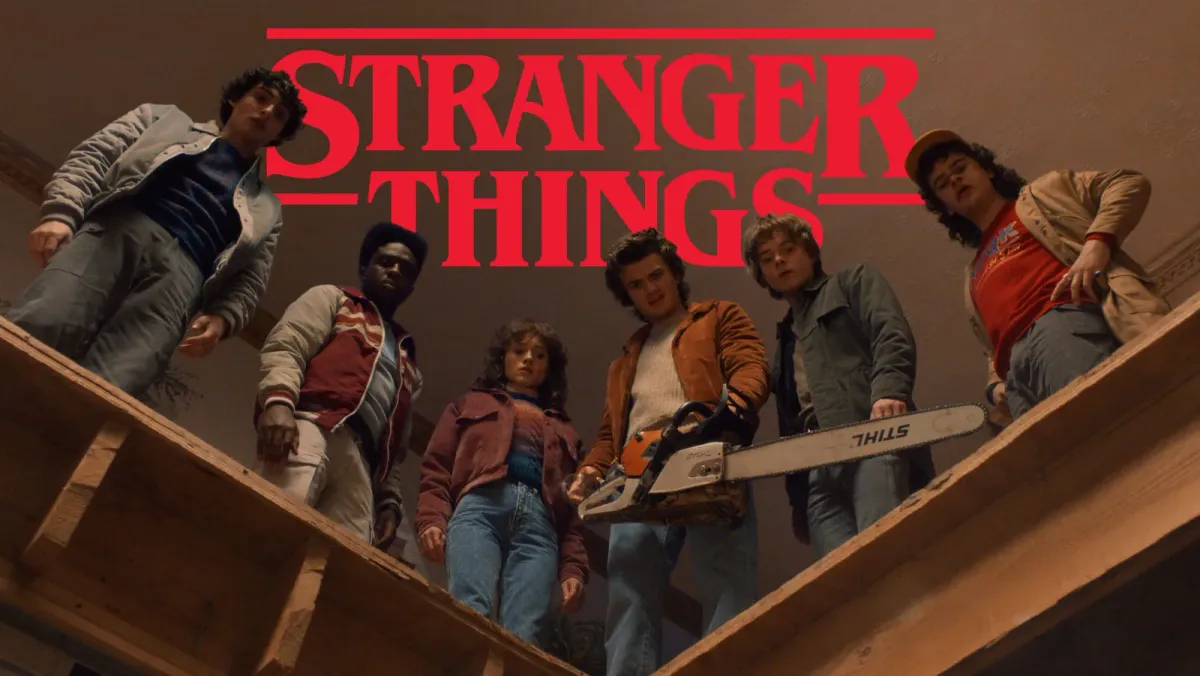
Editor's Note: In perhaps one of my most anticipated pieces of the year, I have called upon one of our earliest contributors, and Stranger Things expert, Nor García Grau, to break down what happened with ~that finale, and why fans of the Duffer Brothers' opus now feel left out in the cold
WARNING: SPOILERS AHEAD
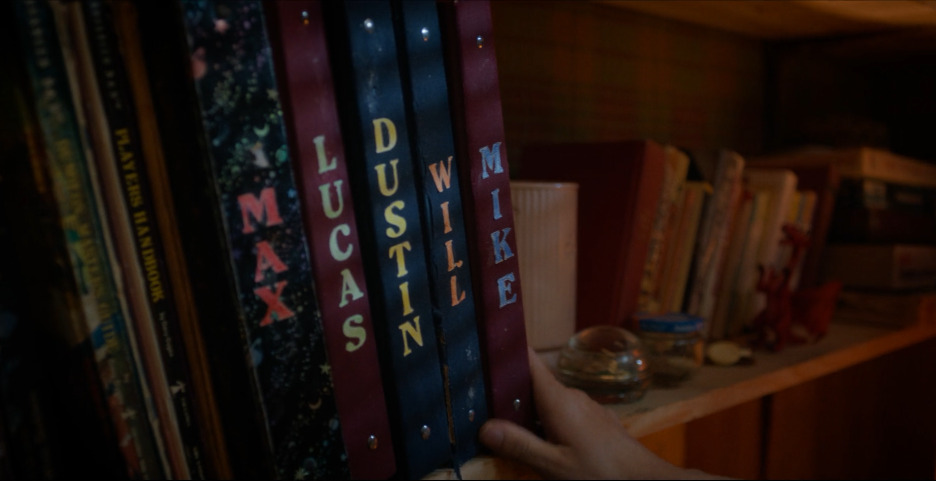
Stranger Things is a story about outcasts. This was the premise from the very first scene of the show, where four friends played DND together – a game that nowadays is gaining some traction, although still seen as nerdy, but back in the ‘80s was believed to be straight up satanic – and confirmed when we witness how they are bullied by their peers at school.
Virtually every character that has been part of the main cast throughout the 5 seasons has been treated as a ‘loser’ or a ‘weirdo’ by society in some shape way or form, and the few exceptions (looking at you Hopper and Steve) are ‘cool’ people that have popped their bubble of privilege and realized that the world really was at stake, and that to save the day it was necessary for everyone to work together.
It was therefore inevitable that queer audiences would resonate with this group of outcasts, and that the writing ended up including cannonly queer characters to bring valuable representation to this marginalized community, with all the added complexity and nuance of being a part of it during the ‘80s – the latter decade of the AIDS epidemic – in the rural American town of Hawkins, Indiana.
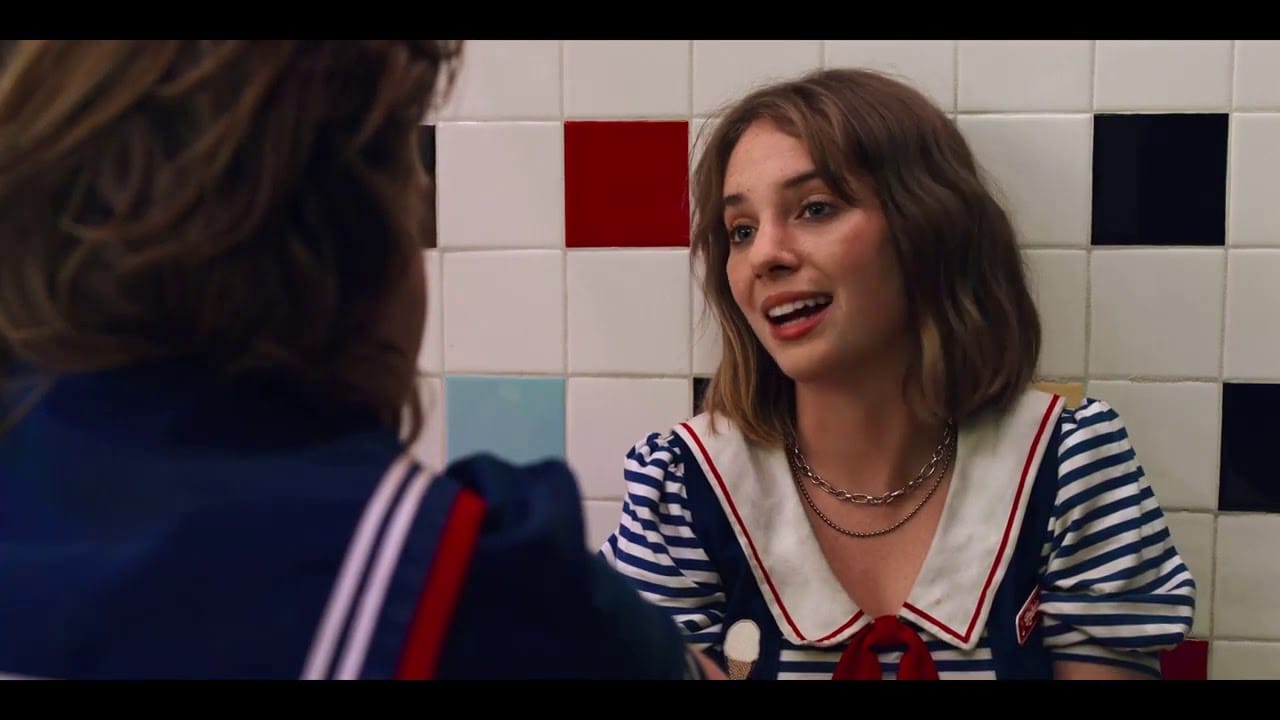
Our first cannonly queer character, Robin (played by Maya Hawke) came out to the audience and #1 Ally Steve (Joe Keery) back in Season 3 in what is probably one of the best written coming out scenes of all film & TV history. This happens under the influence of a truth serum given to them by Russian spies, which causes the iconic duo to fall into a giggling fit, failing to process the probable impending doom in the bathroom of the mall they’ve been working at all summer, and now inevitably bonded for life by the shared trauma of their circumstances.
It is in this emotionally vulnerable state that Robin reveals to Steve that she used to have a crush on a girl in their class, but that before she could even fully accept her own feelings – let alone consider confessing – the girl was whisked away by Steve’s wonderful hair. Our beloved himbo, bless his heart, is confused at first – partially because of the drugs, and partially because he’s never met a queer person before. But when he realizes what’s happening, he is welcoming and inviting.
Season 1 Steve Harrington may or may not have made an unfortunate bordering-on-homophobic comment stemming from ignorance. But after three seasons of babysitting a bunch of outcast kids and learning that magic powers are real, he knows that anything is possible and, most importantly, worthy of love and acceptance.
This scene has been reported by various queer people to have been fundamental to their own self acceptance, as well as being a valuable ice breaker to start this complicated conversation with their loved ones. As Maya Hawke herself stated in an interview, to have queer representation in a mainstream show that many families fell into the habit of watching together is already heartwarming enough. But for it to be present in a show that is not necessarily centered on queerness in the first place, helping to normalize it instead of making it a spectacle? That’s the cherry on top.
When Season 4 rolled around, the representation only grew. Robin, now embracing her queerness – although still keeping it mostly to herself; I can’t emphasize enough that this is ‘80s rural America we’re talking about – is able to talk about it casually with a supportive Steve, and manages to start flirting with a girl named Vickey (Amybeth McNulty) by the end of the season.
But that’s not all. After three seasons of intentional queer coding, in Season 4 Will Byers (Noah Schnapp) is confirmed to be gay and in love with his best friend, Mike Wheeler (Finn Wolfhard). Although these characters were unfortunate enough to end up in a very random side plot up in California, Will’s struggle with accepting his (presumed) unreciprocated feelings for his best friend is treated with the utmost respect and understanding, adding tension to the two boys’ relationship ever since the Byers family moved away from Hawkins at the end of Season 3. Stolen glances, tense discussions and words left unsaid fill their dialogues together, culminating in the iconic van scene where Will indirectly confesses to Mike while hiding behind the latter’s relationship to Eleven (Millie Bobby Brown), emphasizing that ‘she’ loves Mike so very much, and needs him by ‘her’ side during these trying times.
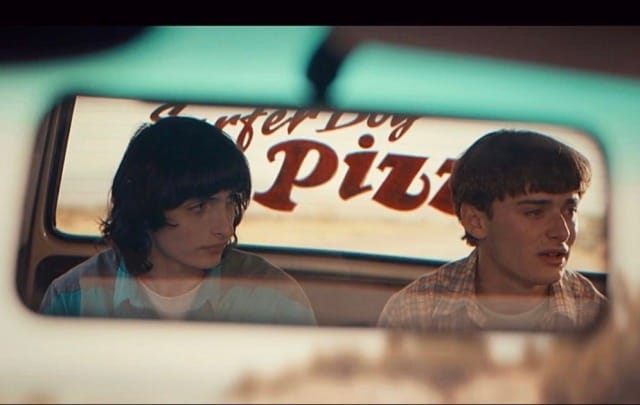
Although Mike seems to be an oblivious buffoon in this scene, and consequently grew to be greatly disliked by the fandom as a whole, there was a group of fans – myself included – who saw something more. Most of these scenes were clearly written and filmed from Will’s perspective, but if one paid attention, it was clear that something was off.
During a discussion in the Rink-O-Mania where Will accuses Mike of growing distant from him for no reason, the other retorts: “We’re friends. We’re friends.”
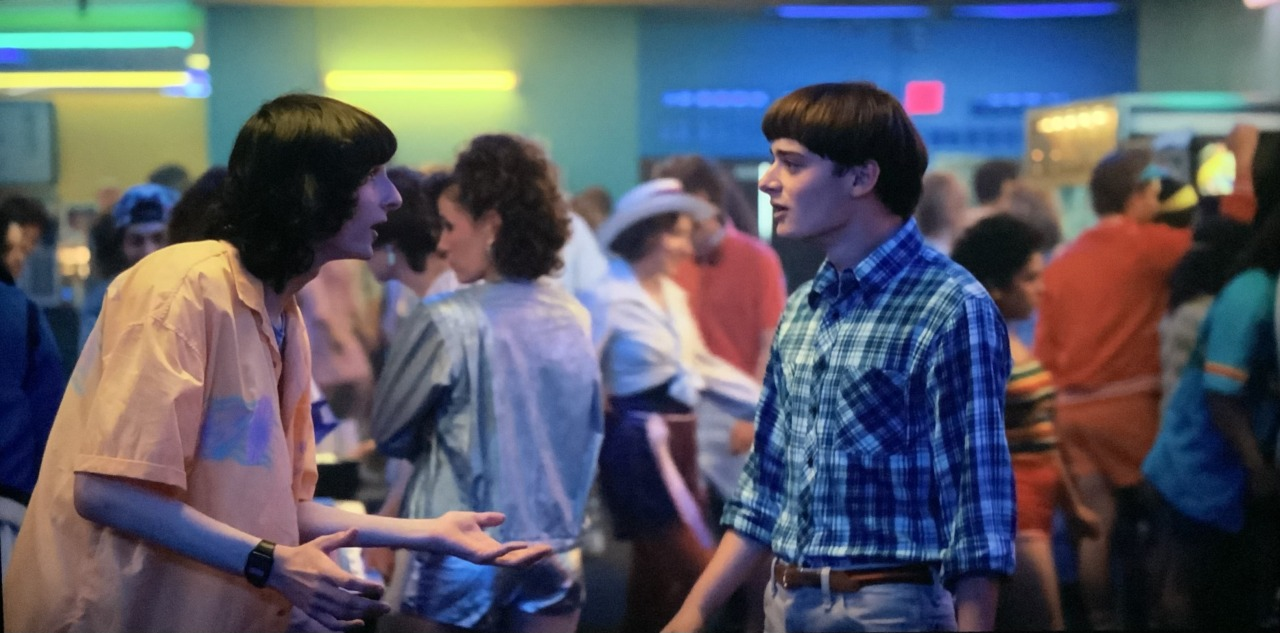
If actively putting on our queer subtext glasses, one can’t help but recall the other big fight between these two characters back in Season 3, where a (once again) hurt Will finally lashes out at Mike, accusing him of prioritising his relationship with his girlfriend instead of their friendship; Mike responds with: “It’s not my fault you don’t like girls!”
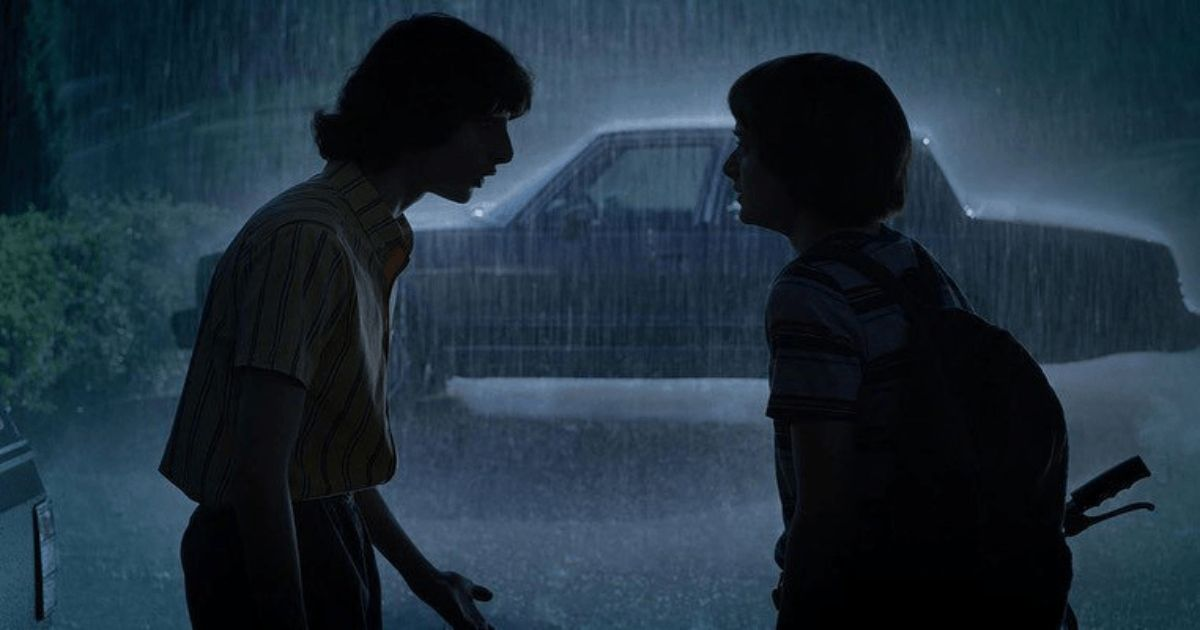
At the time, Will’s character was not explicitly confirmed as queer yet. But there were many signs, which were ultimately confirmed in the following season, showing an organic growth of the character as he slowly started to learn more about himself.
It’s also worth noting that in both of these discussions, Mike is the one to always bring up the concept of romantic vs platonic feelings, when in reality what Will is demanding an answer for has nothing to do with the difference between those two. In Season 3’s fight in the rain scene, he doesn’t know or even suspect he might be gay yet – all he’s doing is pointing out that Mike is growing distant from him.
So why does Mike always jump to assume that Will is possibly questioning the nature of their relationship? Why does he make a disgusted face during his line in Season 3, as if he’s seen others make these homophobic-in-tone statements before? Why does he stare at him in the van scene and doesn’t say anything, even when it’s obvious that Will is crying? (Not to mention the fact that his character has always been stated to be the one that understands Will the most, which means he should know how to read him when he’s lying from a mile away?) Why is he always staring at Will’s lips in every goddamn conversation they have together?
The obvious answer: Mike likes Will back, and is struggling with internalized homophobia.
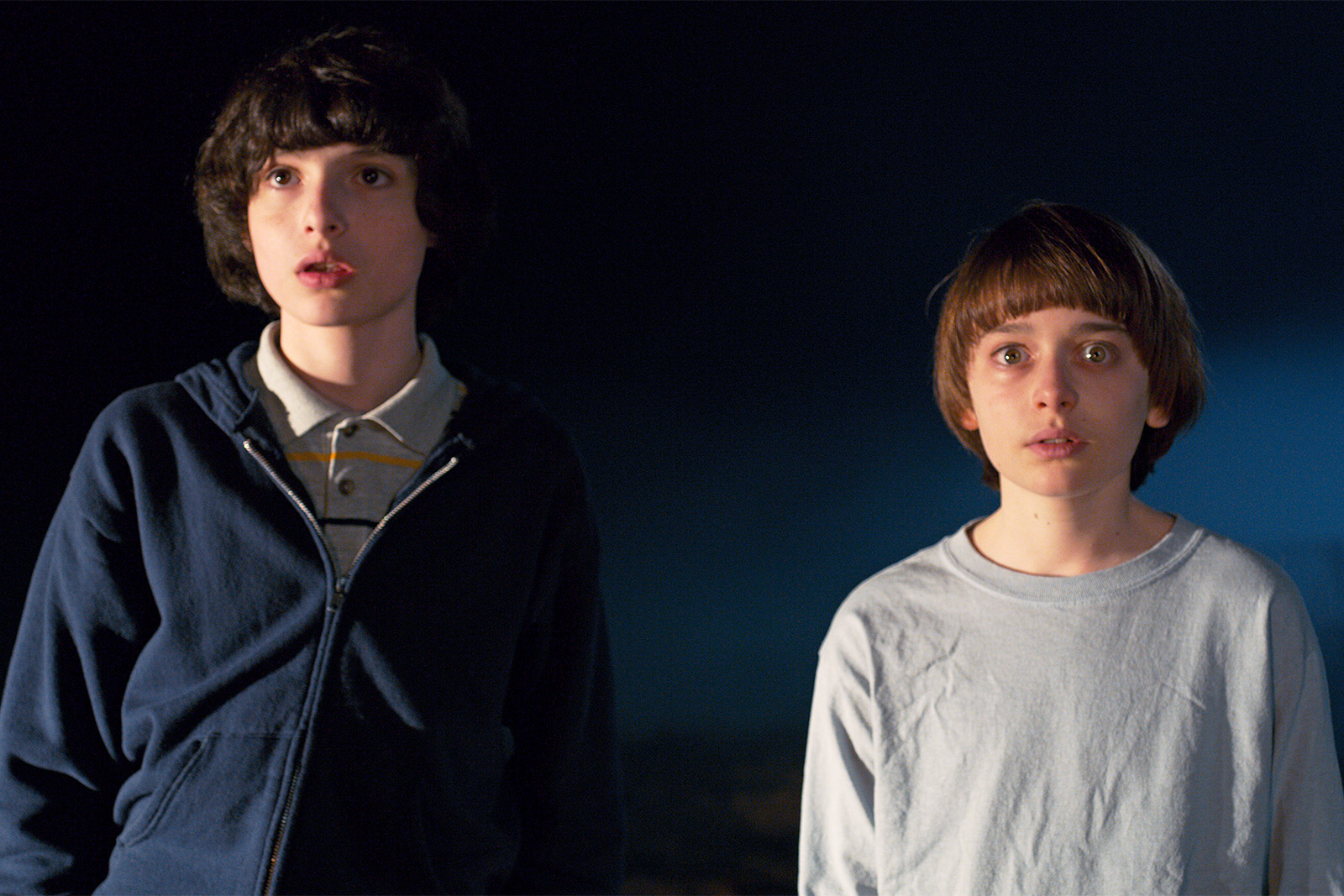
Re-watching the show (or watching compilations on YouTube) makes this theory only more obvious. It seems like every scene that Mike and Will have together shows a special bond that, although doesn’t necessarily have to be romantic, considering that on one side it already is, makes Mike’s defensiveness come off as repression of his own feelings. The main counter argument to this theory is ‘why would Mike be dating El if he has feelings for his best friend instead’ – but considering that she literally took Will’s spot in the party during Season 1, and the fact that compulsory heterosexuality is a thing, it doesn’t take much to put two and two together.
(Not to mention that Mike seems to have chosen the one girl in his environment who doesn’t even understand romance in the first place. She was raised isolated from society and used as a guinea pig, which from her point of view makes her interest in the relationship also questionable as to whether she actually feels genuine romantic attraction for him, or if it’s merely her following along the social norms she is slowly growing to mimic and learn even when she doesn’t fully understand them).
This also explains why Mike’s relationship with El undergoes significant struggles throughout Season 3 – El’s iconic line “I dump your ass” being followed by her giggling, once again showing that she doesn’t really understand the impact of this moment – and Season 4, where she confronts Mike’s inability to tell her that he loves her. An inability we never get an answer for even after the show has ended, by the way.
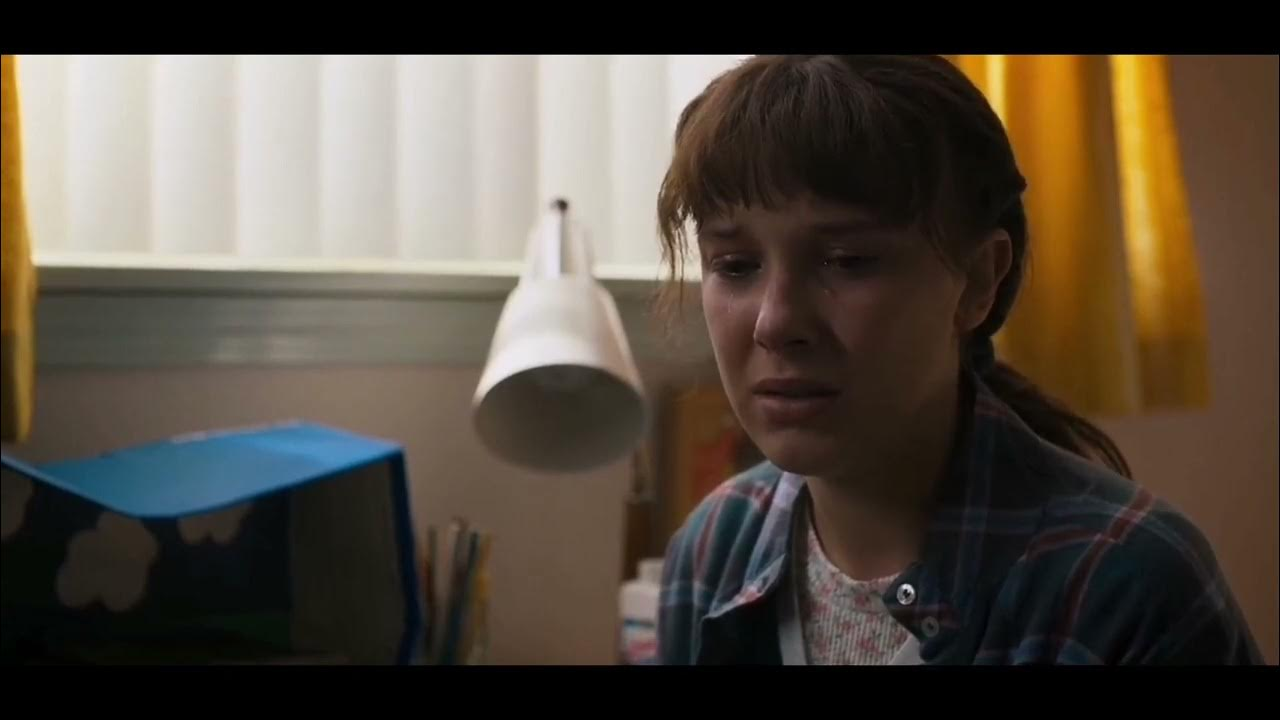
Mike Wheeler was originally presented to us as an incredibly loving and caring friend who, even when the entire town had given up on Will, fiercely continued to believe that he was still alive. (Although it is in big part thanks to El that Will is returned to Hawkins by the end of the first season, I believe that without Mike’s unwavering faith this never would have happened).
Throughout Season 2 he continues to show this affectionate nature that earns him the title of ‘the heart’ of the party, but starting Season 3 the general audience started to heavily dislike his character. His friends were mad at him because he was prioritizing his girlfriend, and his girlfriend was mad because he wasn’t investing enough in their relationship. Although seemingly a contradiction that may hint to bad writing, those of us who jumped onto the Byler (ship name for Will and Mike) bandwagon were firm in our beliefs that this was clear evidence of Mike struggling with internalized homophobia, and I personally clung onto my trust in the Duffer Brothers to deliver a nuanced exploration of this topic in Season 5 to produce one of the best written queer characters in television history.
Instead, we were queerbaited.
The first Volume of Stranger Things’ fifth and final season was received with the same enthusiasm and hype that emanated from the fandom in the years that it took for its release. Although some plot lines were weaker than others, it managed to end on the insane high note of Will developing superpowers in a critical moment for his character’s development: his acceptance of his own queerness.
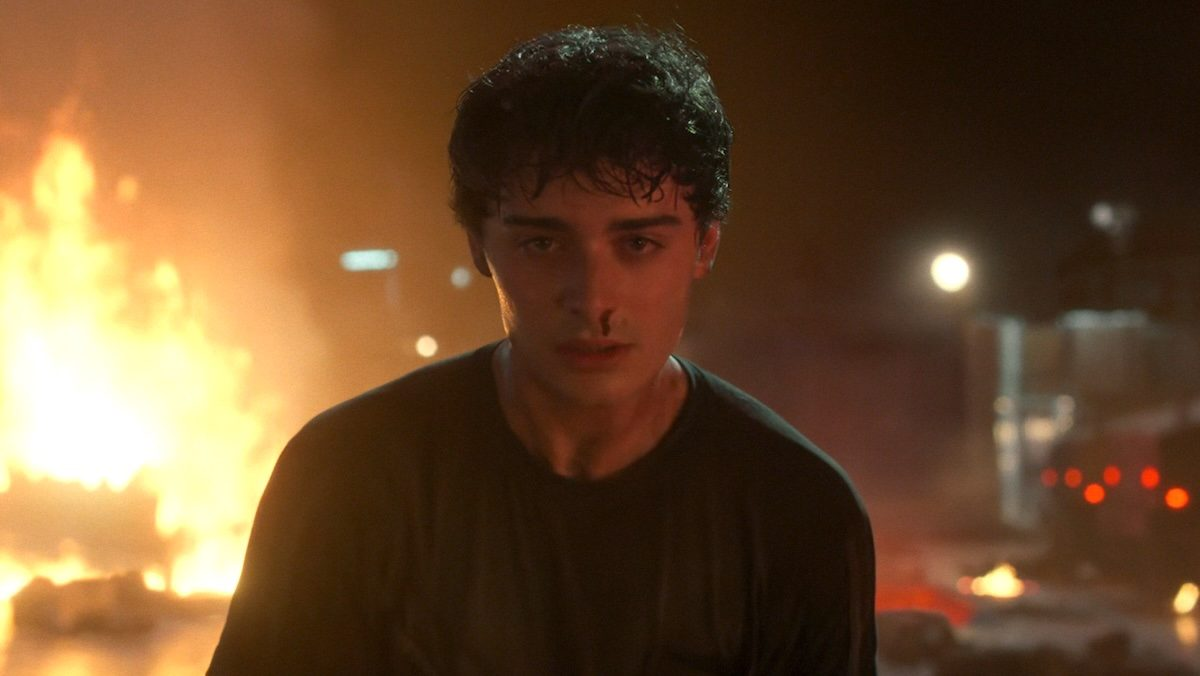
The iconic monologue from Robin during this first volume – discussing how accepting oneself has to do with your actual individual self and not the people around you – was one of the most brilliantly written scenes of the entire show. Around the world countless queer viewers began to edit videos of themselves parallel to the one of Will’s moment of acceptance, with Robin’s speech narrating this uniting experience.
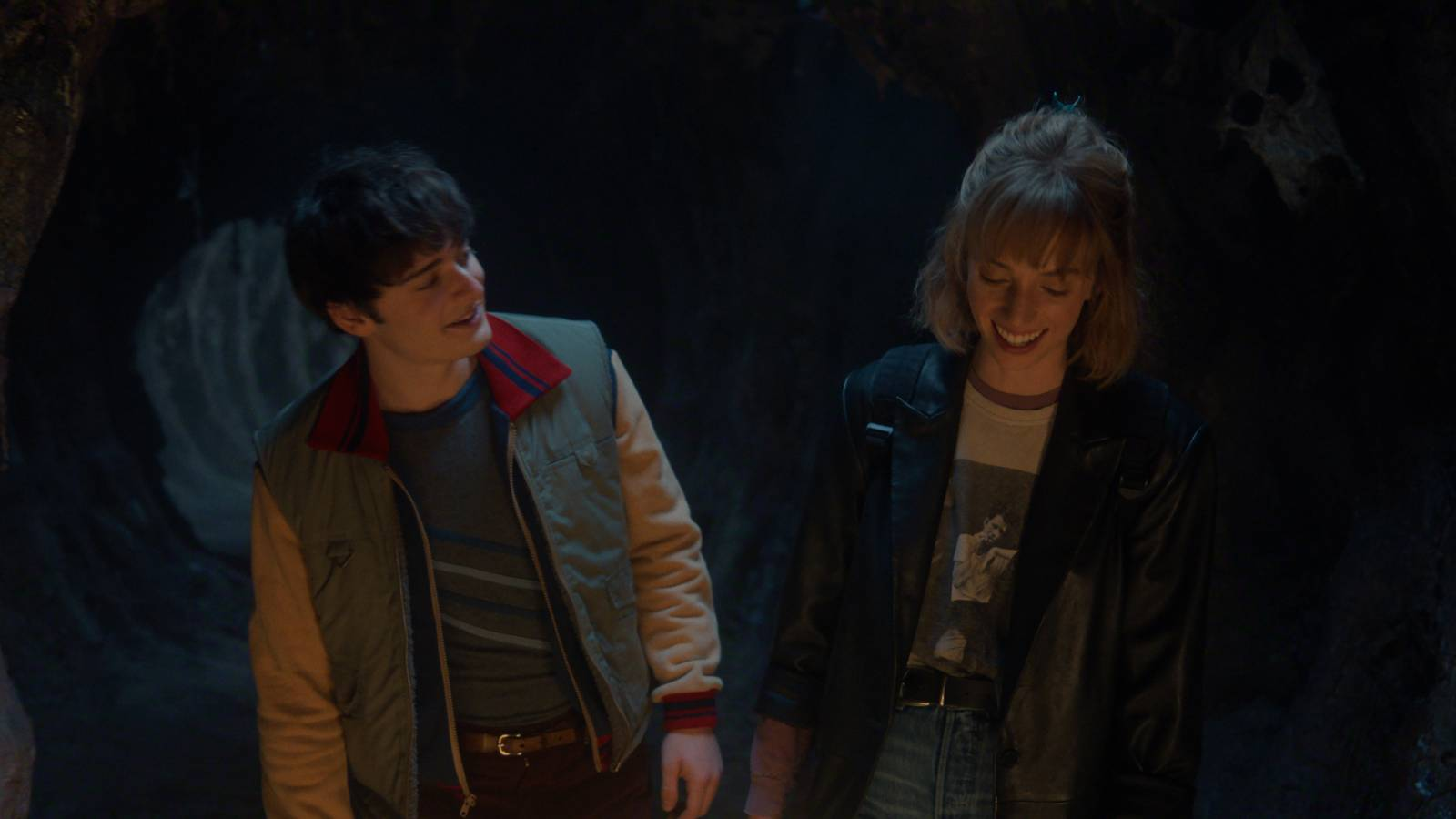
So, one half of Byler was ready. Now, we waited expectantly for the other half.
And got slapped across the face.
Volume 2’s ending managed to somehow be the polar opposite of the first one in every way. The writing plummeted so far that, despite the Duffer Brothers having proved once before that they could nail a coming out scene (with aforementioned Robin in Season 3), this time they made one of the most unrealistic, offensive and harmful scenes I’ve ever seen.
Everything from the placement and timing of this scene (the characters are supposed to be in a rush to start their final plan to defeat Vecna) to the actual words spoken was disappointing beyond repair. What should’ve been a big emotional moment for Will’s character, finally coming out after accepting himself at the end of the first volume, instead became a shit show.
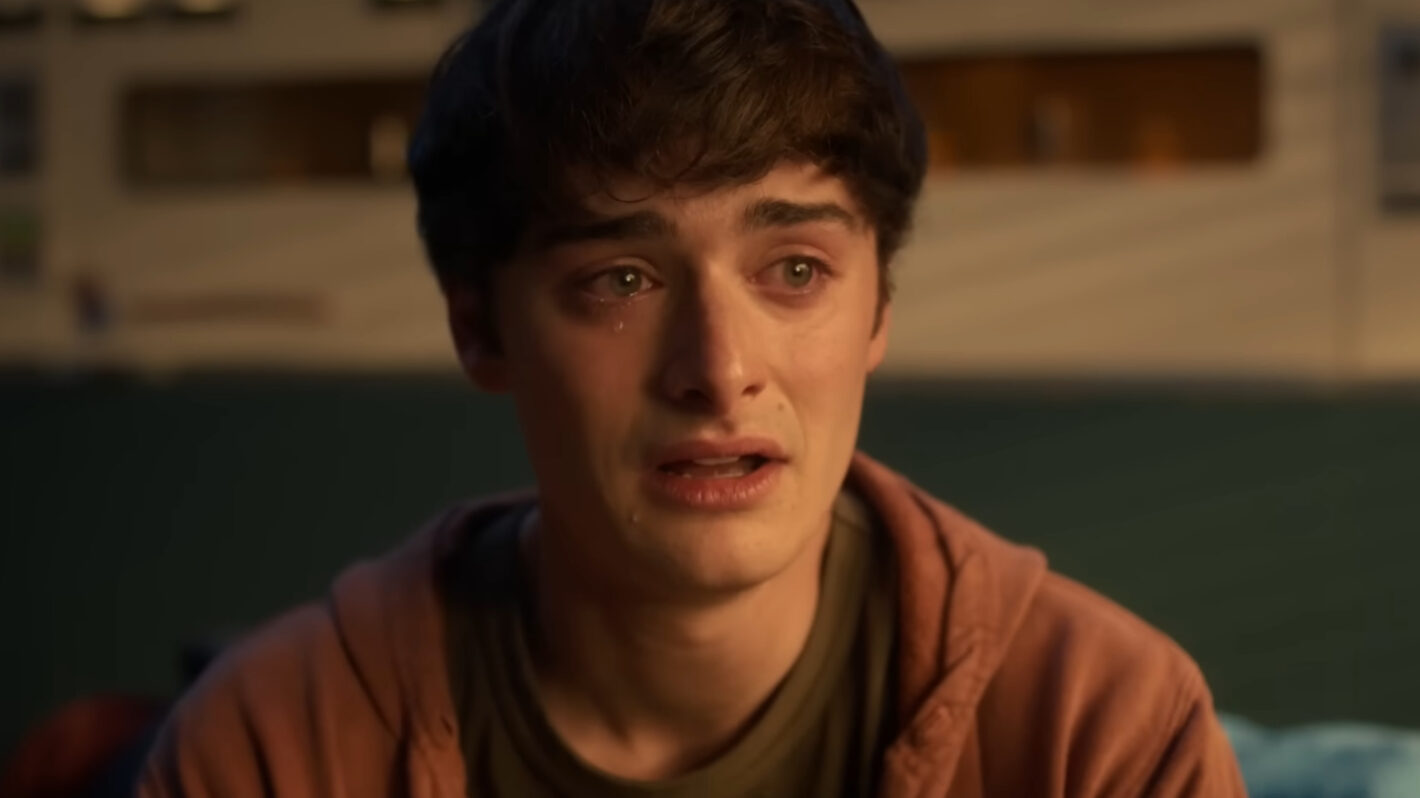
For some reason, the Duffer Brothers intend for me to believe that this teenage boy living in ‘80s rural America during the AIDS epidemic decided to come out to a group of almost 20 people, most of whom he is not that close with, including some who are literally complete strangers to him.
Immediately, the queer audience started panicking, and with good reason. The homophobic side of the general audience started making fun of this scene, pointing out the absurdity of it and allowing this to reinforce their beliefs that queer people are attention seeking.
And suddenly, it seemed Byler might not happen. Because although Will doesn’t clarify who it is he’s talking about, he says that there was someone he used to have a crush on, but that it was just a passing fancy.
I continued to believe that Byler would still happen. I was worried because I didn’t understand how the Duffer Brother’s intended to resolve three seasons worth of internalized homophobia in Mike’s character arc over the course of a final episode with a run time of only two hours, but I hoped that even if the pacing was bad, at least it would actually happen.
It didn’t. Mike and Will have one (1) private conversation after Will’s coming out scene (which, by the way, Noah Schnapp had to fight the Duffer Brothers to write in the first place), and in it Mike gives a badly written, flimsy apology for ‘not being there for Will’, which ends with the horrid line from Mike: “Friends? No, thanks. Best friends.”
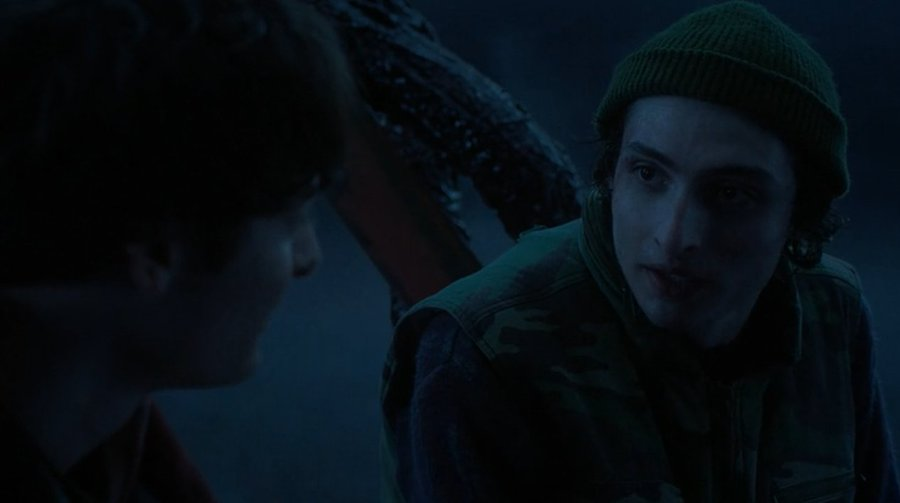
The topic is never again addressed for the rest of the show.
Not only that, but when El says goodbye to Mike, a romanticized montage of them and their relationship fills the screen despite the fact that these characters have not had any chemistry whatsoever in the last two seasons, not to mention the fact they were barely in each other’s presence at all during the final one.
The Duffer Brothers intend for us to believe that, after all, Mike and Eleven were deeply in love, Mike is and always was straight, and Will had a crush on him once but he’s over it now.
This is, pardon my French, bullshit.
Aside from any personal attachment to Byler as a ship, speaking as a writer myself, the main reason Mike having internalized homophobia made so much sense to me is that it explained everything about his attitude throughout Seasons 3-5. Because otherwise, what on Earth made Mike suddenly become a horrible friend and lover?
In real life, sometimes people act in contradicting ways and we never get an explanation. But in fiction, the whole point is being able to access the character’s psyche and understand the reasons for why they do the things they do, even if we don’t agree with them. But it seems that Stranger Things decided to not provide any explanation for Mike’s behavior whatsoever, and we’re supposed to just act as if it never happened.
Not only does this harm the story of a show that, aside from Byler, had an incredibly underwhelming and disappointing ending. It also actively harms the queer community in a critical time in which queer rights are being attacked.
There are too many details and key moments in the show that very actively utilized a language of queer coding with a rich history, and I refuse to believe it was all coincidence. The Duffer Brothers knew what they were doing. Which leaves only two options: either they chickened out at the last minute despite building it up this entire time (either by their own choice or being pressured on Netflix’s end), or they really are this dense – in which case, get them out of the writing room.
If we start to perceive all acts of harm towards others as ‘unintentional accidents’, we risk diminishing the harm that is being done. And this is not the time for vague and empty promises. I personally don’t believe in the idea that only queer artists should explore queer topics, but if one (or two) is not informed enough on the topic to deliver, then they shouldn’t have tried to dive in the first place.
It’s probably evident from this article that this topic touched a nerve with me. I find myself genuinely grieving and enraged at having to continue witnessing a practice such as queerbaiting when we were supposed to be past it by now. I mean, really. Magic powers and interdimensional monsters exist in Stranger Things; next to that, how is a gay couple unrealistic?
But in the meantime, while we wait for the big studios and streaming platforms to realize that we are over one quarter into this century, and that queerbaiting is a practice that should be ancient by now, it is important to remember the concept of The Death of the Author by Roland Barthes. Art is not the original intentions of the author, but is instead what is reflected on the screen and what we take away from it.
And just because the show ended with an epilogue in 1989, it doesn’t mean the characters don’t live on. Just like we do.