The Hijra & Trans Dignity in the Short Doc, 'Body of Our Own' (+Transcript) | Sophisticulture at BFI Flare 2026
Sophisticulture is a podcast for people who care a lot about stories and storytellers, and can be found on all major Podcast platforms.


Did a friend forward this to you? Subscribe to OBSCURAE here, for free...
Transcript of the interview included below!
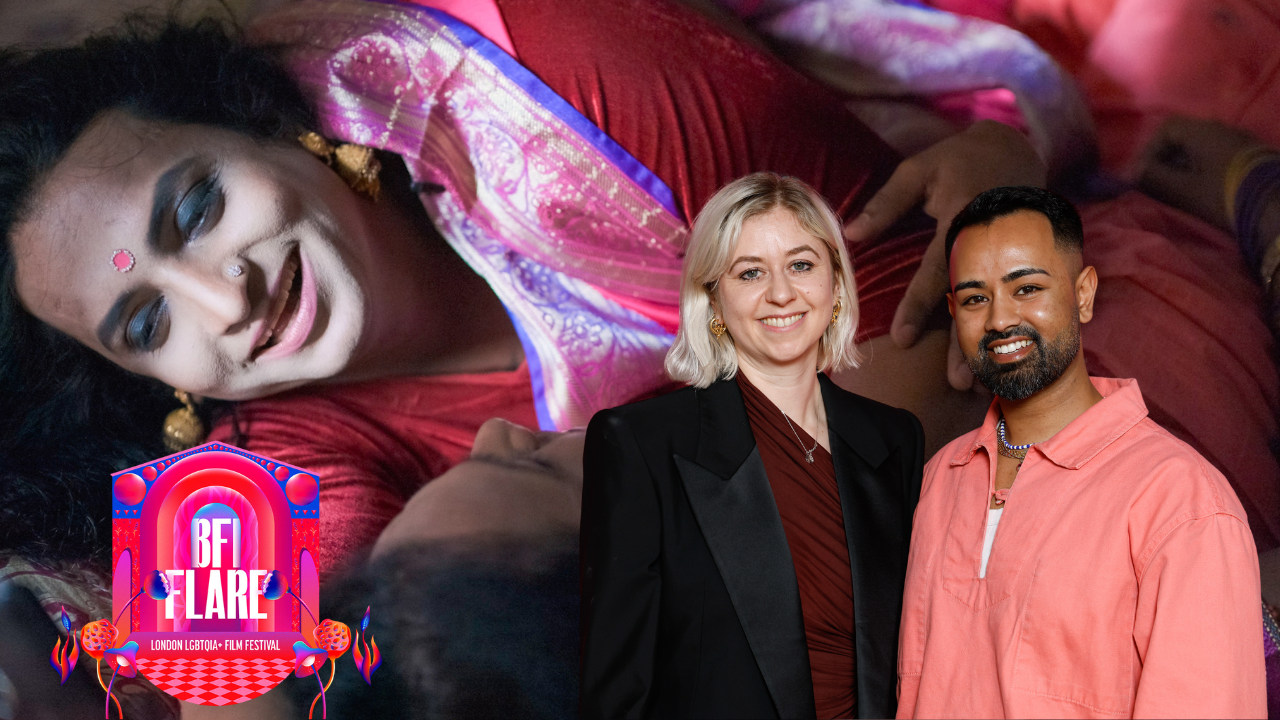
Holly Perring speaks to filmmakers Rahemur Rahman and Lily Vetch about their short documentary, Body of Our Own, as it screens at BFI Flare. From Holly's review of the film, "[It] follows three Hijra transgender women, Momo, Neshi, and Jannat, who each live unique lives yet are bound by their resilience and sense of self. It is shot intimately, allowing the three women to take the lead in discussing everyday lives, deepest aspirations, and everything in between."


Q - This film has been seven years in the making - how did you evolve as filmmakers, your perspective on the topic, the way you capture and prioritize a message?
Lily: This has been the most powerful film I’ve ever made. It taught me how to respect the ethics of filmmaking and how to collaborate with new ideas and film in new ways. I have evolved as a filmmaker, but the intentions behind the shot have always been the same.
Rahemeur: I started as a fashion designer, with no formal qualifications in film, so this project really made me believe I am a filmmaker. It taught me the art of continuous collaboration, how to figure out a process, and the power of ethical filmmaking. Fashion is known for worldbuilding and storytelling, but also the importance of ethics in fashion - it felt natural to critique film in a different way. The film evolved with us.
Q : The short documentary explores the balance between freedom of expression and the fight to be recognised - this involves levels of vulnerability necessary, how do you navigate this with Momo, Neshi, Jannat?
Rahemeur: We had always critiqued filmmaking around queer/south asian communities from a Western lens. A lot of care isn't always given; the guidelines are strict and make for a colder interaction. Once you see someone's heart, there is a genuine connection, trust, and love that comes across on screen. By immersing ourselves in their lives, they were receptive to our work and we to them. The connection felt like “being with girlfriends”. We challenged ourselves with the ethics of filmmaking, and this demonstrated that it is possible to protect all the subjects of a documentary and make a successful film.
Lily: We haven't had formal training, and this meant we didn't have any formal structures in place, allowing for our independence to work with the film. There were no thoughts of "you must shoot this, or you can't do this," which gave us more freedom to create the right film. We didn’t invade space; we were allowed in, and we simply built a genuine, real connection that allowed us to bring this casual tone to the documentary.
Q: What did this topic teach you about the trans community in South Asia, and why did it demonstrate the importance of being educated?
Rahemeur: The concept of the film was born from an altercation where I was robbed by Hijra transwomen in South Asia. Over the past seven years, we have seen trans law and protection decreasing. South Asia is known for pioneering trans culture -it is ingrained in history and culture, documented in painting and performance, and now it is being redefined to strict ideas. There is a balance between modernity and heritage, and this film recognises the fight to move forward and the restraints holding it back. We hope people see the humanity of the trans person and find themselves a little. It looks as if trans legislation is only weakening, and it is our jobs as filmmakers, journalists, and media to push the world forward, not just within our echo chamber, but to educate everyone.
Lily: Having not grown up in South Asia, I was unaware of myths or stereotypes. I came in raw and open. There was no judgment, and there was a friendship built. Coming from a sheltered background in the countryside, it was amazing to build this understanding from the ground up. I felt very lucky to have this firsthand experience that taught me so much about a new community.
Q: One of the first points made in the film was “visibility doesnt equal safety” - what do you want the audience to understand from this?
Rahemeur: This film has been edited to be more human, to lead people into questions that promote education and a desire to discover more. Hoping a lived experience of the women navigating very human issues shows that we all have similar dreams and helps the audience find a bit of themselves in the women. I found healing around these women, and from living life with them i found a new sense of community, passion and drive.
Q : With the rise of a digital age becoming more evident, how do you see this shaping the image and the lives of marginalised communities?
Lily: You are seeing these pockets into rural areas of India, stars that go viral for singing and dancing, and gain this huge exposure from just using their phone for documentation. I feel the Hijra community uses this to combat their stigmas and assimilate into the modern world. People can be negative about social media, but in this way, I'm glad to see social mobility happening, giving more people voices to say what they want and do what they want in the world. It draws attention to the community, and with the rise of the far right, they use social media for clips to warp and evidence empty points. I am happy to see different people coming to the forefront.
Rahemeur: Hijra have always lived in a hierarchical system, but with the globalization of social media, they are given access to money and influence, which they keep for themselves. Some are moving into politics, becoming ambassadors, and they are all welcomed to a playing field of how their lives are dictated. I discovered “hijratok” and found they’re amassing millions of views. They now have a say in how their lives play out, and who in today's world isn't trying to establish themselves in media?
Q.Momo finds herself, her element, and her meaning through performance - how does this function to protect and empower who she is?
Rahemeur: The wide spectrum of the arts within the Hijra community is well documented. That history of dance, percussion movement is integral to how they live when aligned with Hijra culture. That same camaraderie of music and dance is there, but it has evolved to find its place in a modern era. It's exciting to see how fast this can change, and question how the youth will take these fragments of history and develop them into modern ideas and traditions. We need to value the trans community highly.
Q: What kind of world do you hope this film makes possible?
Lily: In the Hijra community, you are either a performer or fall into Hijragiri, where they complete traditional roles such as blessing babies, and I would love to see these categories become less defined, allowing them to go to university and have any career they want. I found in Bangladesh there was a tax cut for companies who hired Hijra women but their intelligence and ability was under utilised. They were getting jobs as cleaners, dismissed simply because of the stigma around the culture. I would love to see these women moving up, and those who aren't as talented singers or dancers being able to achieve their own goals.
Rahemeur : I hope this changes what films are funded. This film has been funded by community, but i wish broadcasters anbd streamign platforms saw taking on queer/south asian/trans stories not as a risk but an opportunity. They need to take the risk to commission these films. The world doesn’t need another Shakespeare adaptation; it needs real, raw stories.