The Last Guest Of The Holloway Motel: Powell's Journey Back Home | BFI Flare 2026

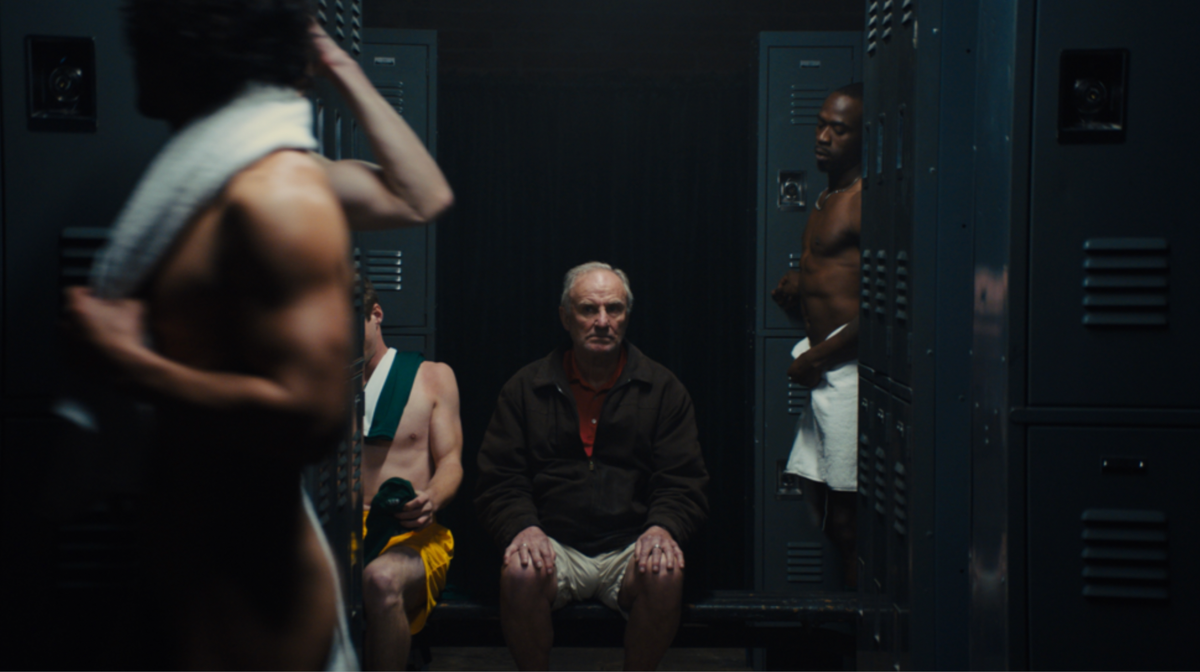
I love the classic style of a documentary - expert interviews, a linear narrative, and handheld shots so as not to interrupt the reality unfolding. It allows the reel to feel familiar and simple enough to work with. The Last Guest of the Holloway Motel carries out this style perfectly, and with work from all angles, provides a beautifully nuanced story.
This documentary was created by chance - the directors (Ramiel Petros and Nicholas Freeman) happened to cross over to this rundown motel in West Hollywood, and the old man on the balcony was none other than Tony Powell. A football star of the 1970s, Powell had a brief moment in the spotlight before promptly vanishing into thin air - cutting off all ties to his home in England. This documentary rediscovers Tony Powell and tells the tender story of a gay man who felt forced to hide, exploring the joys and pains of his past and the possibility of reconciliation in his future.
Tony Powell himself is the driving force behind the narrative, and the directors work to bring up parts of his life he has clearly tried to forget. He paints the memory of a love lost too soon and the friends he has gained along the way, exploring the complexities of his life. It is an aching story of a man forced to make mistakes and difficult decisions - leaving behind his daughters with no explanation and hiding from the flash of the press. The beauty of this documentary is its delicate approach; while it works to avoid glorifying Powell's choices, it provides reason for sympathy and understanding.
The highlight of this documentary is the path it blazes for forgiveness and reconnection. Powell resists out of hesitation and understandable fear, but by the end, he has overcome significant milestones; he returned to visit his siblings and even called his estranged daughters (and even a surprise son!). The strength here lies in the reality of the situation; it is not easy, and the documentary doesn't pretend otherwise. There is struggle and denial and a desire to shut down from Powell, but the gentle progression shows both growth and healing.
Additionally, this demonstrates how fear can hinder our relationships, but only if we let it. Powell's hidden sexuality was an obstacle in building connections, but in this, we see the power of openness. If we show those we love exactly who we are, we give them the opportunity to accept. We give them a chance to be forward-thinking and prioritize love over a culture of discrimination. This documentary shows that being seen is always possible - even if it takes 40 years of hiding to be ready to change that fate.