
Spain, 2026. Los Javis’ newest film, La bola negra (2026), becomes an instant success both nationally and internationally. I reflect on the state of contemporary queer cinema and wonder how come all the biggest international Spanish film directors (Almodóvar, Amenábar, and now Ambrossi & Calvo) happen to all be cis gay men. (Not complaining, I prefer that rather than allo-cis-het men. Just an interesting coincidence.)
But unfortunately it’s not all blue waves and rainbows. While the unapologetically openly queer La bola negra has taken the country by storm, censorship in the Spanish film industry has simultaneously planted the first seeds for its reappearance over in Castilla y León, where grants will no longer be given to films who ‘promote’ left wing ideology. Devastating news, among other things, for queer cinema – especially since Spain has elections at the end of November and the polls say the right and far right have frightfully high chances of winning.
Scary times. But Spain has been through such times before, and queer cinema found a way to persevere. Following Los Javis’ example, perhaps now more than ever it is time to revisit our country’s history to see what we can learn.
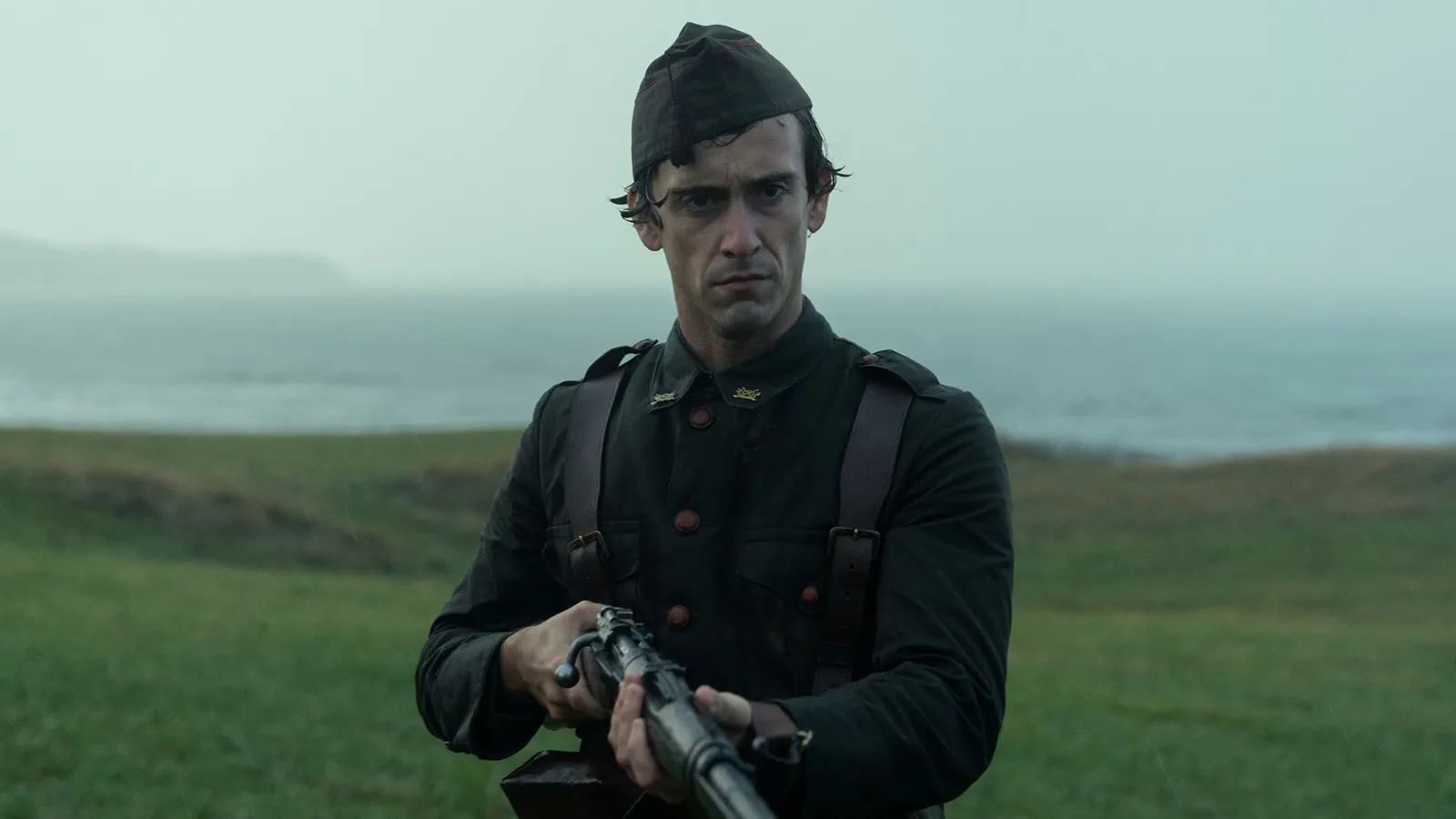
Spain, 1939. After three years of Civil War, the fascist side is victorious and Francisco Franco’s dictatorship is underway. So begins a time of hyper control and censorship nation-wide, spanning everything including the film industry…
Well, actually, the new Censorship Cabinet established in Sevilla and La Coruña began during the Civil War, in march of 1937. In fact, film as a means of propaganda in Spain really started hand in hand with the Civil War itself – as before then the Republican Government didn’t seem to care much for promoting the production of films discussing 'very political' themes, and a war is as good a time as any to finally hop on the bandwagon. The Spanish Civil War became an internationally renowned topic for filmmaking, spewing propaganda globally on both sides: the Republicans trying to warn against the dangers of fascism, while the francoists spent their time warning that the Republicans were threatening Spain – and Europe – with dangerous communism.
But things really got bad when the dictatorship officially began. Multiple forms of censorship were established in the film industry, from needing to get scripts approved before you could even start production, mandatory dubbing of foreign films, and needing official permits for importing and exporting films to and from Spain.
What's interesting about the Spanish censorship in contrast to, for example, the Hays Code in the US, is that until 1963 there weren't any official clear guidelines for what exactly was and wasn’t censored. This meant that the Censorship got away with being completely arbitrary at times, censoring something one day and ignoring it the next.
Which explains why there are so many curious cases of films that feel like they certainly went against the regime’s ideology that somehow still managed to get screened in theatres. Granted, there were also systems of rating films that, even if already produced and distributed, could mess with their success and their creators’ reputation – but generally speaking it’s still quite shocking some of these films got to see the light of day at all, considering that nazi practices such as straight up destroying films were also very much happening.
One of the topics systematically censored was, unsurprisingly, queerness. And yet, there are a few cases spanning between 1939 (the beginning of the dictatorship) and 1975 (Franco’s literal, and consequently the dictatorship’s metaphorical, death), of undeniably queer films that still managed to pave way during these trying times...
[SPOILER WARNING: for the purpose of this article I have analyzed in great detail the plots of the three films discussed, including their endings. If you'd rather watch them first and then come back to finish reading, be my guest!]
Diferente (1962)
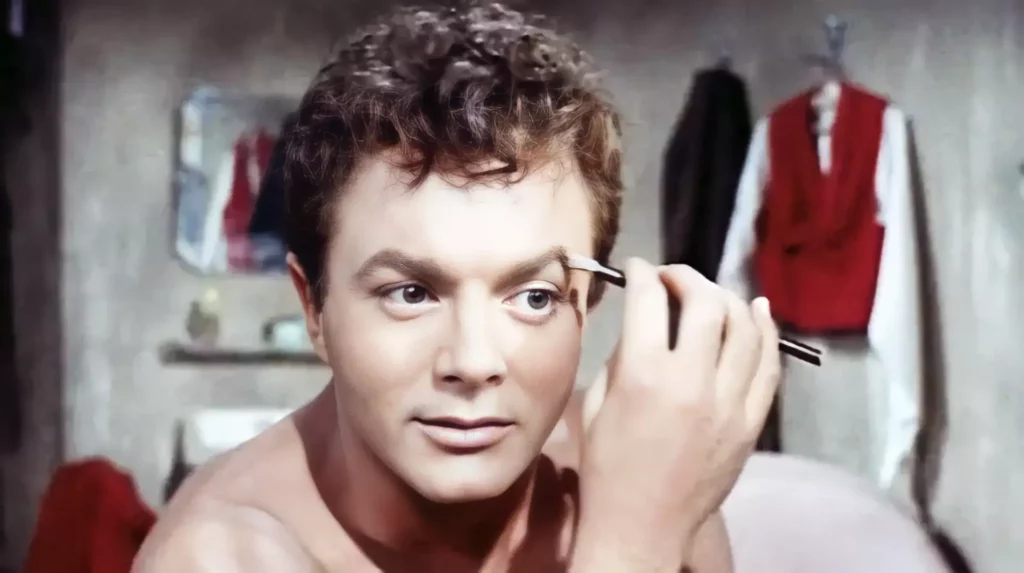
Although Luis María Delgado’s 1962 film – the title of which literally translates to ‘Different’ – never actually utters the word ‘gay’, it does quite literally everything else in its power to tell the story of a flamboyant probably-definitely homosexual man called Alfredo, who is in love with theatre and dance against the wishes of his bourgeois family members who disapprove of his ‘lifestyle’.
At first, Alfredo yields to the social pressure of it all, accepting an office job in the family’s Real Estate company as he tries to be the man his family wants him to be. But eventually it becomes impossible for him to deny his nature and, when he tries to merge his two worlds together by introducing performance art into the office environment, his brother accuses him of being useless and ‘effeminate’ as his family gives up on trying to reason with him. The family resentment only grows when his father dies at the end of the film, and Alfredo’s brother accuses his bohemian lifestyle of being at fault, leaving Alfredo abandoned to deal with his misery.
Or, well, that’s how the censorship probably interpreted the film and expected the audience to as well. Although most of the film is about Alfredo’s family trying to convert him to a ‘heterosexual lifestyle’, the truth is that doesn’t inherently mean that the film was made with homophobic intent. I mean, I can’t exactly ask Luis María Delgado for his artistic intent anymore due to his passing away back in 2007 (RIP), but the fact that Alfredo is the film’s protagonist aligns with quite a lot of contemporary queer media narratives about persevering despite the discrimination found in one’s environment. Also, considering how much the different flamboyant dance numbers genuinely slay, I’m personally inclined to interpret the film as being on the side of the gays.
The ending seems to be the main sticking point, as instead of being rewarded with a found family like in many current queer films, Alfredo is left completely abandoned and alone. But I would argue that from a contemporary perspective, the ending is actually quite vague. Yes, Alfredo is tormented with guilt at his father’s death – but it’s worth pointing out that during most of the film, his father was actually the only character who was arguing that perhaps they should let Alfredo do whatever makes him happy, even if they don’t fully understand or accept it. In a way, one could interpret Alfredo’s grief as having more to do with the loss of the only family member who made an effort to truly understand him, and that his brother’s comments are the final straw in his despair.
Also, the very final scene of the film – in which Alfredo runs out into the rain and calls out to God begging for forgiveness for being ‘different’ and asking for a sign from Him while he cries – probably was meant to be interpreted as a tragic lesson for the queer viewer… But one could easily instead interpret it as a new beginning for Alfredo, since God not answering him might precisely be the wake up call he needs to find his own path instead.
Regardless of whether the film was meant to be for or against the gays, it was still groundbreaking for its time that it managed to come out (pun inteded) when it did. And yes, the film was an absolute flop in theatres, but any representation is better than no representation or erasure, and it signals an important moment in Spanish queer film history that Alfredo managed to be on screens at all.
Mi querida señorita (1972)
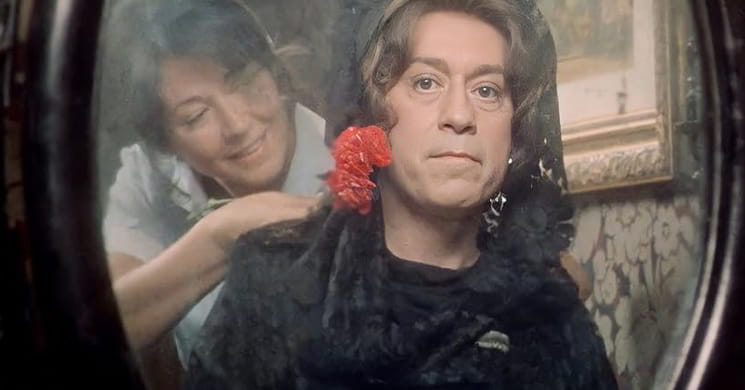
Ten years later, Spanish audiences had the pleasure of witnessing the release of Jaime de Armiñán’s Mi querida señorita (My Dearest Senorita in English), which tells the story of a trans man. (Or, well, at least that’s what my Spanish film history teacher initially told us. It’s a bit more nuanced than that, but I appreciate him being an ally by showing a class of 100+ film students what he unapologetically called the first openly trans film in Spanish history.)
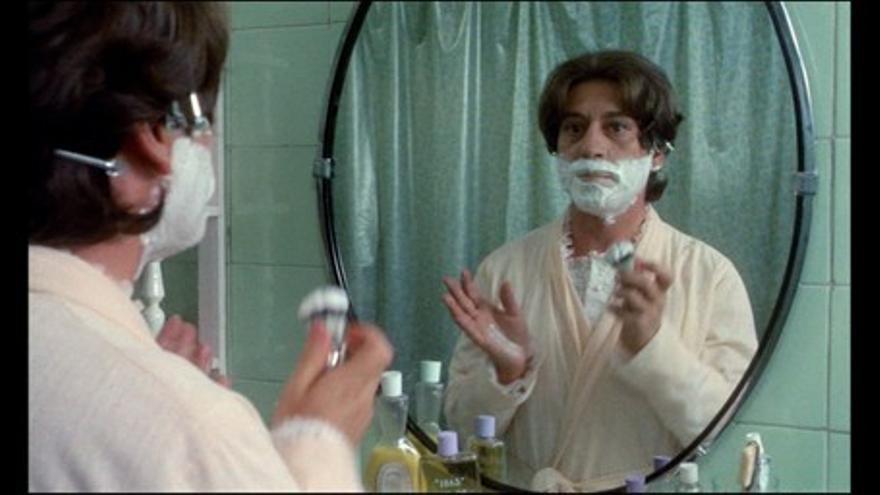
Mi querida señorita begins with the story of Adela Castro, a single middle aged woman who has given up on dating due to believing no man could ever be attracted to her. When an old newly widowed friend of hers suddenly proposes to her, Adela rushes to confess to her go-to priest that she’s worried she might not be a ‘normal’ woman, since she has to shave every morning. After a jealous fit witnessing her maid Isabelita flirting with another guy, Adela goes to the doctor, who informs her that this whole time she was actually a man, but no one knew because her family had chosen to raise her as a woman instead.
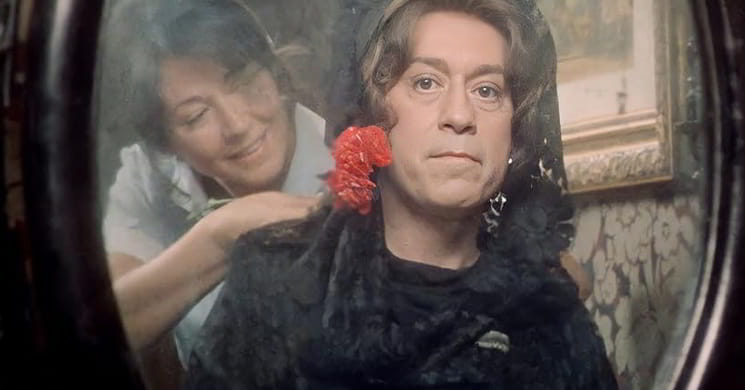
What follows is an insanely progressive story for its time reflecting the transmasc experience as Adela changes his name to Juan and moves to Madrid, where he struggles to socialize and find a job due to his ID still saying that he’s a woman. (At one point he even has to resort to dressing up as a woman again, with all the discomfort – dysphoria! – that brings him.)
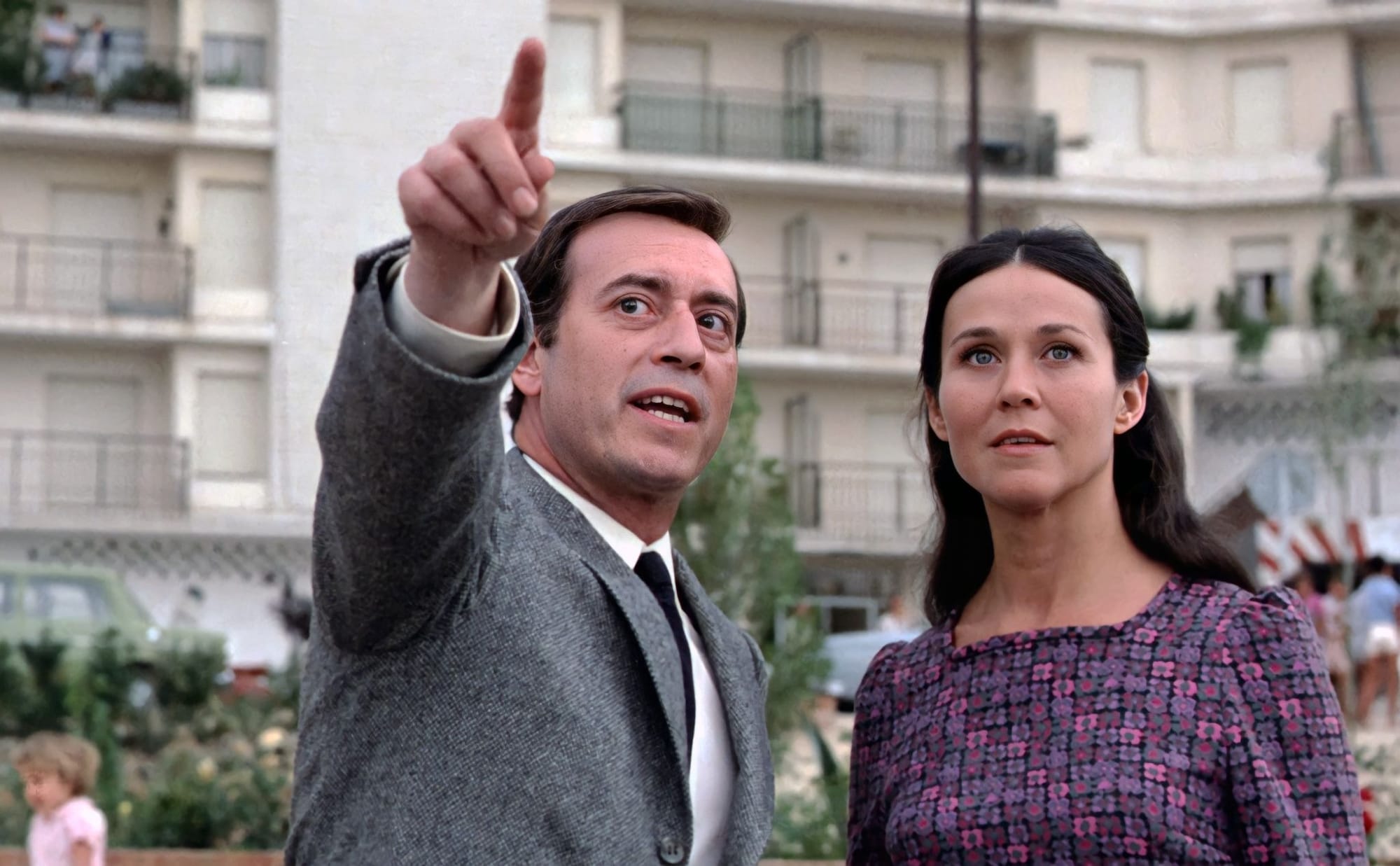
As he tries to navigate his situation, he suddenly stumbles across Isabelita, who is now a waitress in a café. She doesn’t seem to recognise him, what with the new suit, short hair and mustache, so he begins to court her as if they were strangers. Shenanigans ensue, Juan tries to have his first sexual experience with his old roommate, but it doesn’t work out. This causes him to fall into a deep depression, which he only gets pulled out of when Isabelita shows up to his house demanding he let her in, and they make love. Afterwards, Juan tells her that one day he’ll tell her something important… And Isabelita reveals that she knew who he was this whole time, and loved him regardless.
When we watched this final scene in class, the 100+ students all started to cheer and clap in a way that made me genuinely tear up. The fact that a Spanish film during dictatorship times managed to be so progressive and still pass the censorship is beyond me, but there’s no point in rationalizing stupid censorship systems.
Though perhaps the most shocking thing about the film is that it was a huge success even at its time, going so far as being nominated to the Oscars with the entire Spanish audience rooting for it to win. Unfortunately, it lost against a french film by Buñuel, but the fact it garnered such support nationwide is a testament to the universality of the trans experience, despite what right wing bullshitters would have you think.
Although saying Mi querida señorita is a film about a trans man is not quite correct. If anything, using contemporary language, it would perhaps be more accurate to interpret it as a story about an intersex character who undergoes a transmasc transition when he finds out about his true identity, which is arguably even more woke.
So again, how the hell did this film manage to pass the Spanish censorship? Sure, there were only three years left for the dictatorship to end, but Franco was still alive and people definitely didn’t know about that deadline yet. And sure, fascism worldwide had started to die down and the Spanish regime had been forced to represent itself internationally as more open minded to continue overseas relations, but to the point of allowing a film this progressive? How did this happen?
I think it comes down to the fact that, once again, the film never explicitly uses the word ‘trans’. When Adela goes to her consultation, the doctor informs her that she’s actually a man. As in, physically. (As someone who has gone to medical consultations regarding transitioning in the 21st century, to this day they’re usually not that woke with how they say it). My guess is that the censorship probably assumed that what the wording was insinuating was that Adela’s family were fucked up and, after birthing a son instead of their dreamed daughter, decided to do whatever they wanted to fulfil their wishes.
But regardless of the possible original intentions or interpretations, it’s undeniable that even for today's standards Mi querida señorita is a radical tale about love and self acceptance in an undeniably trans experience, and the fact that this film was made back then shows how even in hard times, queer character and narratives will continue to survive and, in this case, thrive.
La novia ensangrentada (1972)
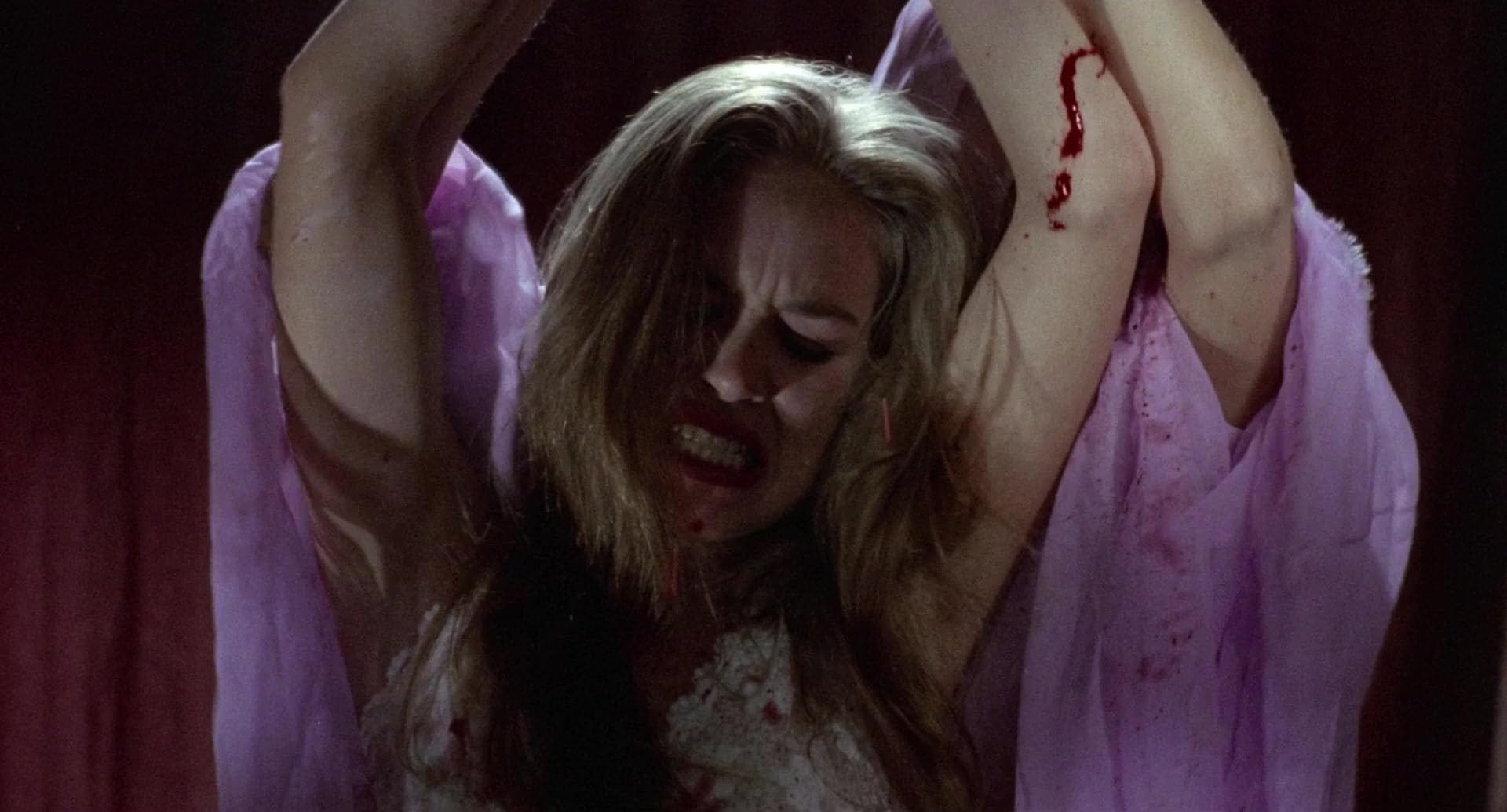
A few months after the release of Mi querida señorita, Vicente Aranda’s La novia ensangrentada (in English: The Blood Spattered Bride) hit the screens with lesbian vampires.
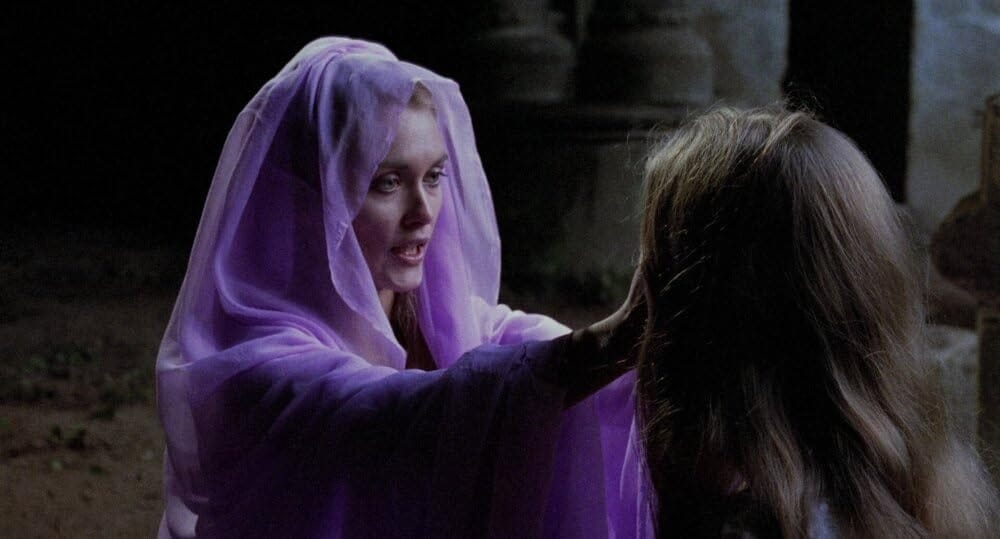
Based on the 1872 Gothic novella “Carmilla” by Irish author Joseph Sheridan Le Fanu – which is considered by many as the birth of the lesbian vampire trope – the source material for the film is consequently unapologetically sapphic, and when the film followed in its footsteps, the censorship seemed to turn a blind eye. (Or did they really? More on that later).
The film follows the story of newly wed Susan who, plagued by nightmarish fantasies – and then suffering actual abuse at the hands – of her husband, starts to feel watched by a mysterious woman. She eventually finds out that this woman is Mircalla Karstein, an ancestor of her husband's, famous for having killed her own husband on their wedding night after he asked her to do ‘awful things’ 200 years ago. Mircalla ends up haunting Susan’s dreams, leading to a particularly violent nightmare in which she guides Susan to brutally murder her husband like she did back then… Which turns out to be an incredibly erotic scene of the two women stabbing Susan’s husband together, moaning in unison. Although I assume the technical justification is supposed to be that the sounds they’re making reflect the physical effort this task is demanding of them, the subtext is clear.
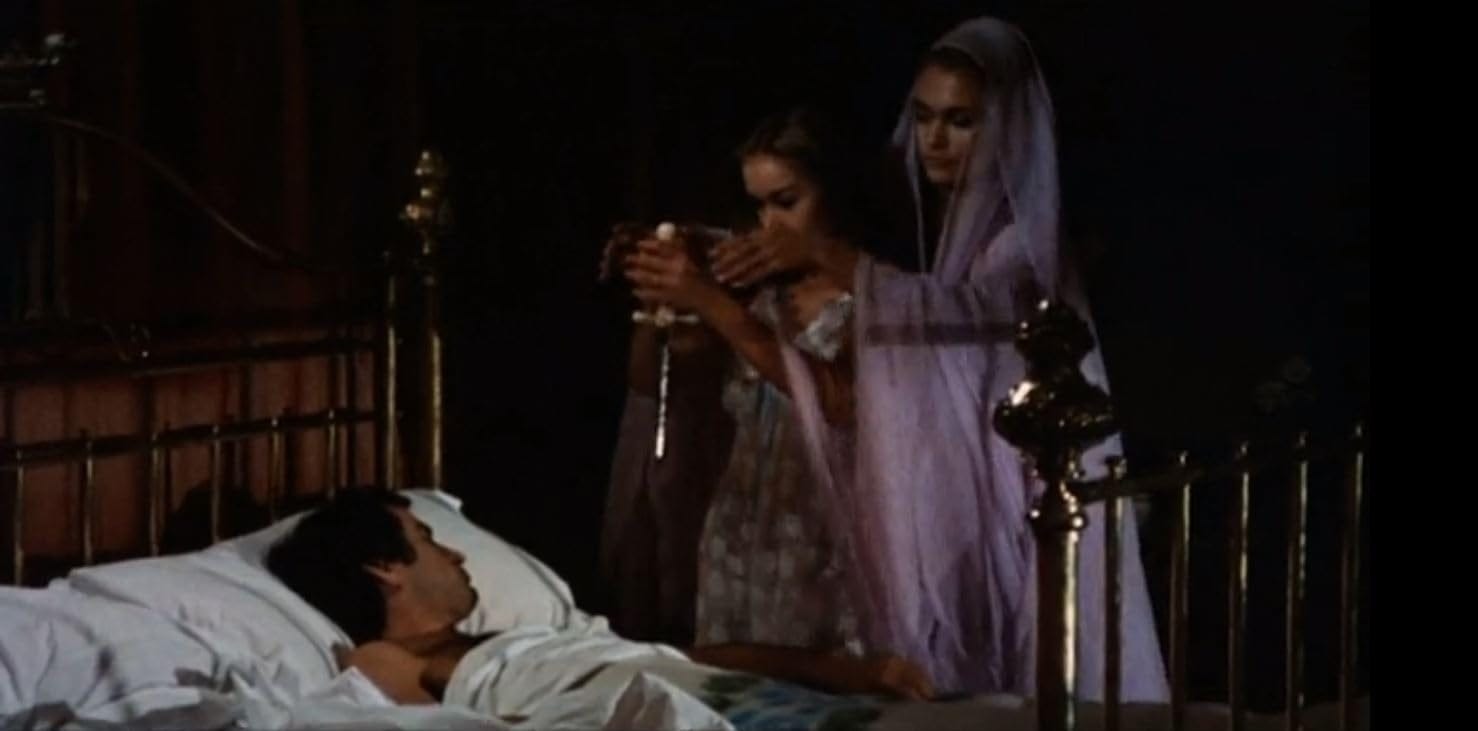
Eventually the subtext becomes just the literal text when Susan’s husband brings home a woman called Carmilla he finds abandoned on the beach. Susan immediately recognizes her as Mircalla, who we find out is now a vampire and proceeds to seduce Susan and drink her blood. The two begin a sapphic love story with fun dates consisting of going on a murderous rampage of all the abusive men in their environment, with Susan’s husband as their final target. However, in the end he’s one step ahead and kills them before they get the chance, catching them unawares where they lie together, naked, in a shared coffin.
The easy answer to how La novia ensangrentada managed to get screened despite its obvious lesbian eroticism is something we’re still all too familiar with today in the 21st century: the fetishization of sapphic women in media. It was probably way more acceptable to the censorship to showcase hot women kissing on screen than allowing two men to hug lovingly, since the first was a pleasurable experience for the male gaze, and the latter would threaten the very pillars of masculinity the regime was trying to maintain.
However, it is still shocking to see that a film like this managed to pass the censorship at all, especially because although the lesbian vampires are painted as ‘evil’ and get their ‘due punishment’ by the end of the film, the story still has a very strong feminist nature in women standing up against their abusers. Add the queer element to the mix and it could be interpreted as a pretty woke film.
An added factor for why the queerness of La novia ensangrentada was probably seen as more palatable at the time is rooted in the fantasy genre nature of the film. It’s easy to justify showing supposed ‘horrific’ or ‘unacceptable’ things on screen if you’re able to back it up by pointing out that the characters are not fully human in the first place – in this case even more so since they’re supposed to be literal monsters.
It’s quite a common experience for queer audiences to see ourselves in supernatural characters in media, in big part because queerness and/or queer subtext was often explicitly attached to these storylines. There’s an obviously problematic nature to this allo-cis-het filmmaking practice, but from a queer viewer’s perspective, it can also feel like a very authentic representation when in real life you are treated as or literally called a monster for being who you are. Thus embracing these characters becomes an act of empowerment, especially through the power of reinterpreting and/or remaking those narratives as our own.
And once again, bad representation is better than a complete lack of it, and considering that lesbian vengeful vampires is a pretty iconic concept, La novia ensangrentada seems like a film ahead of its time – especially considering that a lot of other Spanish films got censored for much more incomprehensible reasons.
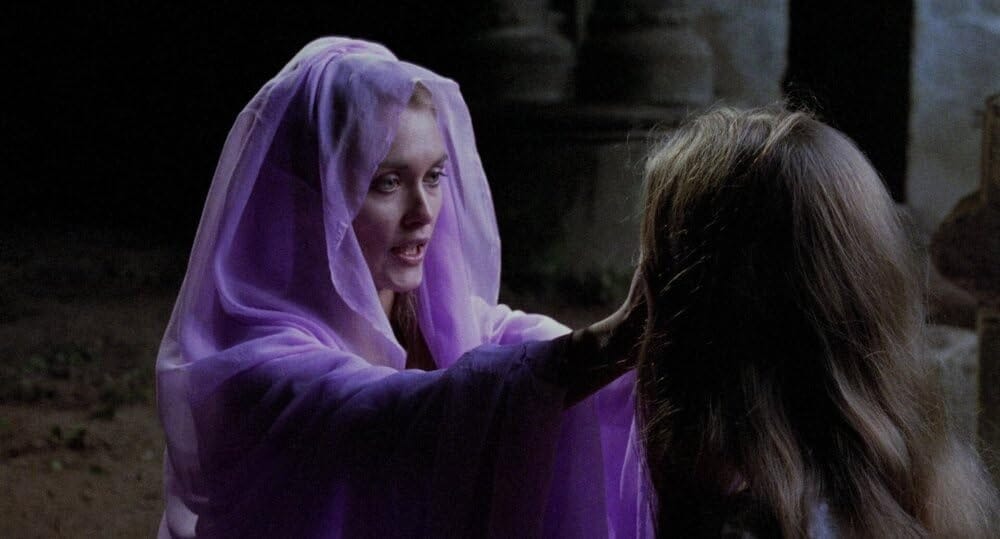
The fact that these films managed to pass the censorship was, as I mentioned, in big part due to a lack of strict guidelines and the fact that the board of people tasked with doing the censoring was in constant flux – which meant that sometimes there would be people with more progressive ideologies that allowed certain films to go through. In other cases, it’s just plain stupidity and lack of media literacy on the censorship’s end – but long live that!
Regardless, the fact that these queer films and narratives managed to find their place and are still accessible to us to this day despite the political environment they were conceived in is an important reminder of the resilience of the queer community. We’ve always been here, even when people didn’t want us to, and in the same way we’ll always continue to be, now and forever more. Even if we need to avoid using certain words, or come up with convoluted excuses, or have to rely on metaphors and subtext.
We were, are, and always will, be here.
And along the way, we’ll be able to offer some of the most interesting and diverse filmmaking out there. Because if there’s one thing that queer coding and subtext requires its creativity, and that’s something the film industry is always looking out for more of.
VERSIÓN EN ESPAÑOL: El cine queer durante la dictadura: una guía práctica para sobrevivir a la censura
España, 2026. La nueva película de los Javis, La bola negra (2026), arrasa tanto nacional como internacionalmente. Me pongo a reflexionar sobre el cine queer contemporáneo y me pregunto por qué será que todos los directores españoles con más éxito internacional (Almodóvar, Amenábar y ahora Ambrossi y Calvo) son hombres gays cisgénero. (No me quejo, mejor eso a que sean sólo hombres cisgénero y alo-heterosexuales. Simplemente me parece curioso).
Pero por desgracia, no todo va bien en el país. Mientras que La bola negra se lleva un montón de premios con su discurso abiertamente gay, la censura en el audiovisual español ha vuelto a sembrar sus primeras semillas en Castilla y León, donde ya no se concederán subvenciones a películas que promuevan ideología de izquierdas. Devastador, entre otras cosas, para el cine queer, sobre todo ya que tocan elecciones a finales de noviembre y las encuestas no pintan muy de izquierdas tampoco…
Todo mal. Pero hemos pasado por tiempos peores, y el cine queer encontró la forma de salir adelante. Siguiendo el ejemplo de los Javis, quizás ahora más que nunca sea el momento de revisitar la historia de nuestro país para ver qué podemos aprender...
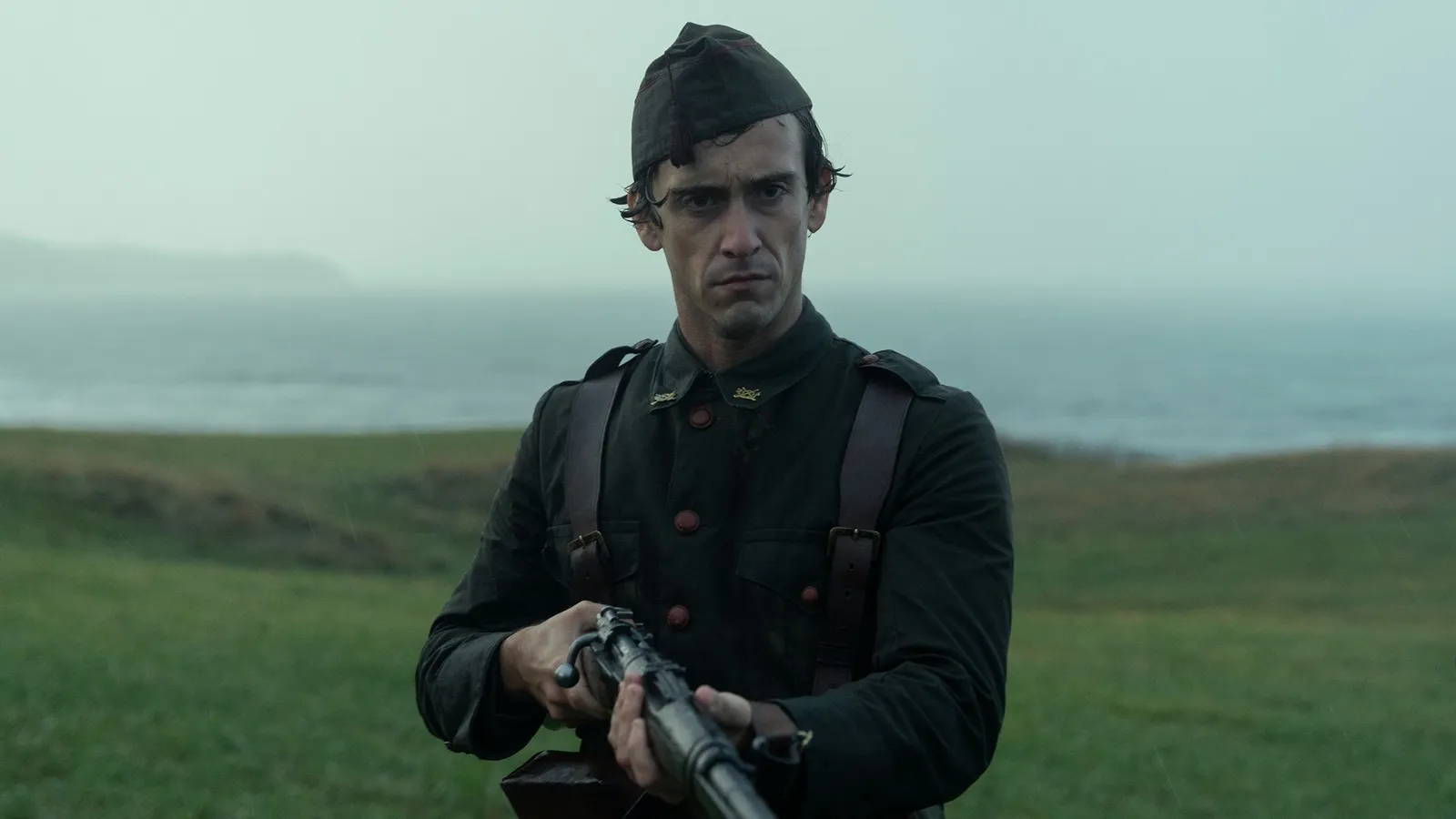
España, 1939. Termina la Guerra Civil, y se instaura oficialmente la dictadura de Francisco Franco. Empieza una época de hipercontrol y censura a nivel nacional que abarca a todos los ámbitos, incluído el mundo audiovisual…
Aunque, bueno. En realidad el nuevo Gabinete de Censura, establecido en Sevilla y La Coruña, se creó durante la Guerra Civil, en marzo de 1937. De hecho, el cine como forma de propaganda en España surgió a la par que la guerra, ya que antes el Gobierno republicano no estaba interesado en producir pelis de 'temática política', y ya era hora de subirse al carro. La Guerra Civil se convirtió pues en un tema fundamental del cine también internacional, que difundió propaganda global por ambos bandos: el de los republicanos, que intentaban advertir sobre los peligros del fascismo, y el de los franquistas, que se dedicaban a acusar a los republicanos de amenazar a España y Europa con ese comunismo tan peligroso.
La situación empeoró considerablemente cuando la dictadura se instauró de forma oficial. En la industria cinematográfica se establecieron diversas formas de censura, desde tener que aprobar los guiones, el doblaje obligatorio de películas extranjeras, y la exigencia de permisos oficiales para importar y exportar películas desde y a España.
Lo curioso de la censura española en contraste con, por ejemplo, el Código Hays en Estados Unidos, es que hasta 1963 no existían directrices oficiales sobre qué se censuraba y qué no. Esto llevó a que la censura pudiera actuar con total arbitrariedad en varias ocasiones, censurando algo o no según cómo les pillaras ese día.
Esto explica la razón por la que existen tantos casos de películas que, a pesar de promover ideas aparentemente opuestas a la ideología del régimen, lograron proyectarse en cines. Es cierto que también existían sistemas de clasificación de películas que podían perjudicar su éxito y la reputación de sus creadores, pero sigue siendo chocante que algunas llegaran a ver la luz del día ya que la dictadura tampoco tenía ningún problema con destruir físicamente aquello que no le interesaba.
A nadie le sorprenderá saber que uno de los temas más censurados fue cualquier representación queer, pero lo que sí puede sorprender son los múltiples casos de pelis que lograron abrirse paso a pesar de la censura de estos tiempos…
[¡AVISO! ¡SPOILER!: a lo largo de este artículo analizo las historias de tres películas en detalle, incluyendo sus finales. Si le lectore prefiere verse las pelis primero y luego seguir leyendo, ¡sea bienvenide!]
Diferente (1962)
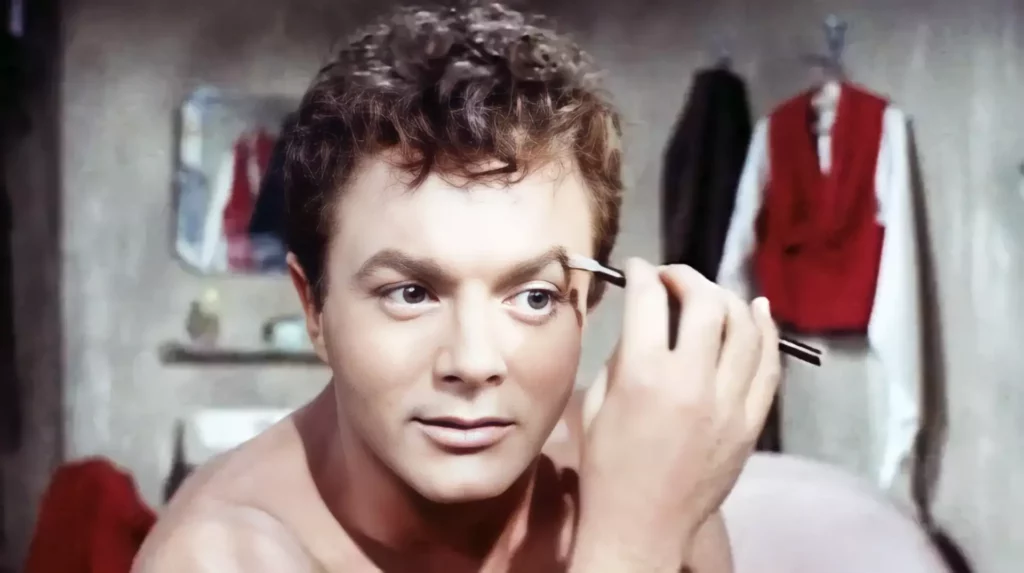
A pesar de que esta película de 1962 de Luis María Delgado nunca pronuncia la palabra 'gay', hace todo lo posible por contar la historia de Alfredo: un hombre extravagante, probablemente (evidentemente) homosexual, enamorado del teatro y la danza, que se enfrenta a los deseos de su familia que le juzga por su ‘estilo de vida’.
Al principio Alfredo cede a la presión social y acepta un trabajo de oficina en la inmobiliaria familiar, tratando de ser el hombre que su familia espera de él. Pero le resulta imposible negar su naturaleza y, cuando intenta fusionar sus dos mundos introduciendo el arte escénico al entorno laboral, su hermano lo acusa de inútil y 'afeminado' mientras su familia se da por vencida en tratar de razonar con él. El resentimiento familiar no hace más que crecer cuando su padre muere al final de la película, y el hermano de Alfredo lo culpa por su estilo de vida bohemio, dejando a Alfredo abandonado a lidiar con su desgracia.
Bueno. Eso es probablemente lo que la censura interpretó de la película y esperaba que el público también. Pero la verdad es que aunque gran parte de la película trata sobre la familia de Alfredo tratando de convertirlo a un ‘estilo de vida heterosexual’, lo cierto es que esto no tiene porque significar que la película sea homófoba. O sea, obviamente ya no puedo preguntarle a Luis María Delgado sobre su intención artística ya que felleció en 2007 (DEP), pero el hecho de que Alfredo sea el protagonista coincide con muchas narrativas queer contemporáneas sobre enfrentarse a la discriminación de nuestro entorno.
El final parece ser lo único que no cuadra con esta interpretación, ya que en lugar de ser recompensado con una nueva found family, como suele ocurrir en muchas pelis queer actuales, Alfredo se queda completamente solo. Sin embargo, yo diría que en realidad es un final bastante ambiguo. Sí, Alfredo está atormentado por la culpa que siente tras la muerte de su padre… Pero cabe destacar que su padre era el único personaje que sugirió dejar a Alfredo hacer lo que quisiera, aunque no lo comprendiera o aceptara del todo. Así pues se podría interpretar el duelo de Alfredo como algo más bien relacionado a la pérdida del único familiar que se esforzó por entenderlo de verdad, y que los comentarios de su hermano son la gota que colma el vaso.
Además, la escena final de la peli, en la que Alfredo clama a Dios bajo la lluvia pidiéndole perdón por ser ‘diferente’ y solicitando una señal mientras llora… Probablemente la censura pretendiera que fuera interpretada como una lección trágica para el espectador queer. Pero también podría interpretarse como un nuevo comienzo para Alfredo, ya que el hecho de que Dios no le responda podría ser la señal que le demuestra que tiene que buscar su propio camino.
Independientemente de si pretendía estar a favor o en contra de los gays, es un hallazgo que una película como ésta se estrenase en esa época. Sí, la peli fue un fracaso absoluto en taquilla, pero cualquier representación es mejor que ninguna, y Alfredo marca un momento importante en la historia del cine queer español.
Mi querida señorita (1972)
Una década después, el público español tuvo el placer de presenciar el estreno de Mi querida señorita de Jaime de Armiñán, una película que narra la historia de un hombre trans. (O al menos así nos lo presentó nuestro profesor. Me parece que la realidad es un poco más compleja, pero agradezco su apoyo al mostrar a una clase de más de cien estudiantes de cine lo que él, sin complejos, denominó la primera película abiertamente trans de la historia del cine español).
Mi querida señorita comienza con la historia de Adela Castro, una mujer soltera de mediana edad que ha renunciado al amor porque cree que ningún hombre jamás podrá sentirse atraído por ella. Cuando un viejo amigo le propone matrimonio, Adela corre a confesarle a su sacerdote de cabecera que le preocupa no ser una mujer 'normal', ya que tiene que afeitarse todas las mañanas. Tras un ataque de celos al ver a su criada Isabelita coqueteando con otro hombre, Adela acude al médico, que le informa de que en realidad siempre había sido un hombre, pero nadie lo sabía porque su familia había decidido criarla como mujer.
Lo que sigue es una historia sorprendentemente progresista para su época que refleja la experiencia transmasculina. Adela se cambia el nombre a Juan y se muda a Madrid, donde tiene dificultades para socializar y encontrar trabajo ya que su DNI sigue identificándole como mujer. (En un momento dado se ve obligado a recurrir a vestirse de mujer de nuevo, con toda la incomodidad —¡disforia!— que esto le provoca).
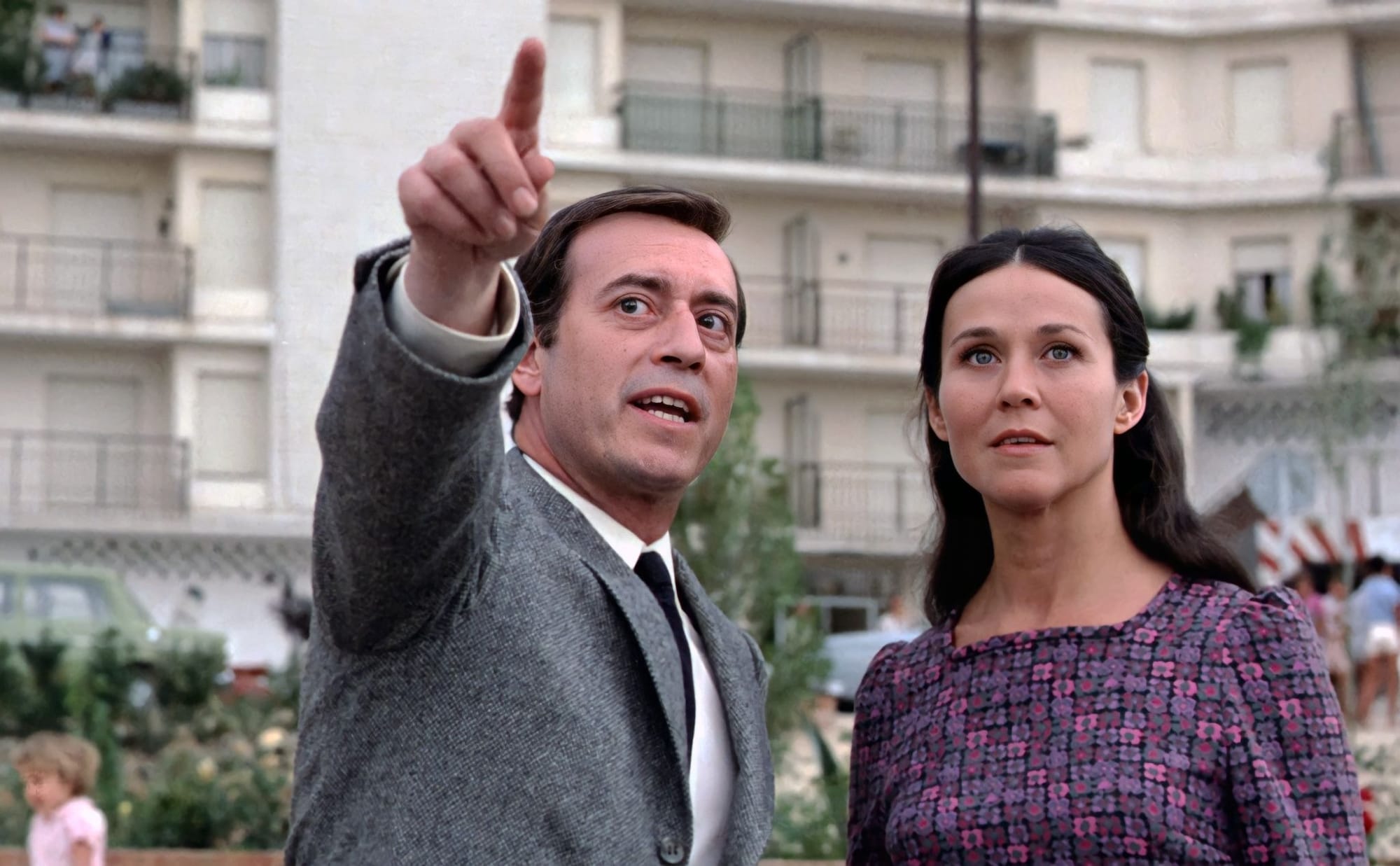
Un día Juan ve a Isabelita, que ahora trabaja de camarera en un café. Con el nuevo traje, peinado y bigote, parece que no le reconoce, así que Juan la corteja como si fueran desconocides. Más tarde, Juan trata de tener su primera experiencia sexual con su antigua compañera de piso, pero no lleva a ningún lado, y cae en una gran depresión de la que solo consigue sacarle la mismísima Isabelita. Después de hacer el amor, Juan le dice que algún día le contará algo importante… E Isabelita revela que siempre supo quién era y lo amó incondicionalmente.
Cuando vimos esta escena final en clase, los más de cien alumnos empezaron a aplaudir y celebrar de tal forma que casi me echo a llorar. No sé cómo una película española de esa época logró proyectarse con un mensaje tan progresista, pero también es verdad que no tiene sentido tratar de racionalizar algo tan irracional como es la censura.
Y por si no fuera suficiente, lo más sorprendente de la película es que fue un éxito rotundo incluso en su época, llegando a ser nominada a los Óscar con todo el público español apoyándola. Por desgracia, el premio se lo llevó una película francesa de Buñuel, pero el hecho de que obtuviera tal apoyo a nivel nacional es prueba de la universalidad de la experiencia trans, a pesar de lo que la ideología de derechas quiere hacernos creer.
Pero decir que Mi querida señorita es una película sobre un hombre trans no es del todo correcto. Quizás sería más preciso interpretarla como la historia de un personaje intersex que experimenta una transición transmasculina al descubrir su verdadera identidad. Lo cual es, sin duda, aún más progresista.
De nuevo, ¿cómo narices logró esta película pasar la censura? Cierto, solo quedaban tres años para que terminara la dictadura, pero eso no lo sabía nadie en ese momento. Sí, el fascismo internacional estaba en declive y el régimen español se vió obligado a proyectar una mentalidad más abierta para mantener alianzas políticas, pero ¿hasta el punto de dejar pasar una peli tan progre? ¿Cómo sucedió esto?
Creo que se debe principalmente a que, de nuevo, la película nunca usa explícitamente la palabra 'trans'. Cuando Adela va a su consulta, el médico le informa de que en realidad es un hombre. En plan, físicamente. (Os aseguro como alguien que acude a consultas médicas para transicionar en el siglo XXI que hasta el día de hoy no suelen ser tan woke cuando hablan contigo). Seguramente la censura asumió que lo que se insinuaba era que la familia de Adela estaba mal de la cabeza y que, tras tener un hijo en lugar de la hija que soñaban, decidieron hacer lo que les diera la gana para cumplir sus deseos.
Pero independientemente de las posibles intenciones o interpretaciones originales, es innegable que, incluso para los estándares actuales, Mi querida señorita es una historia radical sobre el amor y la autoaceptación trans. El hecho de que esta película se realizara en aquel momento demuestra que en tiempos difíciles, los personajes y narrativas queer seguirán sobreviviendo e incluso, como en este caso, prosperando.
La novia ensangrentada (1972)
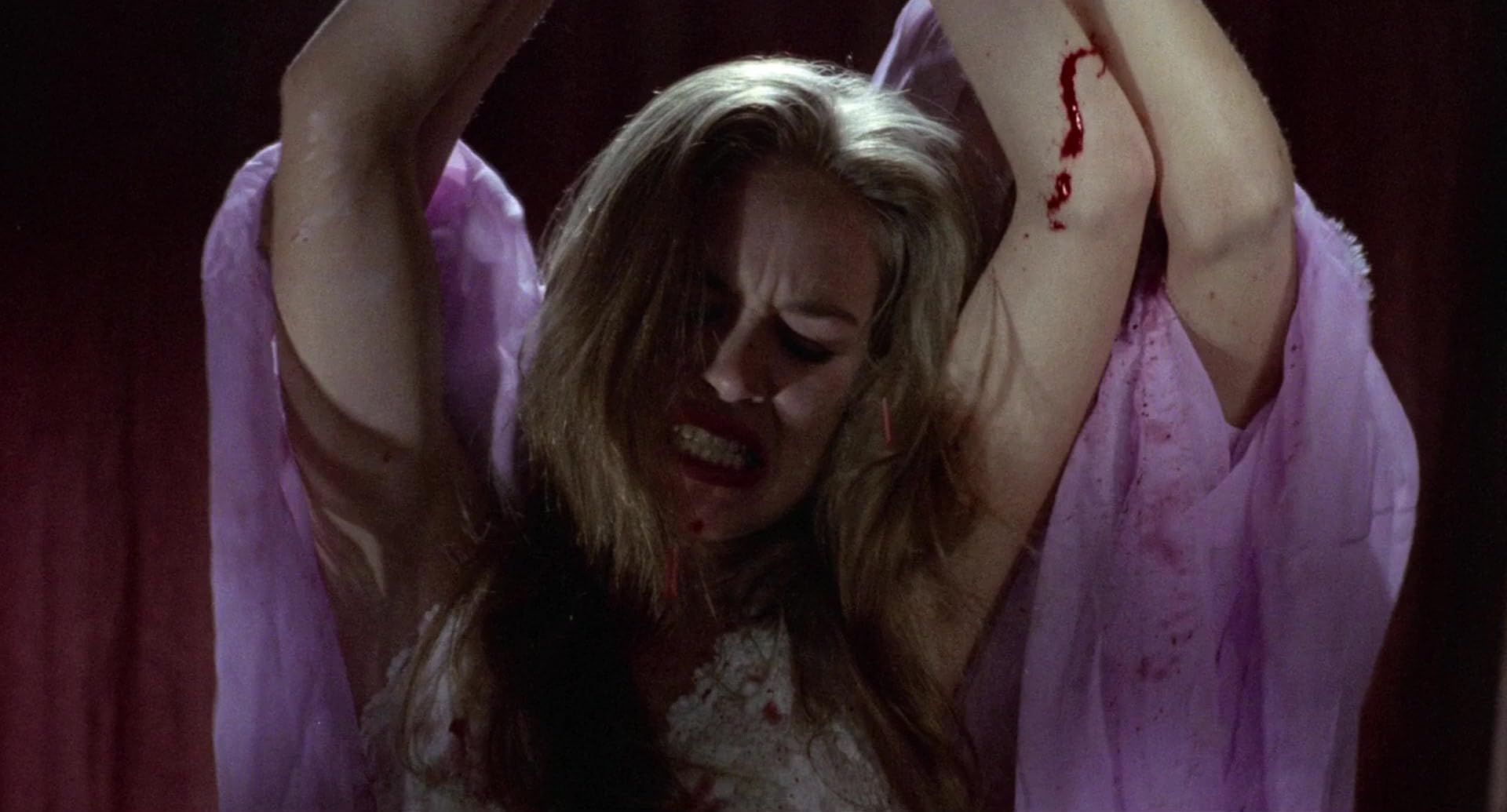
Pocos meses después del estreno de Mi querida señorita, llegó a la gran pantalla una película de vampiras lésbicas: La novia ensangrentada de Vicente Aranda.
Basada en la novela gótica de 1872 del autor irlandés Joseph Sheridan Le Fanu, “Carmilla” es una historia abiertamente sáfica que es considerada por muchos como el origen del tópico de la vampira lesbiana. Y lo interesante es que la película no se corta al ser igual de explícita con el tema que el libro original. (Parece que la censura aquí hizo la vista gorda. ¿Qué bien, no...? Bueno. Ahora hablamos).
La película cuenta la historia de Susan, una mujer recién casada que, atormentada por pesadillas donde a la par que en la vida real sufre abusos a manos de su marido, de repente comienza a sentirse observada por una misteriosa mujer. Termina por descubrir que es Mircalla Karstein, una antepasada de su marido que asesinó al suyo propio en su noche de bodas después de que él le pidiera hacer 'cosas horribles' hace 200 años. Mircalla comienza a invadir los sueños de Susan, incluyendo uno particularmente violento donde la incita a asesinar brutalmente a su marido, recreando su propia historia en una escena increíblemente erótica donde las dos mujeres apuñalan al marido juntas, gimiendo al unísono. Me imagino que la justificación para los sonidos que hacen es que reflejan el esfuerzo físico que les exige la tarea, pero el subtexto es evidente.
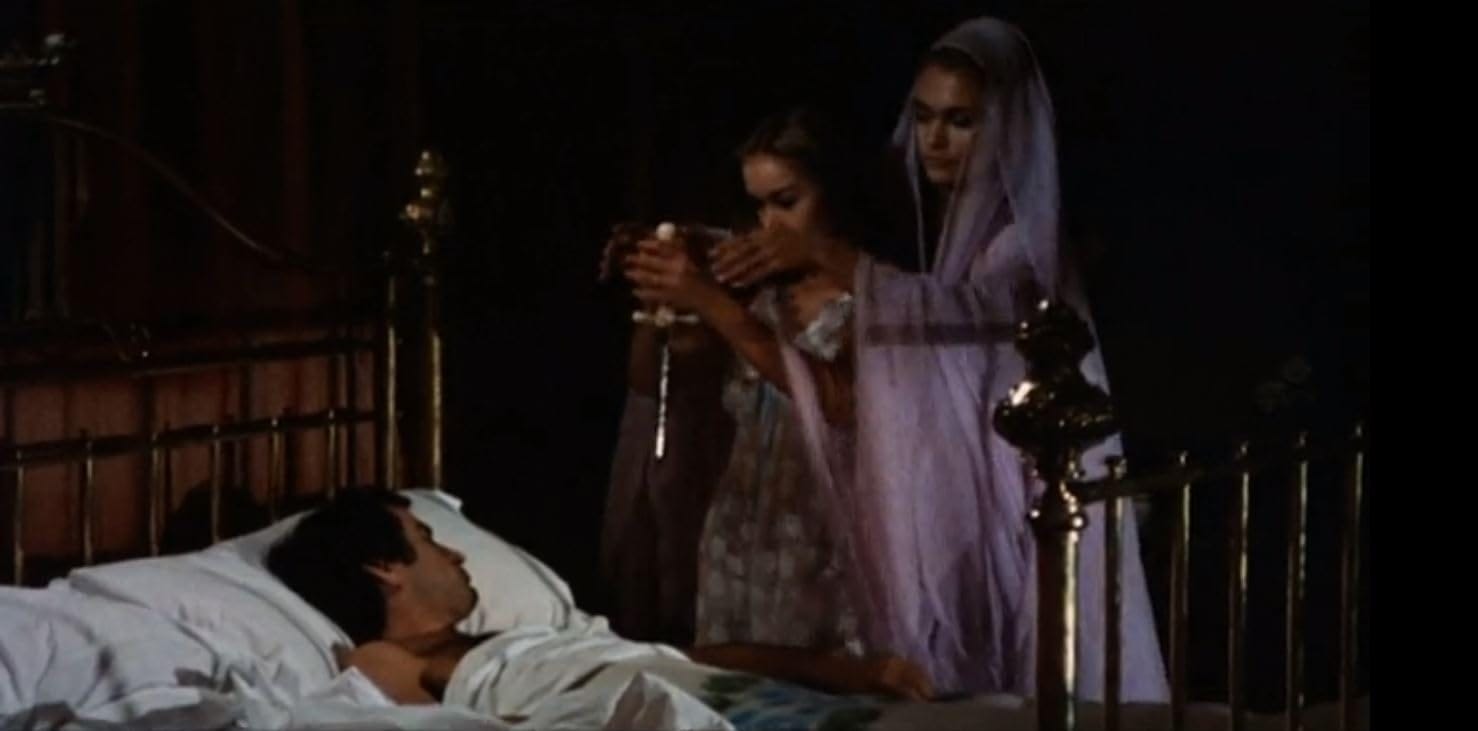
Al final el subtexto se convierte en el texto literal cuando el marido de Susan trae a casa a una mujer llamada Carmilla, a quien ha encontrado abandonada en la playa. Susan la reconoce de inmediato como Mircalla, quien resulta ser una vampira y procede a seducir a Susan y beber su sangre. Ambas inician una historia de amor lésbico con citas divertidas que consisten en matar a todos los hombres abusivos de su entorno. Su víctima final es el marido de Susan – pero éste se les adelanta, matándolas por sorpresa mientras yacen juntas, desnudas, en un ataúd compartido.
La explicación sencilla por la que La novia ensangrentada logró proyectarse en su época a pesar de su erotismo lésbico es algo que sigue resultando demasiado familiar hoy en el siglo XXI: la fetichización de las mujeres sáficas en el arte. Para la censura era seguramente mucho más aceptable mostrar a mujeres atractivas besándose en pantalla que permitir que dos hombres se abrazaran con cariño, ya que lo primero es una experiencia placentera para el male gaze, y lo segundo es una amenaza a la masculinidad rígida que el régimen trataba de mantener.
Sin embargo, sigue siendo sorprendente que una película como ésta lograra pasar la censura, sobre todo porque a pesar de que las vampiras son retratadas como ‘malvadas’ y reciben su ‘merecido castigo’, al final la historia resulta tener un fuerte componente feminista al mostrar a dos mujeres enfrentándose a sus agresores. Si a esto le añadimos el elemento queer, se podría interpretar como una película bastante progre.
Otro factor que tendrá algo que ver es el género fantástico de la película. Resulta fácil justificar ante cualquier censura el mostrar cosas supuestamente ‘horribles’ o ‘inaceptables’ en pantalla si se argumenta que los personajes no son del todo humanos, o en este caso, son literalmente monstruos.
Es una experiencia queer bastante común el verse reflejade en personajes sobrenaturales, en gran parte porque nuestra identidad ha sido asociada a estas tramas durante gran parte de la historia del arte. Una práctica problemática por parte de creadores alo-heterosexual y cisgénero, pero también importante para espectadores queer, ya que puede interpretarse como una representación fiel a cómo se nos trata e insulta en la vida real como algo inhumano. Por lo tanto, identificarse con estos personajes es un ejercicio de empoderamiento, especialmente a través de la reinterpretación y recreación de estas narrativas como propias.
Recordar de nuevo que la representación cuestionable es mejor que la ausencia total de ésta, y teniendo en cuenta que el concepto de vampiras lesbianas vengativas es bastante icónico, La novia ensangrentada parece ser una peli adelantada a su tiempo. Sobre todo si se tiene en cuenta que muchas otras películas españolas de esa época fueron censuradas por razones bastante más incomprensibles.
Como ya hemos comentado, las razones principales por las que estas películas lograron evitar la censura incluyen, entre otras, la falta de instrucciones claras de, y la constante rotación del comité encargado de ésta (lo cual quiere decir que a veces había personas con ideologías más progresistas ahí presentes). En otros casos, se trata simplemente de estupidez y falta de comprensión audiovisual por parte de les censores (¡viva!).
En cualquier caso, que estas narrativas hayan encontrado su lugar y sigan siendo accesibles para nosotres hoy en día, a pesar del contexto político en el que fueron concebidas, es evidencia de la resiliencia de la comunidad queer. Aunque tengamos que evitar ciertas palabras, buscar excusas rebuscadas o recurrir a metáforas y subtextos.
Siempre hemos estado aquí. Seguimos estando. Y siempre estaremos.
Mientras tanto, nos dedicaremos a ofrecer algunas de las producciones cinematográficas más interesantes y diversas que existen. Porque lo que requiere el subtexto es mucha creatividad, algo que la industria cinematográfica siempre está buscando.
Support our work
You can subscribe to the OBSCURAE newsletter for free, or become a paid Aficionado for £5/month to help fund independent coverage, contributor fees, site hosting, and admin costs.