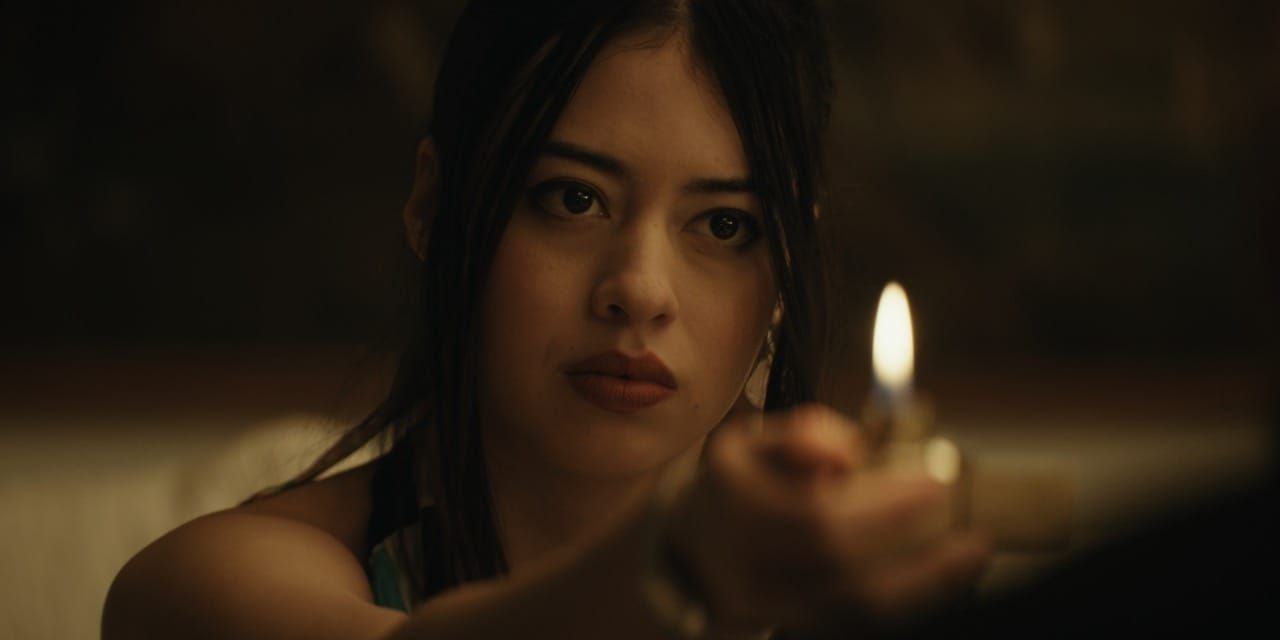
How We Stand begins in 1950s Oklahoma as a single mother (Cara Jade Myers) raises her three daughters with the help of her mother. She’s contemplating moving her family to Los Angeles by enrolling them in the Native American Relocation Program, after promises of a better life. Once they arrive, what was once a hopeful dream, is no longer what it seems. While trying to make the best of this awful situation, tragedy strikes, and the three sisters are split up in foster homes across the state.
What ensues is a story that shows the profound impact of the violence of colonial policies and practices. We meet the sisters 20 years later, each dealing with a combination of intergenerational trauma, and colonial violence through different lenses, be that health care, relationships, career and more. The specific impacts are different but the harm is just the same.
How We Stand explores these important themes with patience and care. The score and visual style is also quite moving, immersing you immediately in the world of these characters. Additionally, a red motif is present throughout the film which stood out as a continued reminder of the plight of missing and murdered Indigenous women, girls and Two-Spirit peoples. I also appreciated how the story sought to deconstruct the simultaneously popular and problematic Western, and trouble the harmful stereotypes and biases inherent in those films. These stories must continue to be told to resist erasure and serve as a call to action to stop this continued violence.
I was initially drawn to the film because of the incomparable, Amber Mindthunder. And she did not disappoint here. She plays Jessie, one of the three sisters, with a skilled complexity and fierceness. She’s joined by Alyssa Wapanatâhk (Miranda) and Isabel DeRoy-Olson (Janey) who embody the other sisters with nuanced emotionality.
There are moments where the characters in the story are represented by figurines in the hobby room of a White man. This was an excellent evocation of how White men and the larger systems of Whiteness and colonialism treat Indigenous people as disposable, as only real through their imagination, as play things. In this colonial mindset, being Indigenous is something to try on, to gawk at, to put on. There is no respect for these varied communities as real people with complexity and nuance. A disgusting colonial fantasy, rooted in very real violence.
The film seeks to represent a reclamation of agency and continued resistance to these systems and people. Each character is faced with determining how they choose to stand in resistance to these spaces that try to keep them down. Each sister embodies a different facet of this resistance.
While I appreciated the meaningful themes and visual style, I was hoping for a bit more from the film. The pacing felt a bit uneven as it got off to quite a slow start. Despite the careful and intentional time given to the themes, the ending felt sudden. I had also hoped that we would have more time with the sisters together and wished for the magical realism to be more consistently integrated throughout.
While the film doesn’t completely work for me, I really admired what director Marie Clements was trying to express here. The visual style was engaging, the acting was strong and the themes were powerful. I am incredibly curious to see the audience reaction to this film. I hope it inspires further conversation around these important themes.
Support our work
You can subscribe to the OBSCURAE newsletter for free, or become a paid Aficionado for £5/month to help fund independent coverage, contributor fees, site hosting, and admin costs.