Landscape of Shame really knocked me flat.
In half an hour, Patrick Hough tells a story of rich history, cultural identity, and the overcoming of colonial-induced shame, all through simple and intimate handheld cinematography.
I have two huge praises for this piece – both its subject matter, and the way it tells that story visually:
First, the subject. Hough tackles some very dense themes here, all addressed from the context of his feeling a national shame:
How do our histories shape us?
How does a whole nation feel shame, and where does it come from?
Without giving away too much, his investigation takes him from the foggy rolling hills of rural Ireland all the way to the vaults of the British Museum as he learns of the British subjugation of Irish land, the pagan demonisation from medieval Christians, and the slow corruption of the Irish psyche to forget its roots.
In the words of the film itself, we learn how Ireland became ‘a country taught to fear its own wildness’, and what that statement really means.
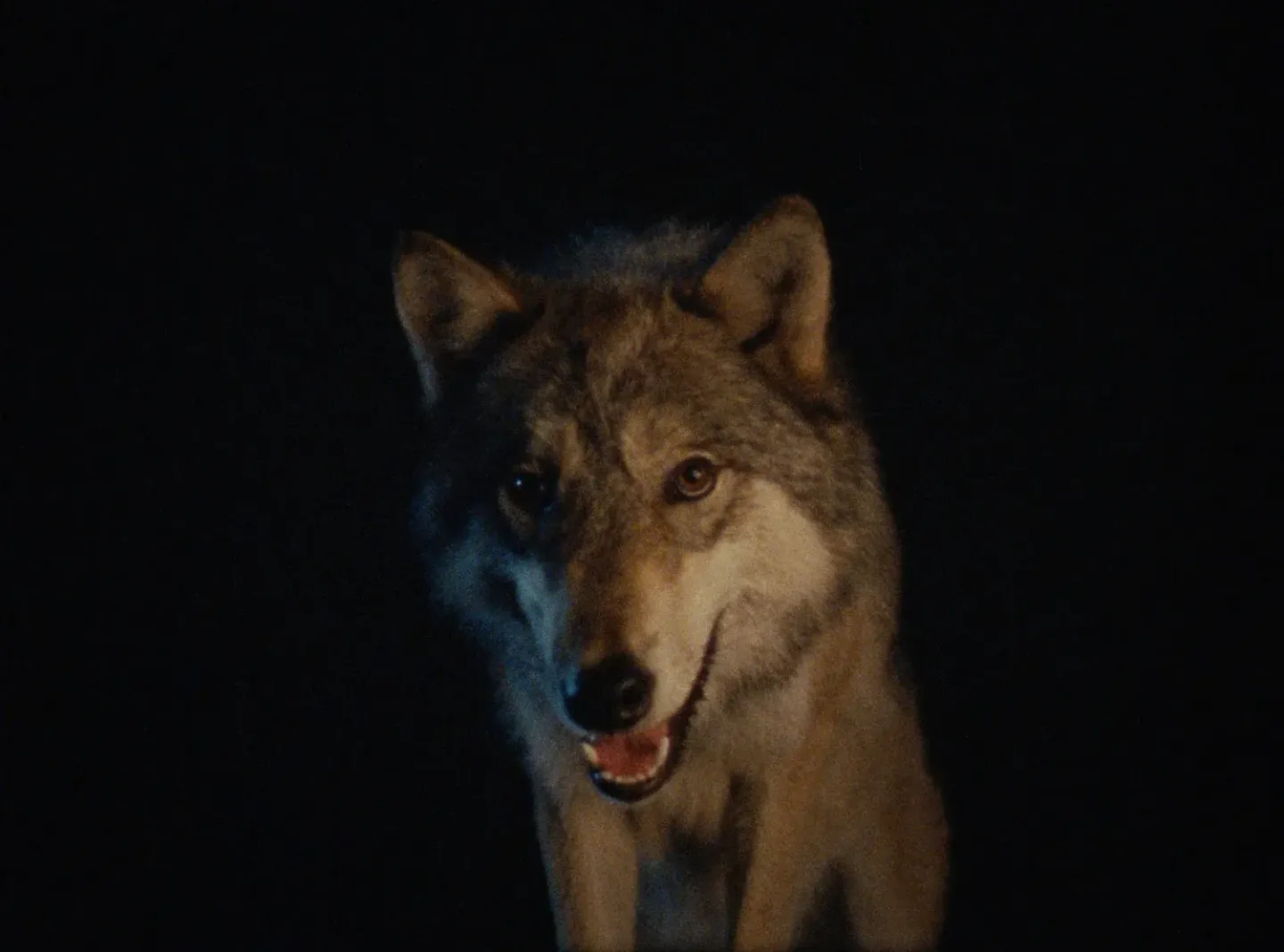
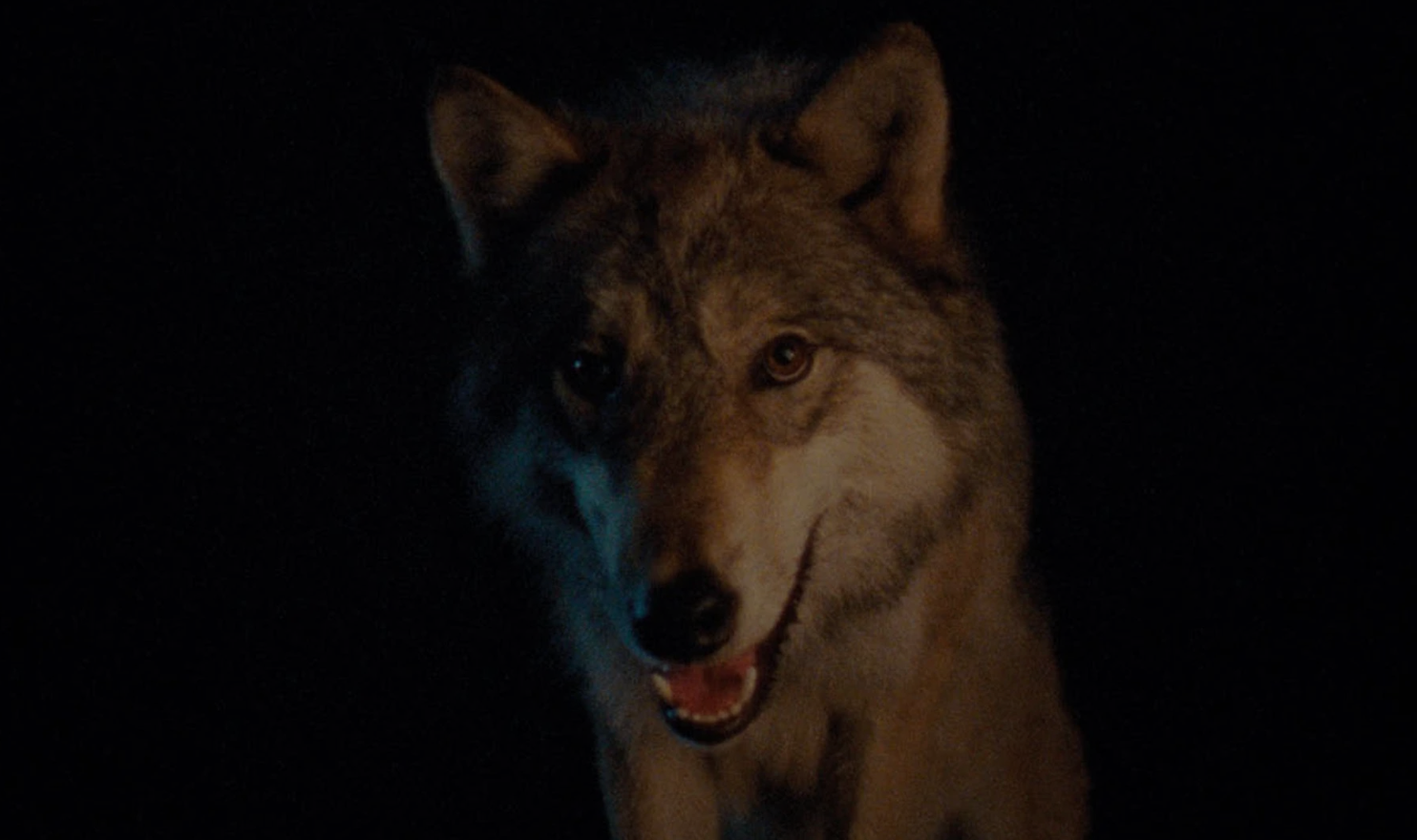
Visually, the cinematography is simple and raw in just the kind of way a story like this needs. The intimacy of performing interviews handheld on film gives the image a grainy, kind of dreamlike quality as we listen to reflections on a forgotten history.
The camera celebrates unfiltered humanity. Whether it’s from a tight close up of a speaker, showing the natural lines and creases of an ageing face, or from a lingering wide shot where it can feel almost voyeuristic to observe some of the Hough family’s simple human moments. I found this to be gentle, considered cinema and it was genuinely moving.
Overall, this short film is everything I look for in informative cinema: it brings together ideas across the range of human knowledge, from politics to history to religion, and shows how they’re all connected in some fascinating way – and does all this with poetry and rich visuals. If you want to learn about the impacts of colonialism with an artistic flair, I highly recommend Patrick Hough’s Landscape of Shame.
Support our work
You can subscribe to the OBSCURAE newsletter for free, or become a paid Aficionado for £5/month to help fund independent coverage, contributor fees, site hosting, and admin costs.