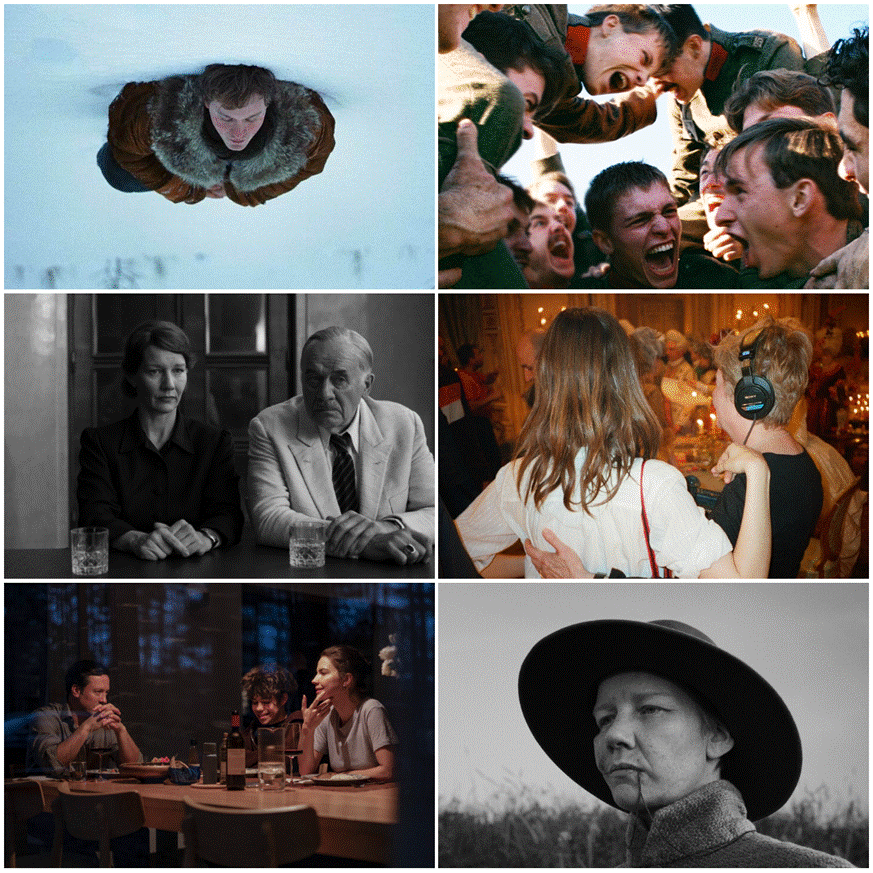
The 70th BFI London Film Festival runs from 7–18 October 2026, bringing an unusually expansive range of international cinema, UK independent work, festival discoveries and screen-industry conversations - here are the titles that we're excited to see!
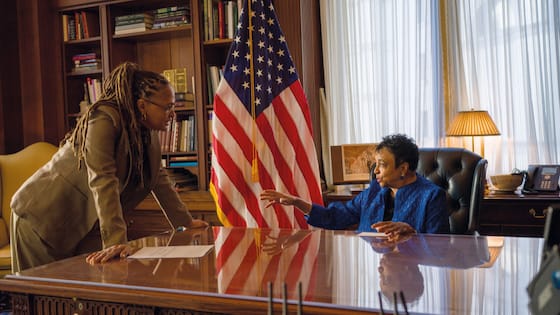
14th
Ava DuVernay’s investigation into citizenship, civil rights and the political structures that continue to determine whose freedoms are treated as negotiable.
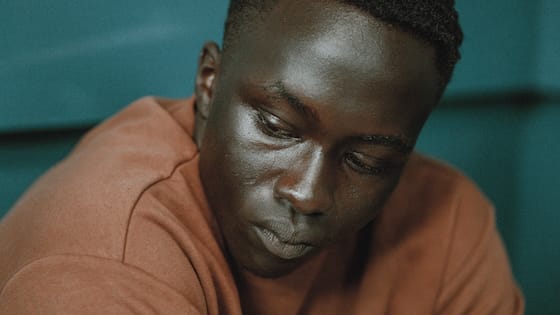
ANIMOL
Ashley Walters’ feature directorial debut, set in a young offenders institute and built around survival, connection and redemption.
Spilled Milk
A chilling UK-premiere horror short from Jared Leaf, executive produced by Jordan Peele.
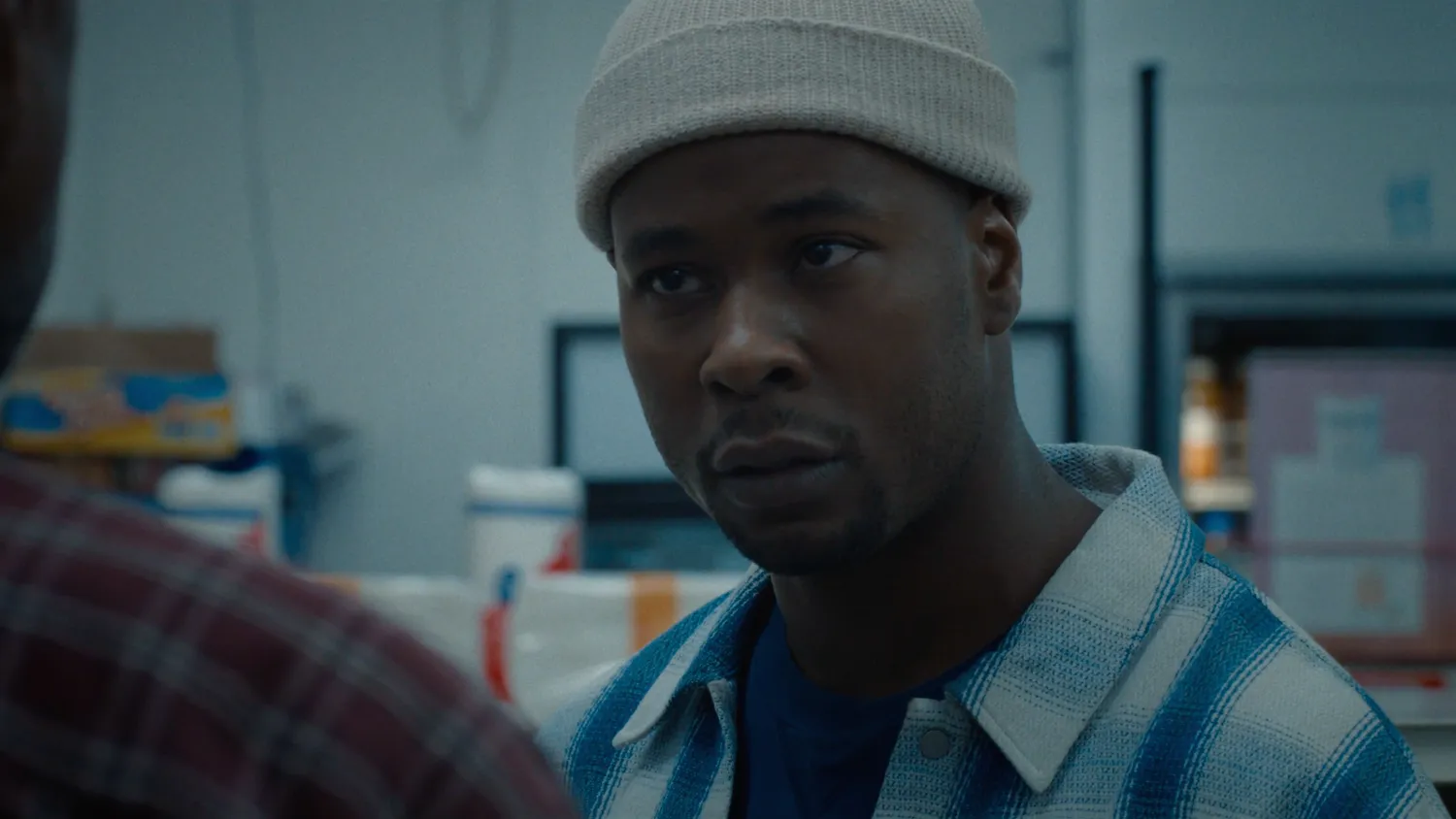
Echoes
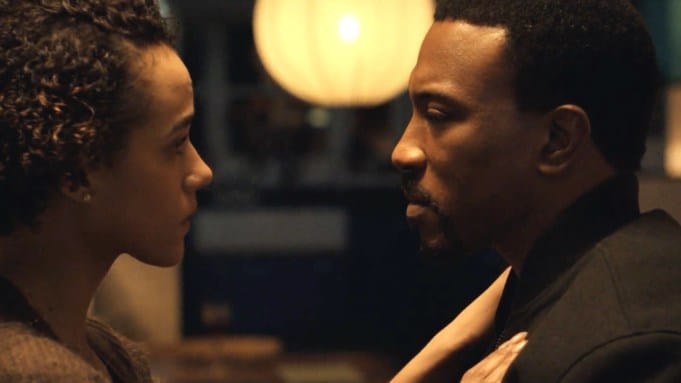
Alex Lanipekun’s film about male friendship, mental health and childhood trauma, starring Ashley Walters and Nathalie Emmanuel.
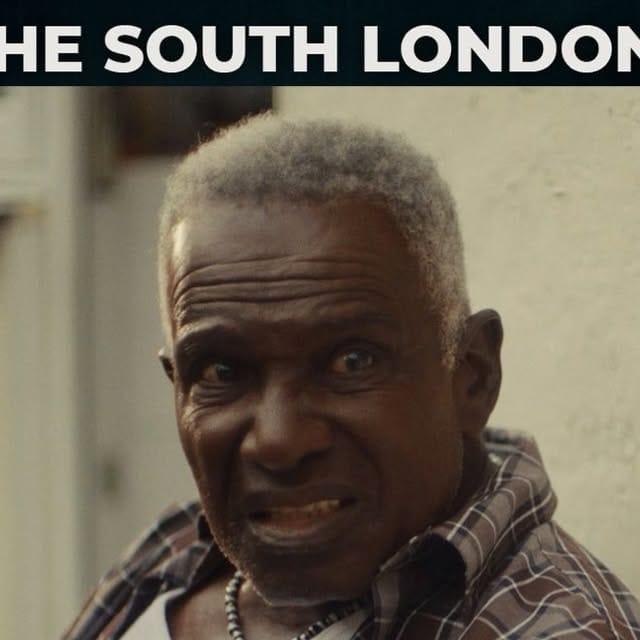
An Ode to Joy
Ashleigh Ashley’s world-premiere short about mature love, family and grief, starring Rudolph Walker.
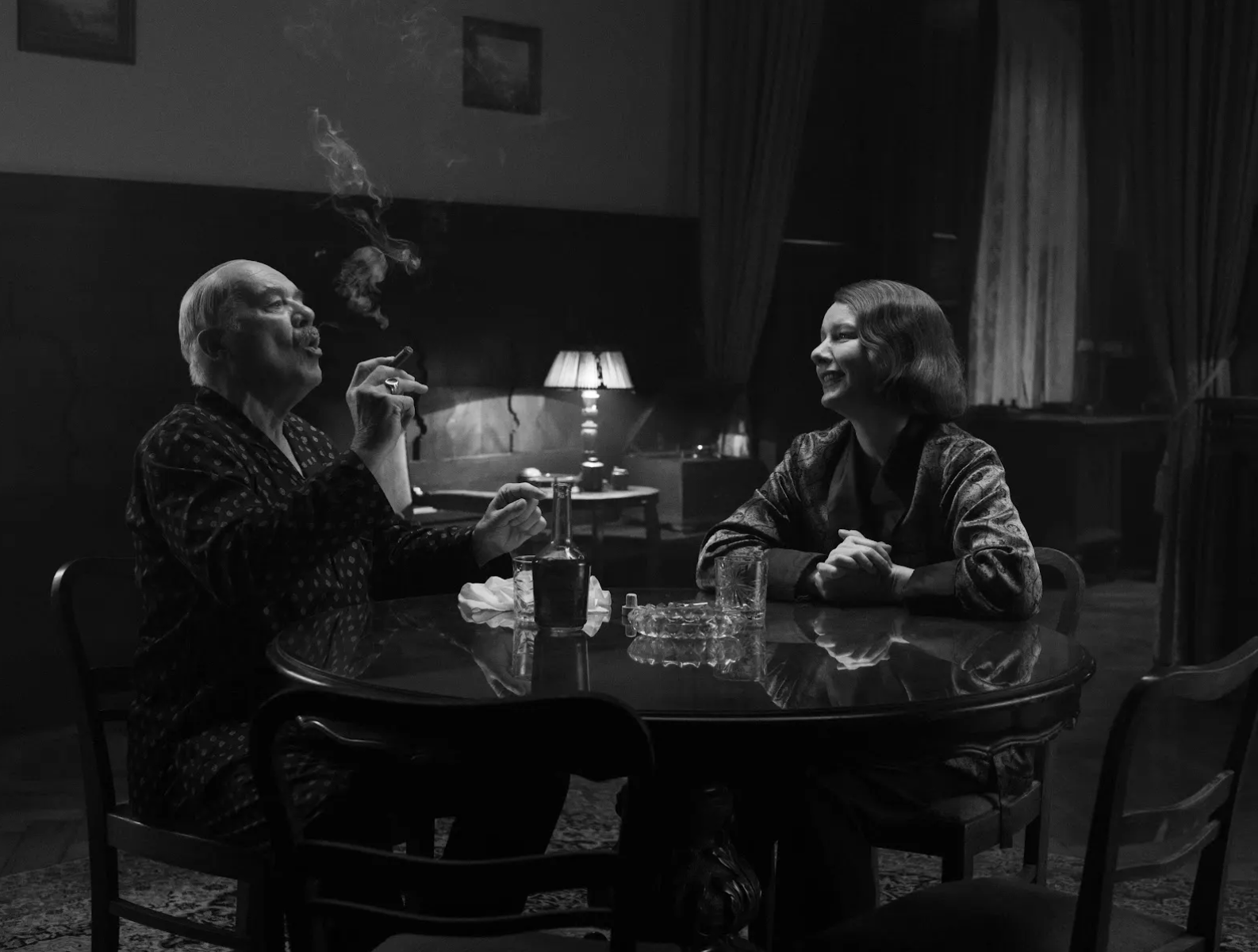
Fatherland — Paweł Pawlikowski
Paweł Pawlikowski’s Cannes Best Director-winning Fatherland, starring Sandra Hüller, returns to post-war Germany through Thomas Mann and his daughter Erika. It is a road film, a family story and a confrontation with exile, memory and national fracture — the sort of historical cinema that asks difficult questions without treating history as a museum piece.
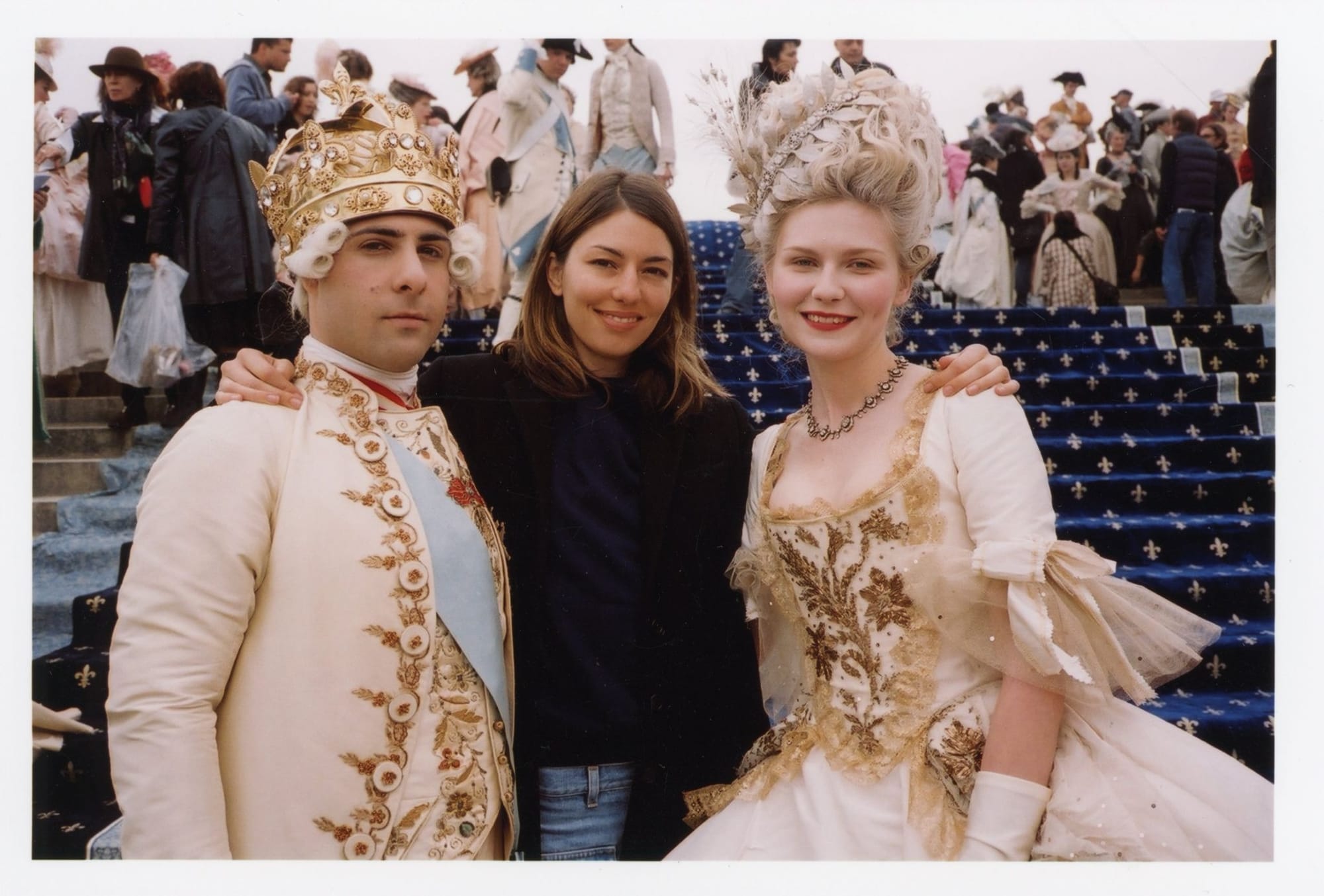
Making Marie Antoinette — Eleanor Coppola
Edited from Eleanor Coppola’s unseen behind-the-scenes footage of Sofia Coppola making Marie Antoinette, this documentary offers a rare perspective on craft, female authorship, costume, working process and the relationship between a filmmaker and the person filming her. Twenty years on from the original film, it is also an invitation to revisit the work without flattening it into a nostalgia object.
Support our work
You can subscribe to the OBSCURAE newsletter for free, or become a paid Aficionado for £5/month to help fund independent coverage, contributor fees, site hosting, and admin costs.