Editor's note: Earlier this summer, I had the pleasure of being on a panel at the BFI for the release of Art/Film. It was through the discussion on the panel that I was reminded that I came to Film Criticism as a bit of a pirate, without a formal education, and mostly self-taught. If OBSCURAE is going to be the bridge connecting the academic to the comprehensible, then maybe it could be fun to go back to basics so we can all sound smarter at parties. This discussion of Metanarrative and Postmodernism started as a very long Voice Note from Lewis that was genuinely the highlight of my day. Enjoy.
Spoilers for: No Country for Old Men, All Quiet on the Western Front, & The Grand Budapest Hotel

Put simply, a narrative is a standard story: events happen, conflicts emerge, people make decisions, and consequences occur. A metanarrative (from the Greek meta [μετά], meaning ‘beyond’) is the overarching narrative that sits above any particular individual story and shows why that world is structured the way it is.
For example,
Narrative 1: Odysseus wants to get home to his family
Narrative 2: Herakles wants to complete his twelve labours
Narrative 3: Jason and the Argonauts want to get the Golden Fleece
These are all individual stories. But they all share a metanarrative for why things are the way they are: The Greek world is defined by the will of the gods, and mortal humans adhering to that will is righteous. So, Odysseus, Herakles, and Jason each have a unique task (narrative), but what they share is a common structure to why their world works that way (metanarrative).
So do all films have a metanarrative? No. There are lots of different positions on metanarratives in film; some films have one, while others reject it entirely. We’ll take a look at four different positions on metanarrative, what they believe, and examples of films in each category:
1. Pre-modern – accepts metanarratives
2. Modern – doubts metanarratives
3. Post-modern – rejects metanarratives
4. Meta-modern – combines both modernism and post-modernism

Pre-modernism
Pre-modernism says that metanarratives are real and exist in the world. There is an objective, discoverable structure to the world, and the story’s characters must act in accordance with rules, or face retribution.
These stories don’t call into question the structure of the world, but question whether the characters will be able to navigate that structure successfully, and by the end of the film, the moral order will be vindicated either way.
In Star Wars, Luke represents the classic hero. The metanarrative of this film is “goodness is righteous and overcomes evil”. The tension in the film is whether he will be able to defeat those forces of evil, but the evil of the Empire, the Rebels' heroism, or the rebellion’s justifiability are never called into question.
Other pre-modern films include:
- Casablanca
- Indiana Jones
- The Shawshank Redemption
Modernism
A modernist film moves one step away from metanarratives and tackles feelings of doubt about their existence.
In these films, things have gone wrong from the pre-modern ‘old way’ of obvious structures and rules, and systems have broken down. There’s confusion about the way things are, and we begin to doubt if there is an order and meaning to the world. The truth of things like “the righteousness of established institutions” and “the goodness of our actions” is called into question.
But modernism believes this instability can be resolved, and earnestly searches for the old structure and meaning. These films believe that there is still genuine hope in this search, and it’s pursued with sincerity. Whether the characters find it is another matter.
In All Quiet on the Western Front, Paul becomes disillusioned with the political structures he fights for. He is driven on through the film, with increasing doubt about the point of it all.
Other modernist films include:
- Taxi Driver
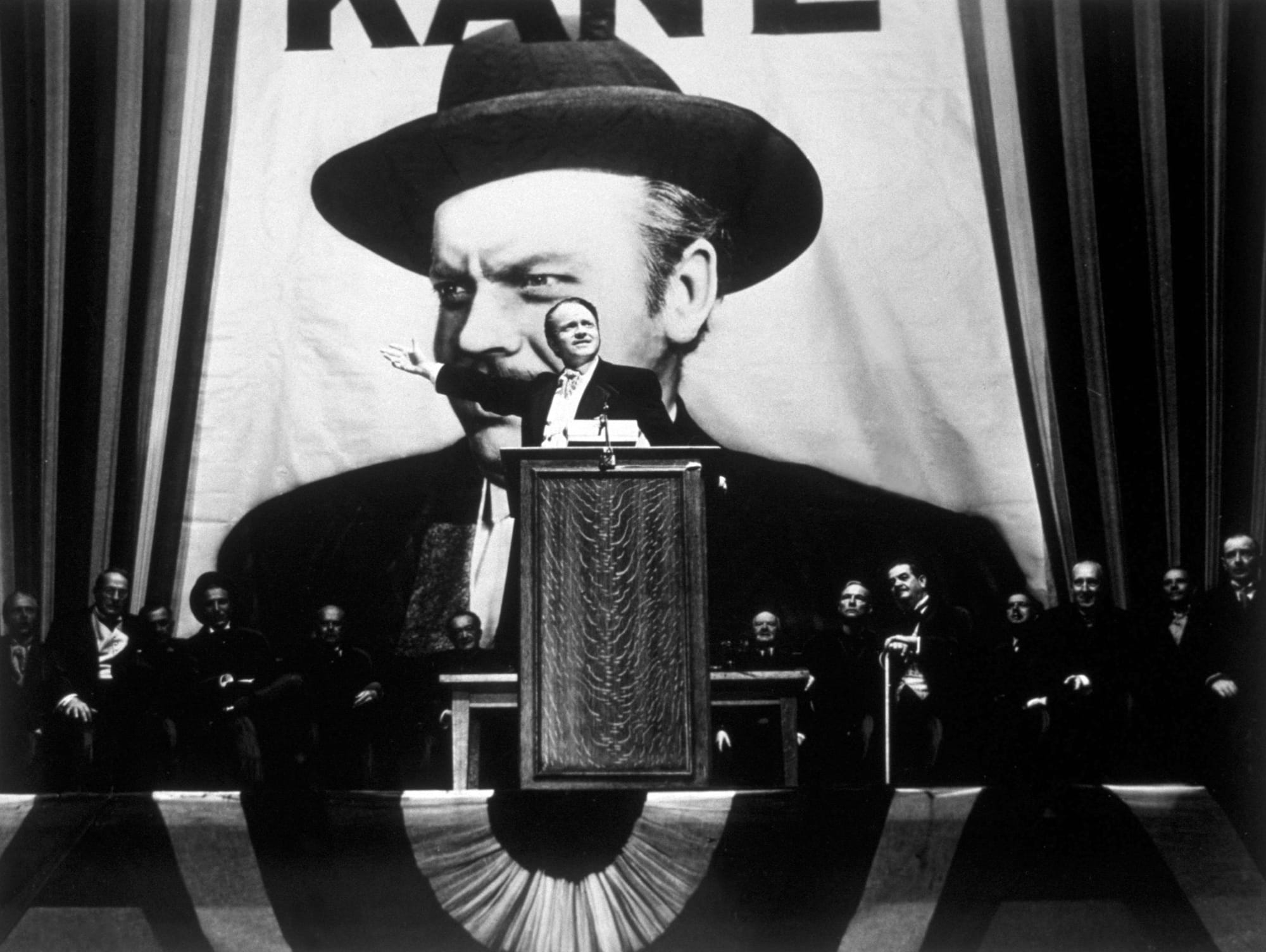
- Citizen Kane
- The Dark Knight
Post-modernism
Post-modernism rejects the existence of metanarratives, and the search of modernism is given up: there is no objective meaning to look for, and all truths are constructed and subjective. Instead of being sincere, it presents itself as self-aware, pastiche, and ironic – and in doing so, points out the structure of modernism to us:
The Coen Brothers’ structure-subverting pessimism and arbitrariness in No Country for Old Men is disorientating – there is no ‘good guy’, and the main character dies off-screen halfway through the third act. Tarantino uses physics-breaking gunslinger violence in Django Unchained to play with the old sincerity of the Modernist westerns.
Post-modernism says: “There’s no underlying order to things, so I’ll mix things around and do what I want.” This can be cynical or celebratory.
Other post-modern films include:
- Inglorious Basterds
- Mulholland Drive
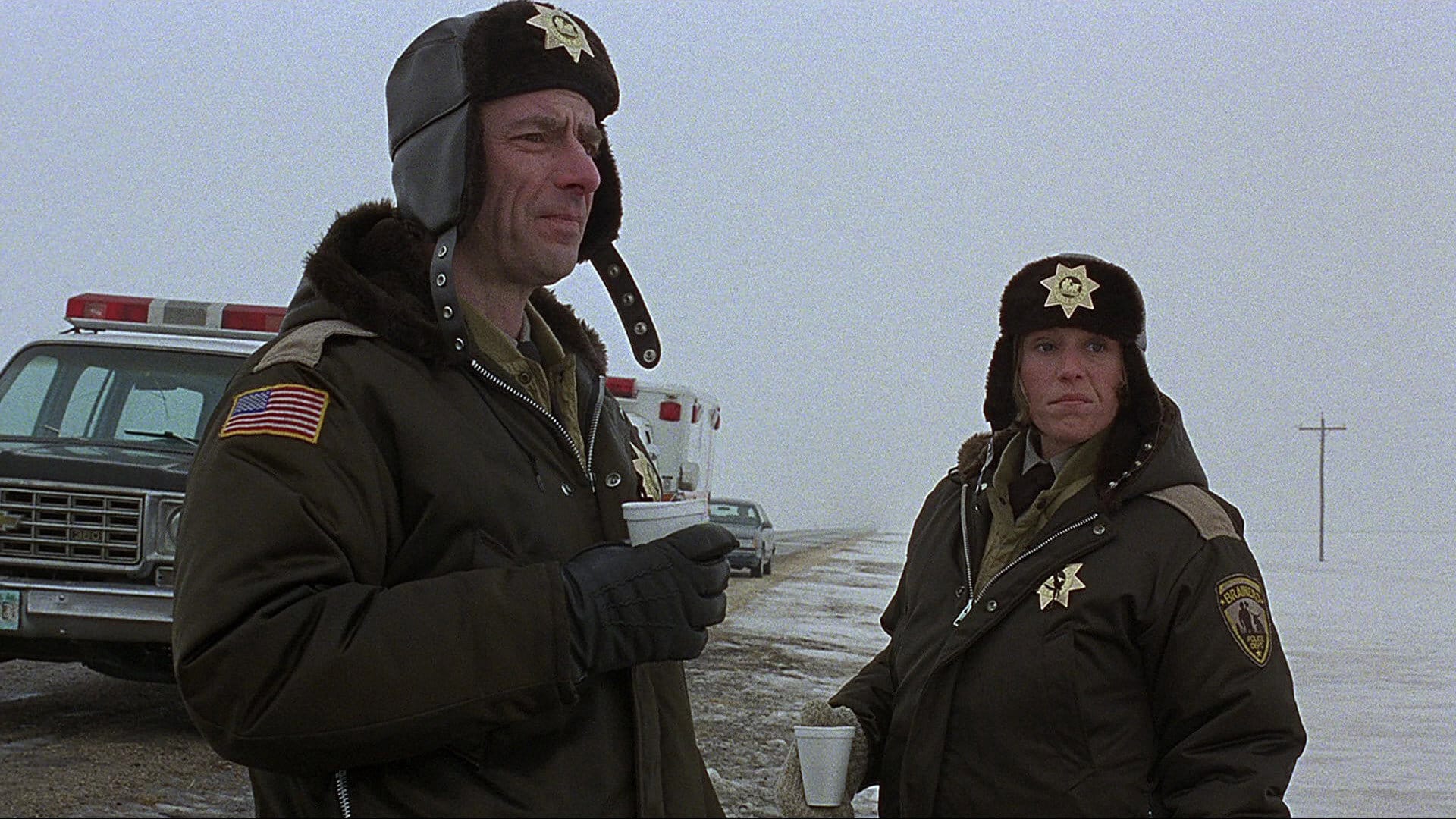
- Fargo
Meta-modernism
Finally, Meta-modernism accepts the post-modern stance that there are no objective metanarratives to the world, but rejects the conclusion that we just move on without any rules.
In a seemingly paradoxical way, both can be true: we can acknowledge that there are no real structures out there, while still choosing to act with sincerity even in the face of the irony of it all. It isn’t a simple return to modernism because we accept the search is pointless, but it also isn’t postmodern because we choose to act anyway.
Meta-modernism says: “I acknowledge there’s no underlying order to things, but that doesn’t stop me from making up my own rules.”
In the Grand Budapest Hotel, Monsieur Gustave’s commitment to kindness and civility is treated as genuinely worthwhile, even though we can see how technically futile it is when faced with the grey-coat militarised fascists. The film nonetheless treats his actions as commendable, not pointless.
Other meta-modern films include:
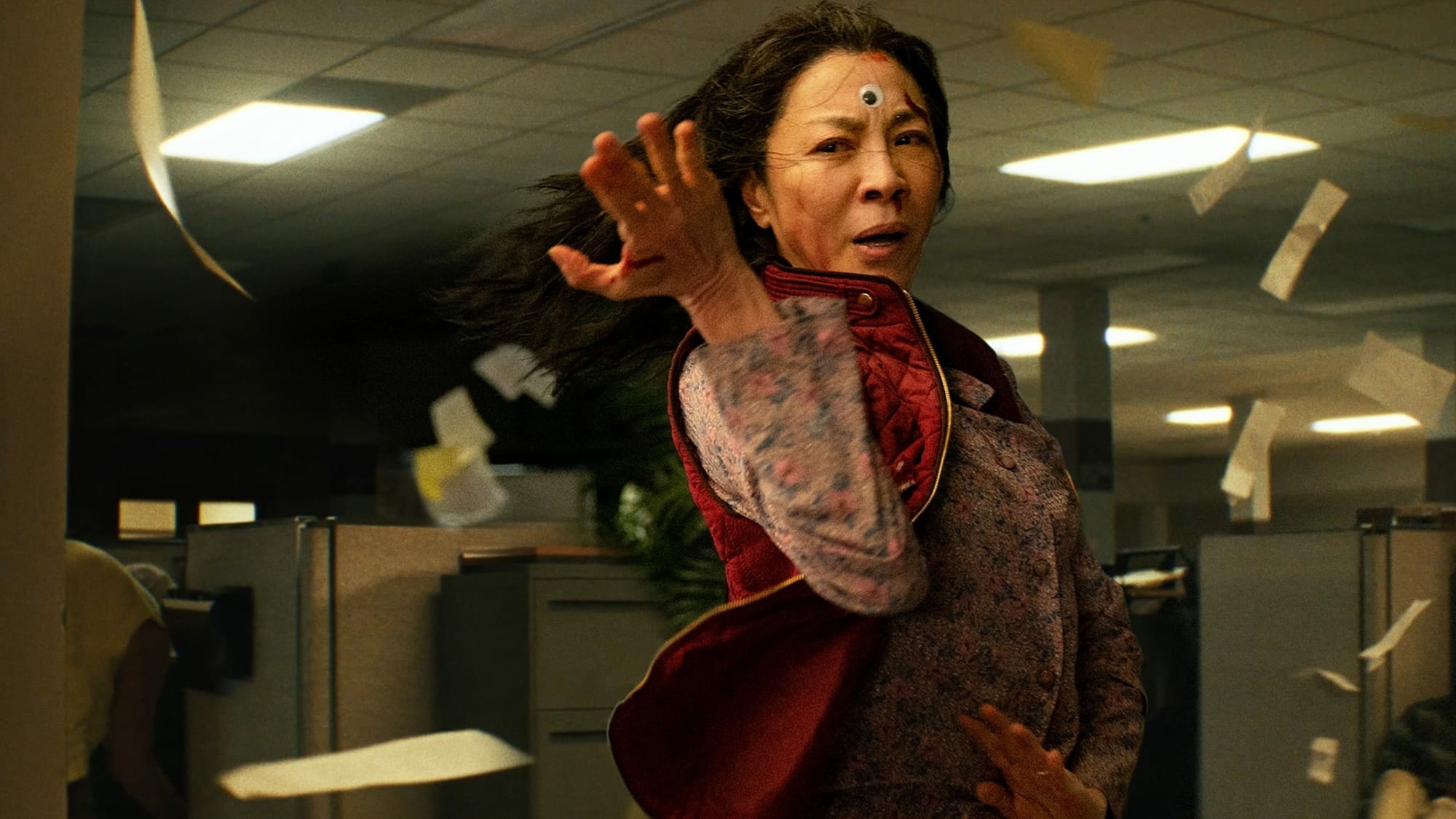
- Everything Everywhere All At Once
- Eternal Sunshine of the Spotless Mind
- The Tree of Life
So, to conclude, Metanarrative is a big overarching story that explains why the world is the way it is. Pre-modern stories have a metanarrative, while Modern stories doubt if there is one, but strive to find one; Post-modern stories reject that there is one, for better or worse, and Meta-modern stories accept there isn’t one, but choose to make one anyway.