What Will I Become? | BFI Flare 2026
A tender and moving tribute to trans masculine youth, which holds the weight of its subject matter while never veering into sensationalism.


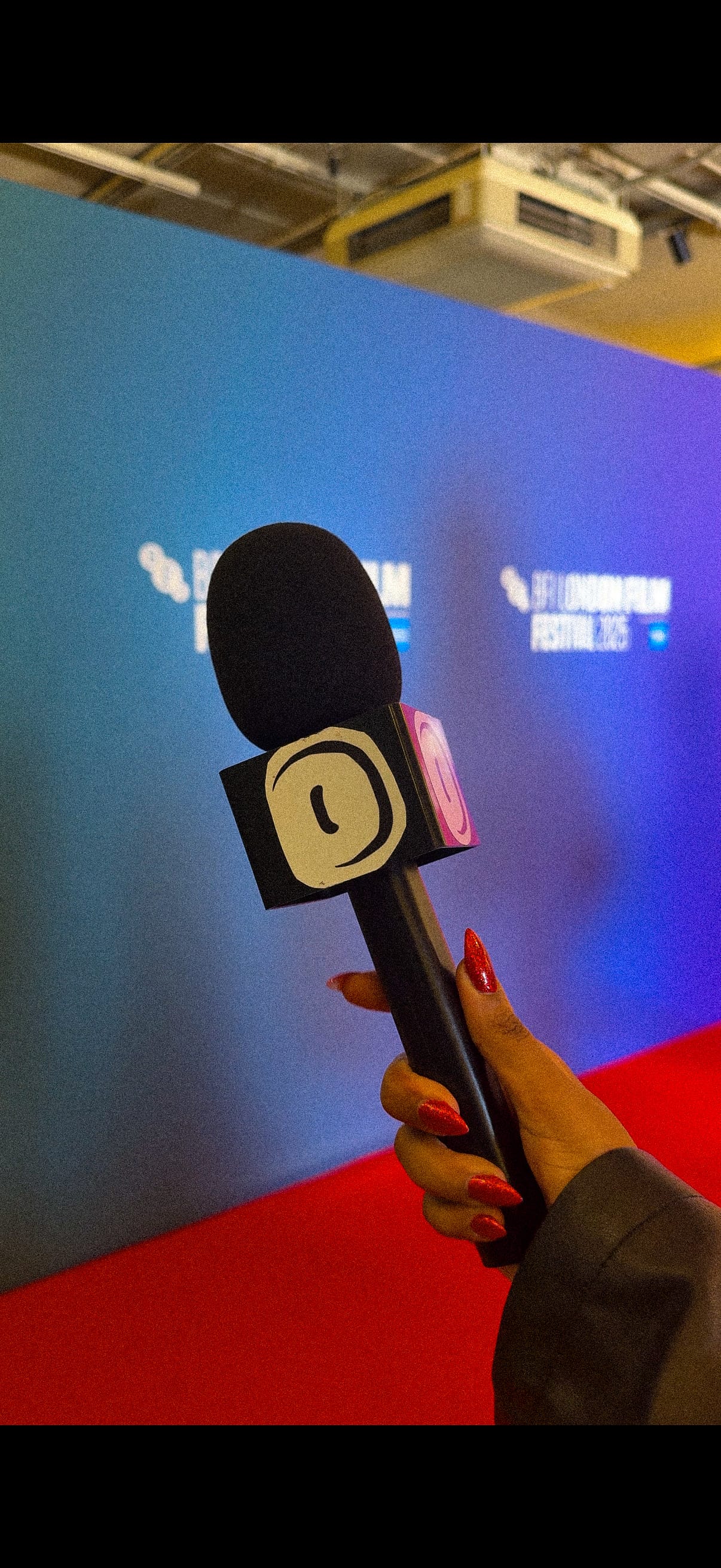
During the flare festival, I had the privilege of meeting and interviewing Lexie Bean, an author and multimedia artist, and Logan Rozos, an actor and artist, the filmmakers behind What Will I Become? The interview will be published as an episode of OBSCURAE’s podcast, Sophisticulture.
In a shocking statistic, 50.8% of trans boys in the US attempt suicide. What Will I Become? is a documentary that centres around Blake Brockington and Kyler Prescott, who died by suicide in 2015, aged 18 and 14 respectively. Throughout the course of What Will I Become?, we come to know these two talented, incredibly loved boys, and the joy they experienced and brought to those around them, as well as the medical discrimination, bullying, and bigotry they endured.
Blake was an activist, musician, and active Tumblr blogger, posting frequently, and in 2014, he made history by running for (and winning) homecoming king. Through both the amazing footage taken of Blake by his classmates and his Tumblr posts, we can experience much of Blake’s story in his own words. This footage is so incredibly visceral, showing Blake to be so vital, present, and self-assured that at times it's hard to believe that he is no longer with us. The heartbreaking reminders come through the interviews with his loved ones - his friends, his mentor at band camp, his rugby coach - where they speak of him in the past tense.
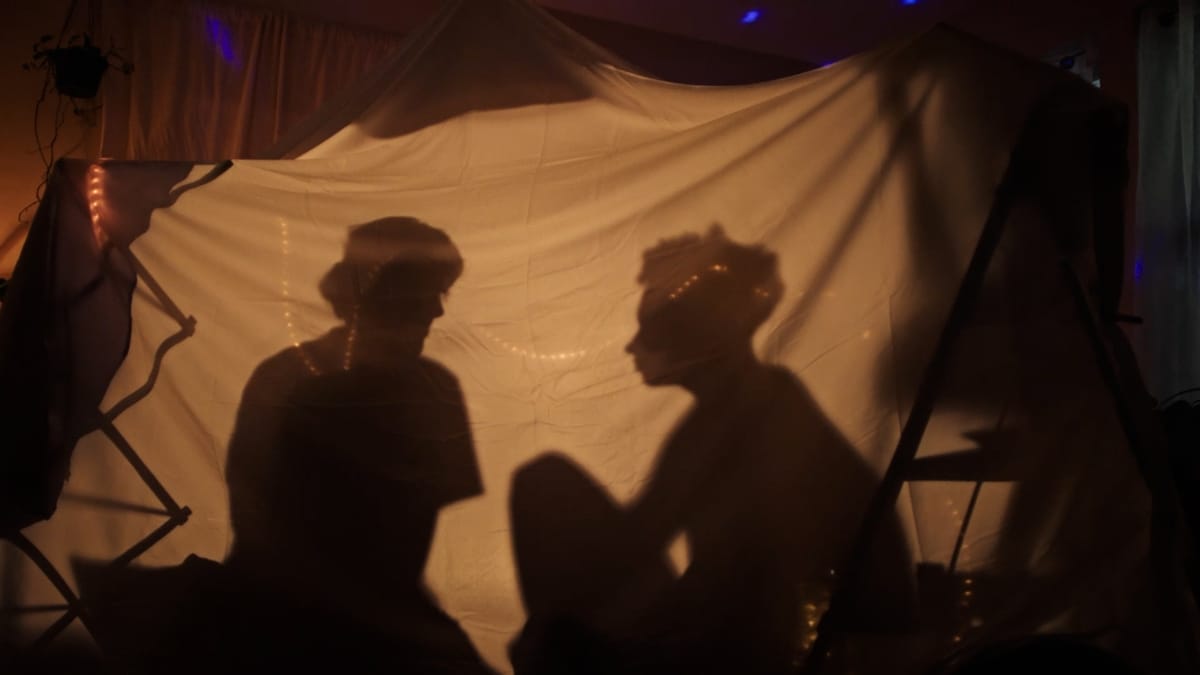
Kyler was a poet, pianist, and artist who had a deep empathy for and connection to animals. He did not like to be photographed or appear on video, so his story is instead mostly told through animated sequences and detailed, intimate interviews with his parents. As Kyler was a gifted pianist, he is portrayed as a figure made up of moving sheet music, which I thought was a beautiful touch. The animated sequences were a personal highlight for me, with motion design and animation by Juan Pablo Rozo, and stop motion by Daniel Lobb. In our interview, Lexie said that the thinking behind the use of stop motion was that, by its nature, stop motion involves “real tangible objects that take up space, that existed in time, and are still sitting somewhere, and the tactile nature [of stop motion] is an important homage to the fact that Kyler too took up physical space, and was a tangible person.” This creative choice - and the reasoning behind it - is just one of many that exemplify the deep thoughtfulness and care taken with this project.
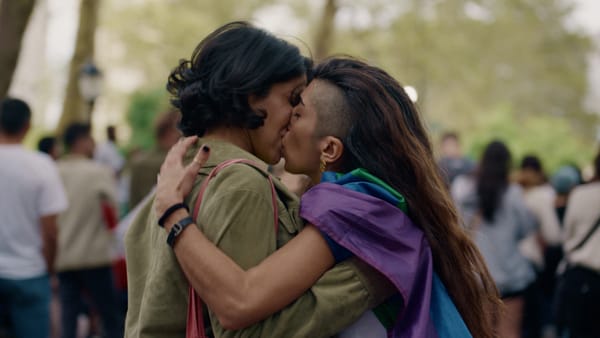
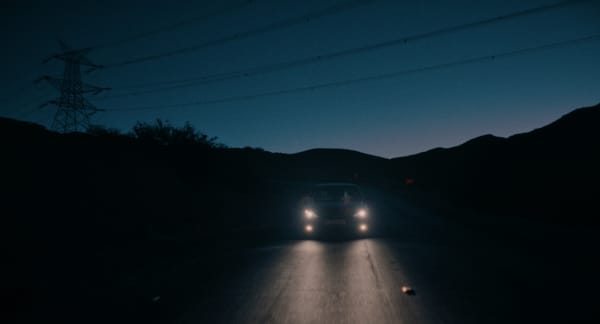
Throughout the course of the film, we also learn about the filmmakers’ own relationship to gender identity, and meet other trans and non-binary people who allow us to share in their experiences of community. These include Eppchez, a puppet-maker who creates unconventional and imaginatively designed personalised packers to be put inside underwear to create a bulge, Awkweley, who received life-saving support from the Trans Lifeline helpline, and Gibran, an older trans man who organises hikes for other trans men - “The T-Man group”. It is joyous and necessary to see these examples of trans people thriving, freely expressing themselves and their identities, even as these moments are juxtaposed with the rampant transphobia in broader society; we meet one of eppchez's customers Jihade, a trans male non-binary person living in Morocco, where trans people risk facing three years in prison for “breaking cultural laws”, and as Gibran drives Lexie and Logan to meet the T-Man group, the car radio plays a news report detailing the latest bills placing restrictions on drag shows and banning trans-affirming healthcare.
There are many moments in this film that are truly heart-wrenching, whilst never feeling exploitative or sensationalist. It is clear that the filmmakers were committed to honouring their subjects and celebrating their lives, their art, and the impact they made on those who love them, whilst also never shying away from interrogating the injustices and violations that contributed to their deaths. At one point in the film, when asked how she copes with what happened to her son, Kyler’s mother, Katherine, says she has to think not just of the time she lost him, but of all the times she kept him there. This balancing of grief and discrimination alongside hope, community, and love is a delicate one, and one which I felt the filmmakers handled brilliantly.
The film closes by posing a question for us all to ask ourselves, “What will I become?”, before displaying a link to a range of resources, including organisations, reading materials, and mutual aid, www.WWIBDoc.com. This title question and the sharing of ways to help ourselves and others remind us of how much we can do, and how much still needs to be done. I am so glad of the recognition that What Will I Become? has already received - winning two special jury prizes at Berlinale, and soon to be receiving its Asia Premiere at Jeonju International Film Fest - and very much hope that this is just the beginning. This is a vital, beautiful film, a piece of activism in motion as well as art, and one that should be seen on as wide a scale as possible.
Buy us a coffee (or two!), and fuel our work - for £5 a month you can help us keep OBSCURAE’S independence alive.