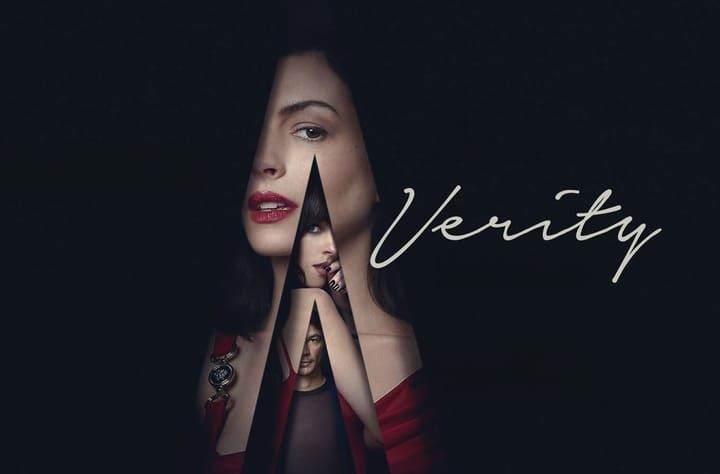
Based on Colleen Hoover's 2018 bestselling psychological thriller novel of the same name, Verity arrives on the big screen with a story I was completely unfamiliar with. Having never read the novel or knowing anything about its plot, its characters, or the twists waiting around the corner, I went into this adaptation entirely blind with no idea what to expect. Unfortunately, that lack of familiarity didn't work in the film's favour for me.
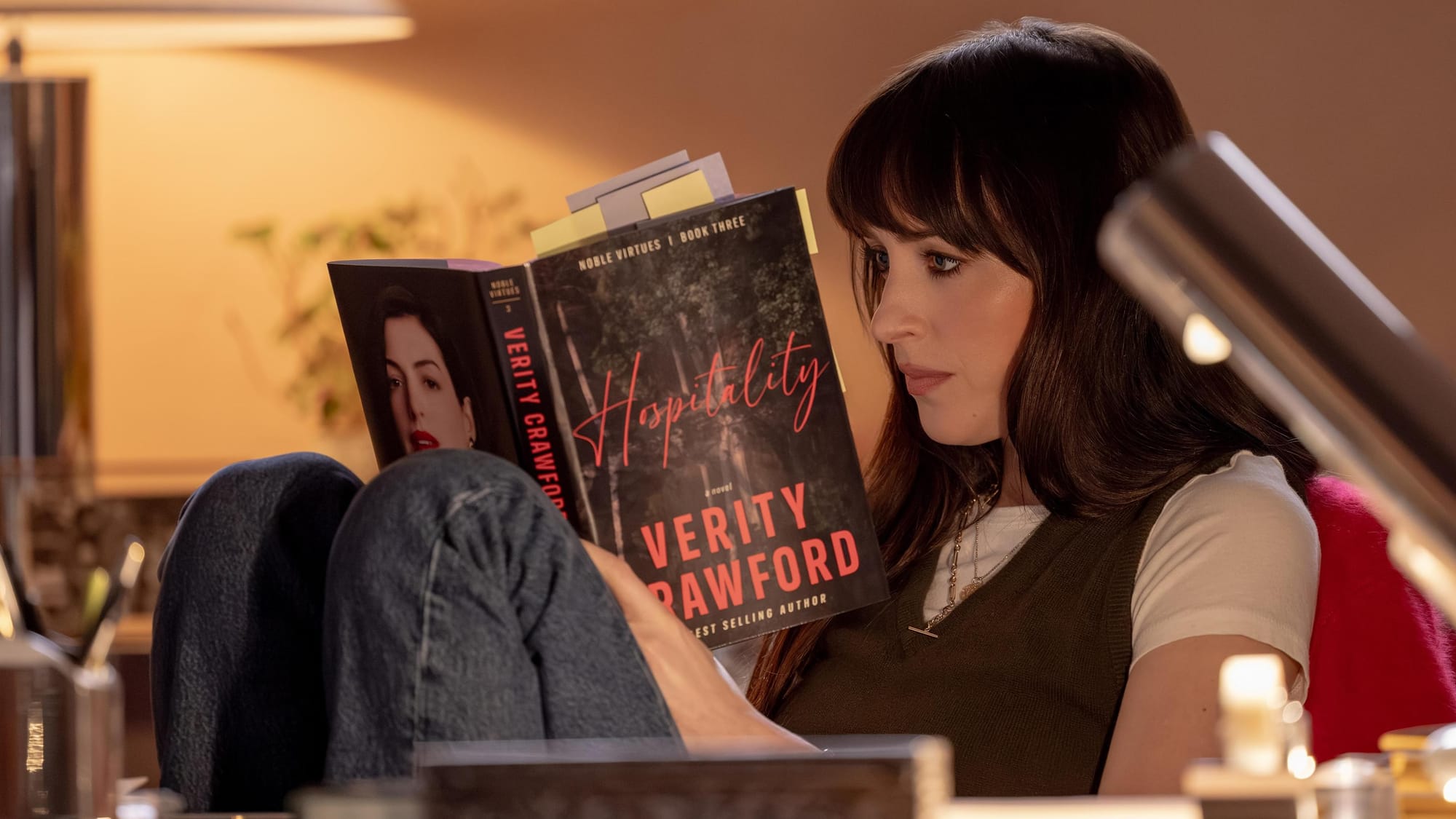
The story follows Lowen Ashleigh, a struggling writer who is given an unexpected opportunity when she is hired to complete a bestselling book series for the original author, Verity Crawford, who is unable to finish it due to experiencing a devastating car accident. However, while staying with Verity’s husband Jeremy and their young son, Lowen begins uncovering disturbing secrets hidden within the family's seemingly perfect life. Forcing her to question everything she thinks she knows.
Rather than discovering a psychological thriller that felt fresh and unpredictable, I found myself watching a story built around familiar tropes and plot beats that have already been explored countless times before. If a supposedly shocking plot twist happens and not a single person in the theatre gasps, you know the story has done something wrong - and its a shame, because Verity occasionally reaches for that unpredictability, but too often it falls back on familiar territory resulting in audiences to be completely tuned out and not be surprised with anything the story had to offer. Bringing me to a much bigger issue I have when it comes to certain bestselling book adaptations.
Just because a book is successful doesn't necessarily mean its story will feel fresh when translated onto the big screen.
A novel can become a bestseller because of its characters, writing style, themes, or the way it connects with its particular readership, but when that same story is removed from the page and placed in a visual medium, some of those strengths can disappear - which is why I strongly encourage all studios to take more chances on books with genuinely unconventional stories that can actually surprise an audience that has already seen countless psychological thrillers before. If we're going to spend two hours watching a mystery unfold, the film should aim to challenge your assumptions, pull the rug out from underneath you, and give you a memorable theatre experience. Sadly, this adaptation just wasn't that in the slightest.
Support our work
You can subscribe to the OBSCURAE newsletter for free, or become a paid Aficionado for £5/month to help fund independent coverage, contributor fees, site hosting, and admin costs.