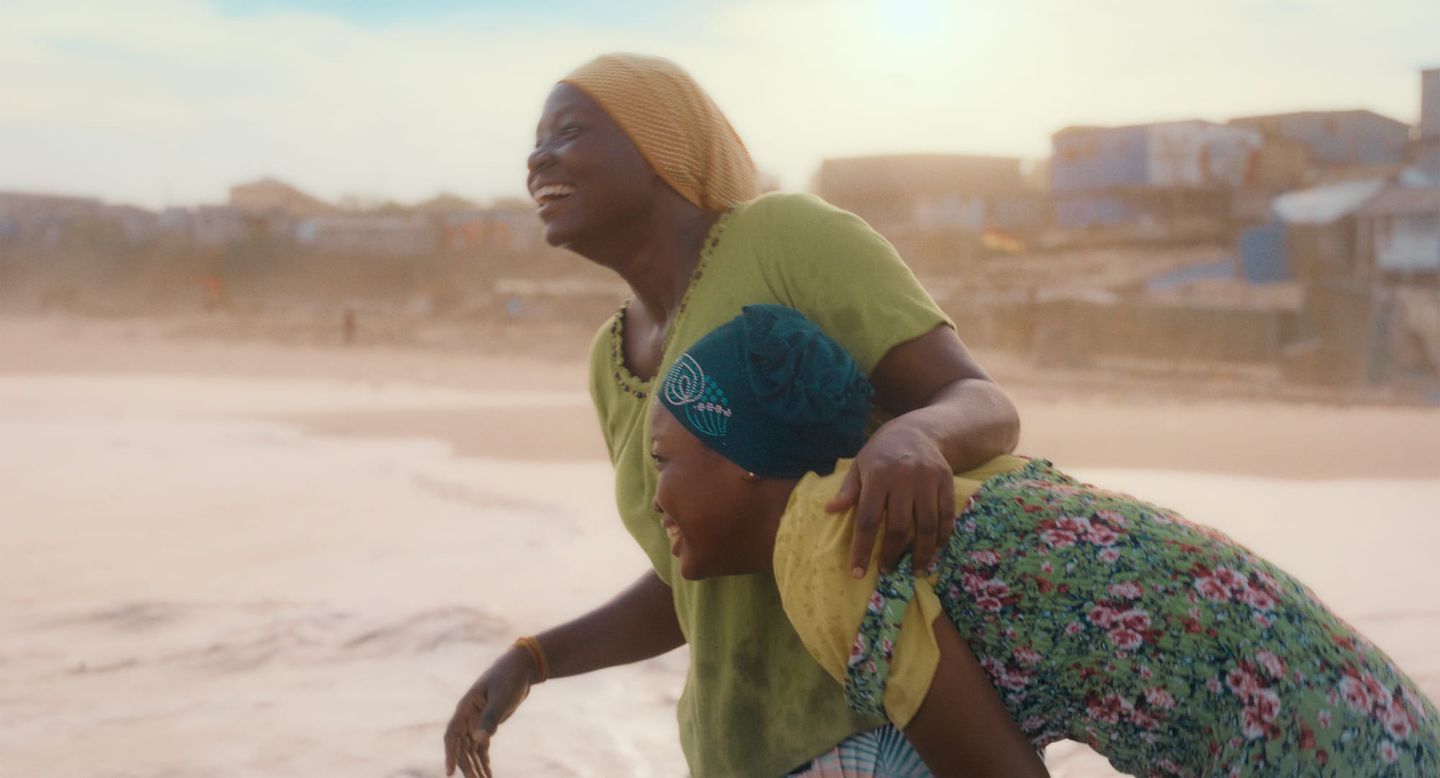
Zjili: A Story of Sisterhood and The Burdens of Excess is a film interested in the lives that exist beneath the surface of Accra’s sprawling secondhand clothing trade. Following three women whose lives intersect through the punishing work of carrying clothing through Kantamanto Market, the film finds a way to address exploitation, migration, poverty, and environmental excess without reducing its subjects to simply being symbols of any of these issues.
Directed by Christine Boateng and Hajara Musah Chambas, Zjili carries a story that has been carefully researched and closely observed. That grounding is particularly important given the film’s subject. The directors’ backgrounds are reflected in the depth of attention given to the women, their communities, and the systems surrounding their work. It is clear how much consideration has gone into understanding these lives beyond the surface of the market itself. Rather than treating the experience simply as a striking social issue, the filmmakers have clearly taken the time to understand the economic, familial, and environmental conditions that shape it: the pressures of supporting relatives from afar, the precariousness of life around the market, the circulation and afterlife of secondhand clothing, and the difficult choices that lead women into this work.
That research gives the film a strong sense of specificity. The directors understand the physical demands placed on kayayei, women who work as porters and carry enormous loads of secondhand clothing on their heads, but the film is equally attentive to everything that exists around that labour including the futures being postponed, the relationships being formed, and the ambitions that survive despite the exhausting circumstances. There is a lot of care in the way these details have been woven into the narrative, allowing the social realities to inform the characters without reducing them to case studies. The result feels informed and compassionate without romanticizing the hardship.
At the centre is Zoya, a young woman who leaves her village after resisting a marriage arranged for her, arriving in Accra determined to continue her educationm. Her ambition could easily have been played as an uncomplicated symbol of youthful hope, but Zjili gives it more texture. Zoya is vulnerable, stubborn, frightened, and determined, often all within the same scene. Rahana Abdallah brings an especially affecting naturalism to the role. Her performance captures the awkwardness of someone trying to construct a future while suddenly having to learn how to survive the difficulties of the present. There is a fierce intelligence in her performance that makes Zoya’s aspirations feel believable.
Through Zoya, the film opens into the lives of the women around her. She encounters Teiya (Esinam Semordzi), a young mother balancing kayayei work and hoping to eventually open a hair salon. She also meets Chalpang (Zaharawu Fuseini), her landlady, whose present life is shaped by wounds from the past. As their lives intersect, the three women form an unexpected bond that speaks to the different ways hardship, ambition, and resilience can pass between generations. These three central women at the core of the story have different histories and motivations, and Zjili allows those differences to matter.
While Zjili does ask us to care about the real women whose experiences inform the story, it does not stop there. Its fictional characters become fully inhabited people in their own right. As an audience, we have a genuine emotional stake in what happens to Zoya and the women around her, not just because they embody a larger real-life social issue, but because the film gives us time to understand their distinct personalities, pasts, and hopes.
Visually, Zjili is just as attentive to the world its characters inhabit. The mountains of secondhand clothing, the crowded markets, and the vivid colours of the garments create an environment that is simultaneously beautiful and oppressive, bringing a sense of warmth and energy to a setting shaped by relentless physical labour. This visual richness does not soften the realities of these women’s lives and instead, it reflects the fullness of the world they have built for themselves within their circumstances. Their lives contain exhaustion and uncertainty, but also humour, intimacy, colour, and possibility. While highlighting some deep-rooted issues, the film also presents so much lived joy that is felt through the screen and its vividness.
There are moments when Zjili is carrying a great deal at once: environmental waste, economic precarity, migration, family responsibility, and the aspirations of young women trying to determine their own futures. Yet the film’s strongest quality is its refusal to let those larger issues eclipse the people living through them. What stays with me is not the scale of the problems surrounding these women, but the intimacy of the relationships they form in spite of them. Zjili ultimately finds its emotional power in that tension, how the world places enormous burdens on these women, but their capacity to support, challenge, and make space for one another gives the film its sense of hope that lingers long after watching.
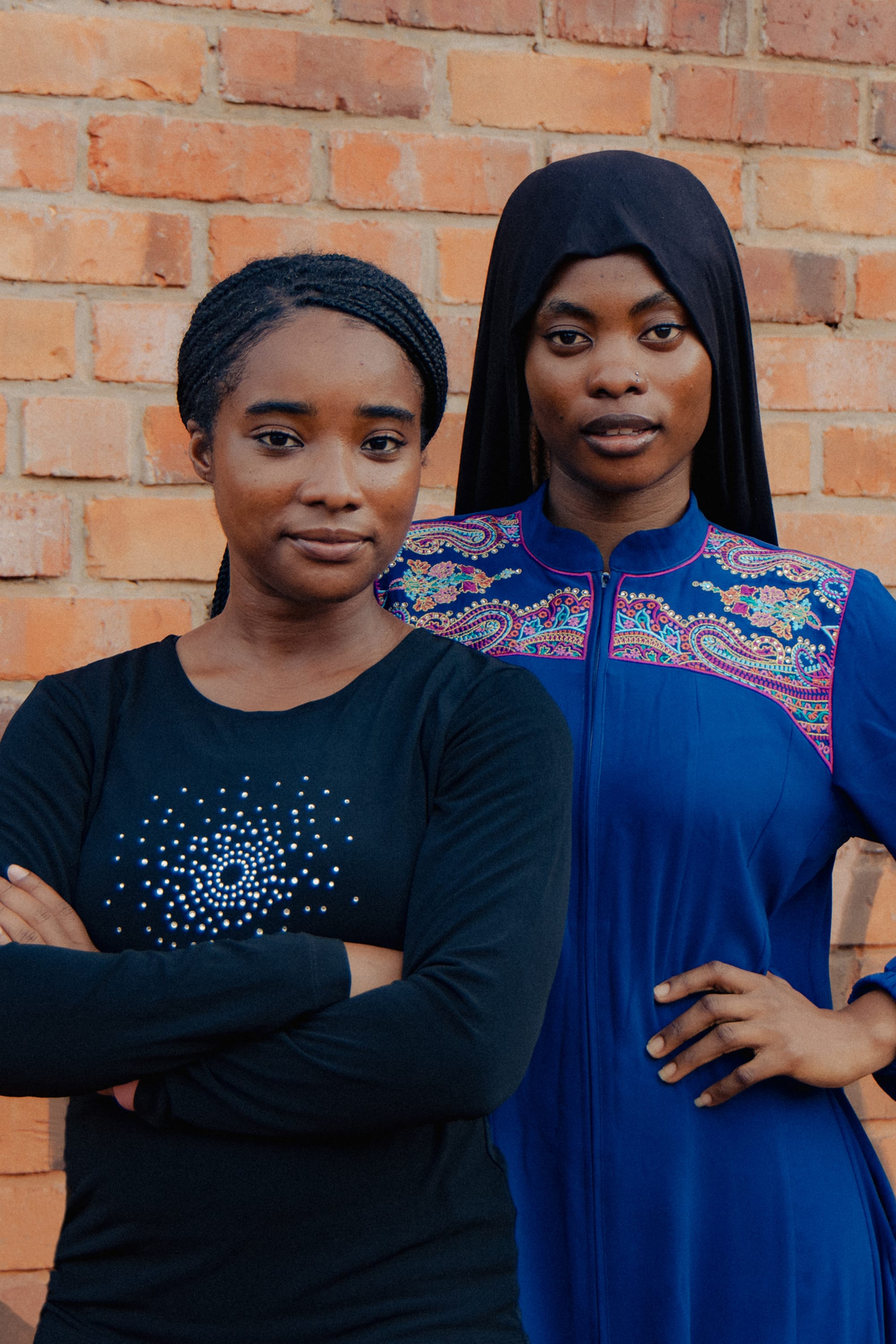
The film was produced by The Or Foundation, which is doing important work on the ground in Ghana around the global waste crisis related to fashion, and the communities impacted most by the issue. You can visit theor.org to find out more.
Support our work
You can subscribe to the OBSCURAE newsletter for free, or become a paid Aficionado for £5/month to help fund independent coverage, contributor fees, site hosting, and admin costs.