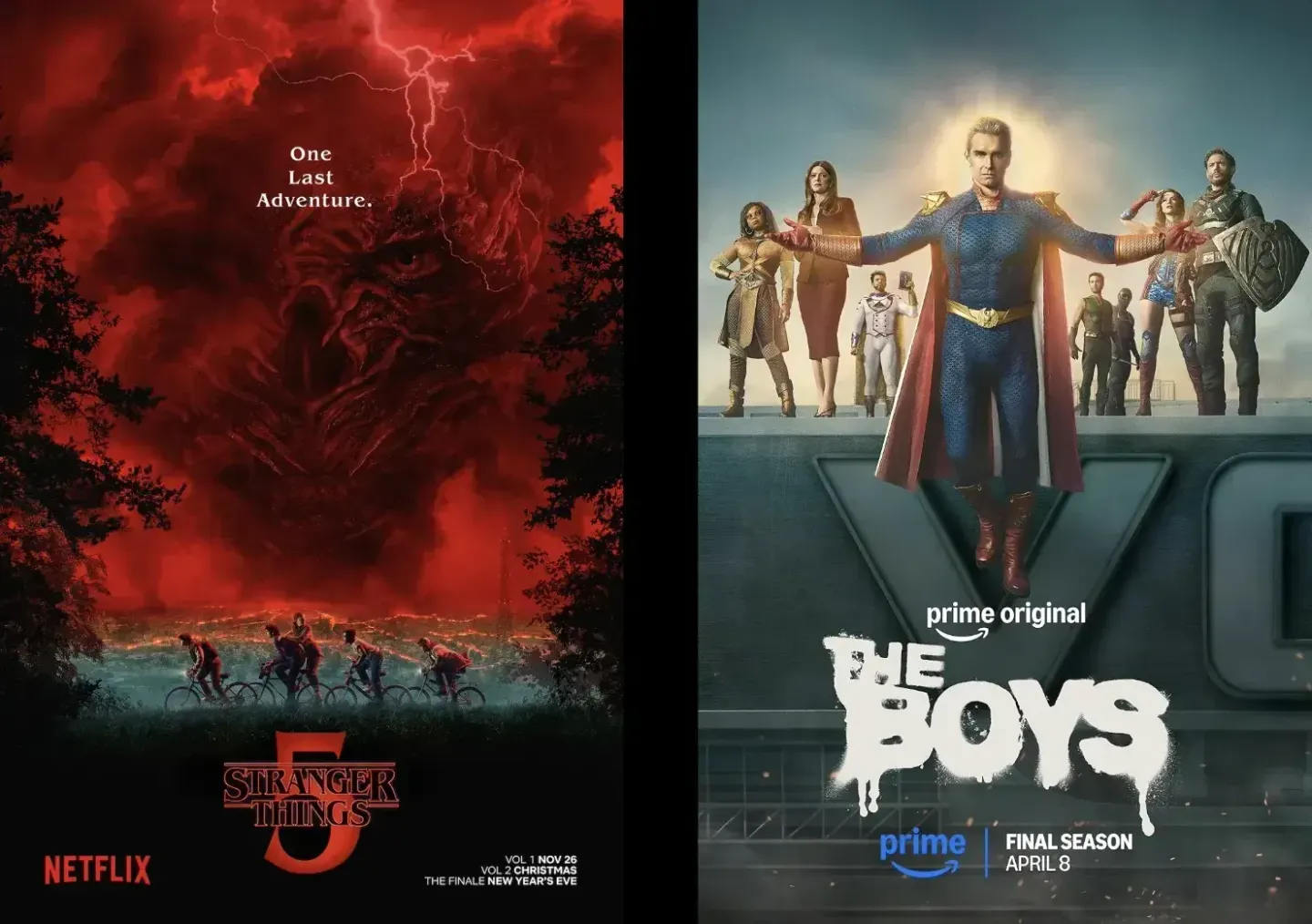
There is something really fascinating about watching a series slowly lose the main ingredients of what made it feel like a horror in the first place.
Both Stranger Things and The Boys began their stories with something truly terrifying at their core. They were funny, violent, packed with larger-than-life characters, and loaded with iconic moments - but beneath all of that lies a very common feeling.
Something is terribly wrong, and we have no idea what is going to happen next.
Stranger Things: From Horror Mystery To Superhero Spectacle
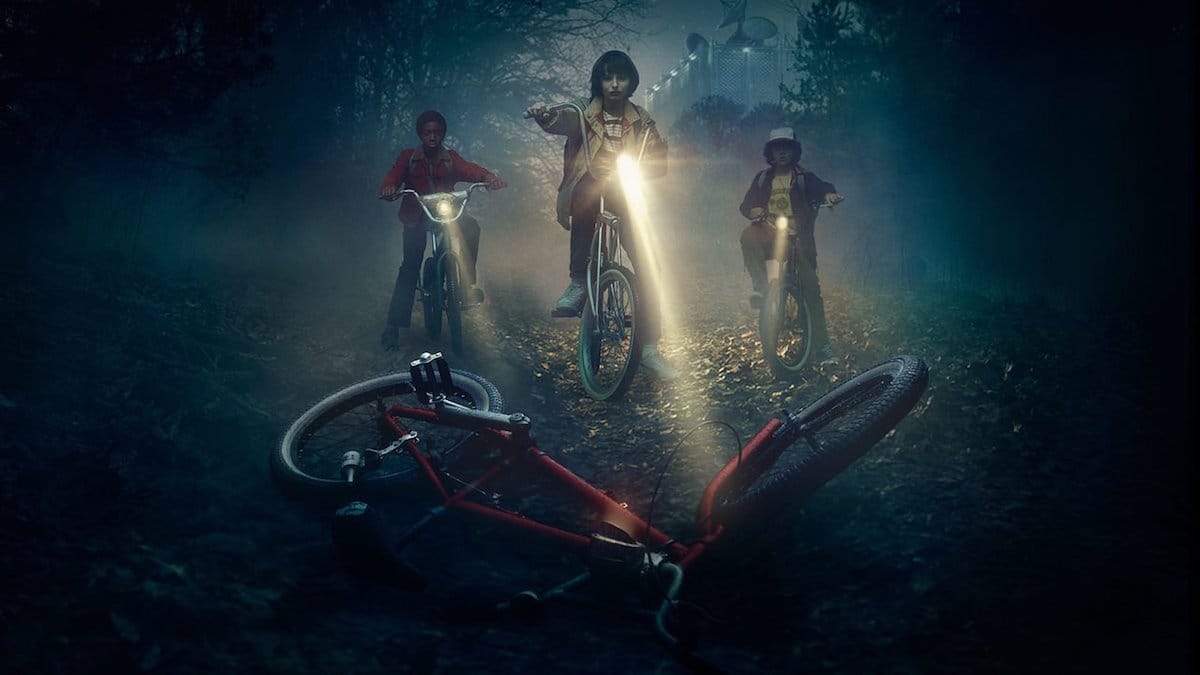
Season 1 of Stranger Things perfectly understood the main ingredient of what makes an effective horror story.
The less we see or know, the scarier something becomes.
The Demogorgon was terrifying mainly due to the fact that we barely understood it. The Upside Down felt like somewhere humans were never supposed to be. Lights flickering inside the Byers house, something moving behind a wall, and Will's disappearance created an atmosphere of genuine uncertainty which constantly made you ask: What is happening? and eager to solve the mystery alongside the characters. Season 2 also succeeds with maintaining this atmosphere. Will's possession, the Mind Flayer, and the expanding mystery of the Upside Down continued to feel even more dangerous and unfamiliar.
However, as the series progressed, its priorities began to change. The mythology became increasingly explained, the characters became increasingly capable, the monsters became increasingly familiar, and the action became increasingly spectacular. Eventually, Stranger Things began to resemble a superhero adventure story with horror aesthetics.
Eleven in particular gradually shifted from being a frightened child with extraordinary abilities into something much closer to a traditional superhero. Horror thrives on vulnerability, when the characters become more powerful and the audience becomes more familiar with the threat, the fear naturally begins to diminish.
The Boys: The Ticking Time Bomb That Never Exploded
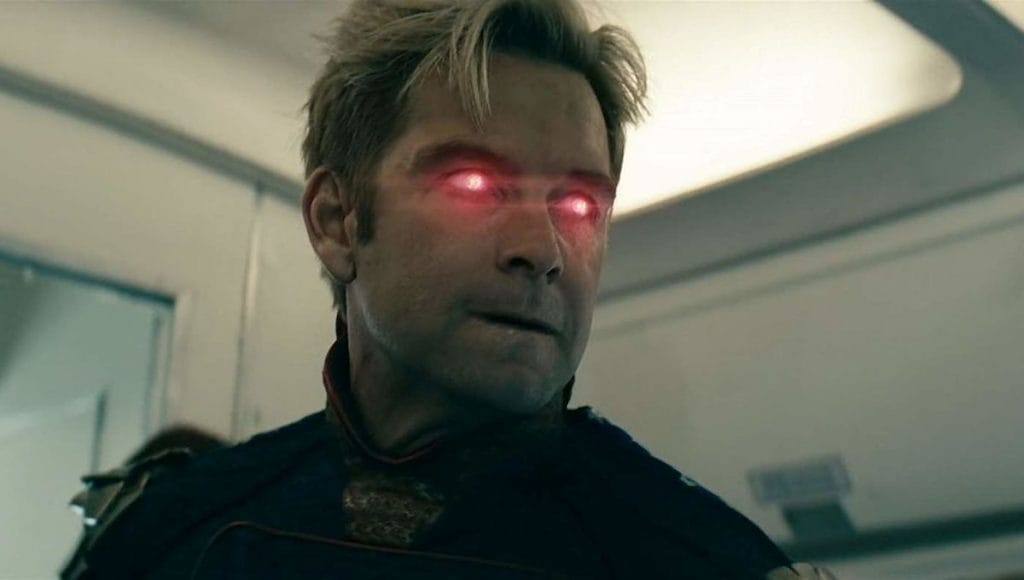
The same thing happened with The Boys, although in a completely different way. Homelander in Season 1 was genuinely terrifying - and what made him terrifying was not simply because he was powerful. It was because he was unpredictable.
You never quite knew whether he was going to walk away from a situation, intimidate someone, or suddenly do something irreversible. Every interaction carried the possibility that this incredibly powerful man could simply lose control at any given moment - making the character feel like a walking time bomb constantly ticking away as the audience anxiously anticipates the moment he finally explodes.
But as the series progressed, Homelander increasingly became something else. A source of comedy - and to be clear, there is nothing inherently wrong with that. Most of the show's funniest moments come from Homelander's absurd behaviour. However, having too much comedy changes our relationship with the character.
If you repeatedly laugh at the monster, eventually you become comfortable around it.
The Real Problem: The Monsters Lost Their Fear Factor
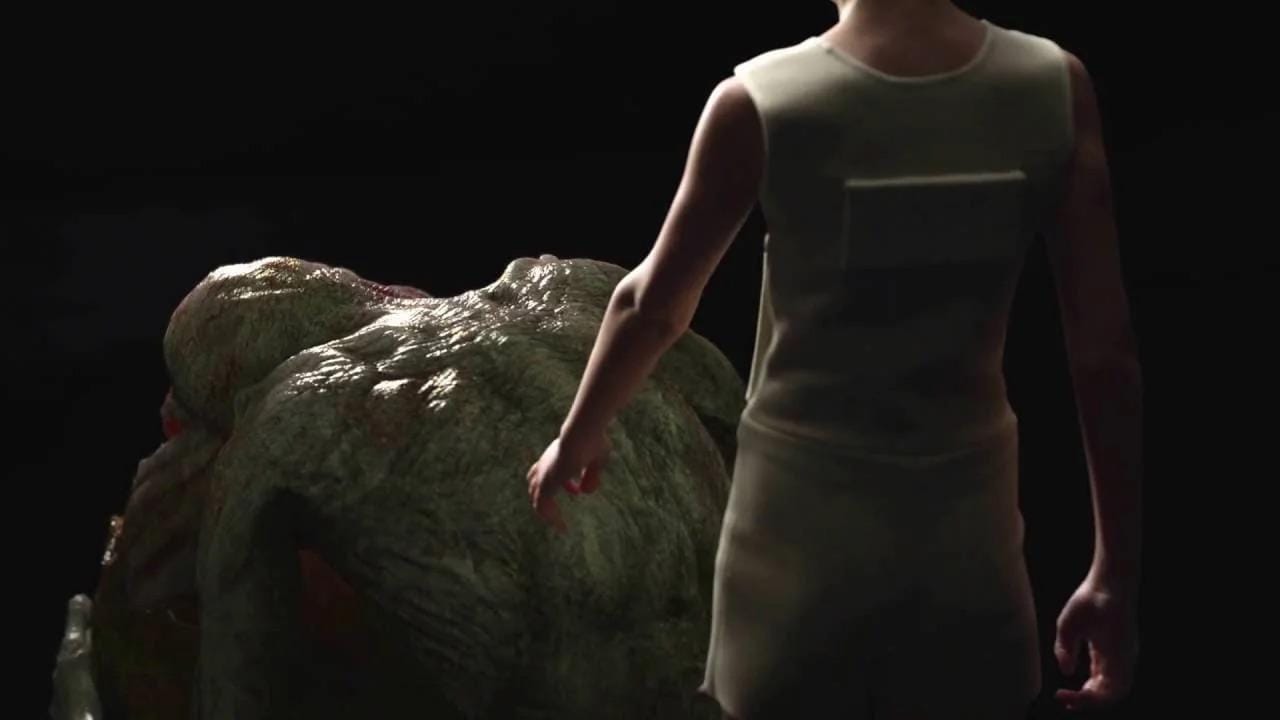
This is the biggest similarity between the two shows. Both gradually turned their monsters into characters rather than threats.
The Demogorgon originally felt like an animal. It had mystery, unpredictability, and an almost primal quality - but there was also something distinctly alien about it. We had no idea where it came from, what it wanted or what it was capable of, which made it feel like something that simply did not belong in our world. Only for that very creature that once represented the terrifying unknown of the Upside Down to ultimately being reduced to a monster under the command of a much bigger villain.
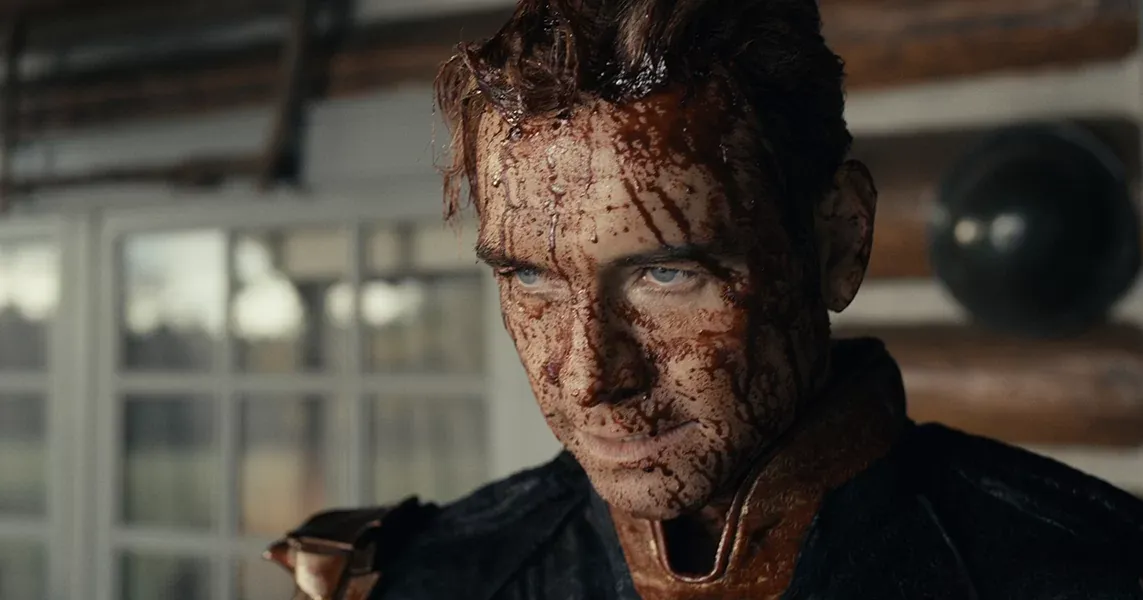
Likewise, early Homelander functioned primarily as a threat. Over time, we came to understand his insecurities, his desires, his habits and his patterns. More importantly, we began to recognise the pattern behind his threats. He would repeatedly suggest that he could kill everyone, destroy everything, or finally unleash the full extent of his power - only for the moment to pass without the explosion we had been anticipating for 5 whole seasons.
Ultimately, I do not think Stranger Things and The Boys needed to become darker. They simply just needed to remain uncertain.
The early Stranger Things characters were children hiding from something they barely understood - while early The Boys characters were ordinary people living underneath beings who possessed godlike power. That imbalance created fear.
As both shows became bigger, funnier, and more spectacular they also became more familiar. The monsters became characters, the threats became spectacles, and the unknown became the known. Maybe the real downfall was not because the horror disappeared completely.
It was that the horror stopped being the thing driving the story.
Support our work
You can subscribe to the OBSCURAE newsletter for free, or become a paid Aficionado for £5/month to help fund independent coverage, contributor fees, site hosting, and admin costs.