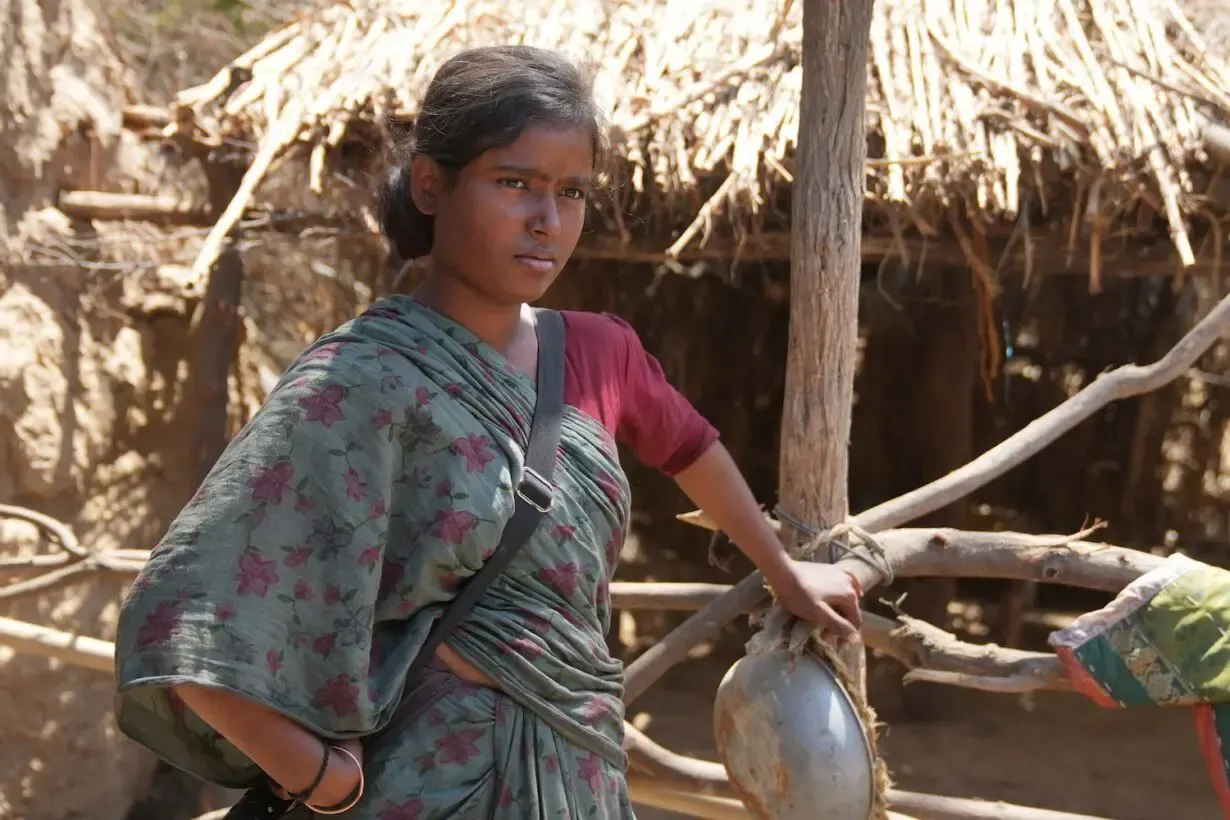
Richie Mehta’s Phoolan tells the story of Phoolan Devi, the infamous “Bandit Queen” of India, through an account of one of the most consequential periods of her life. After years of abuse, sexual violence, caste oppression, and mistreatment at the hands of those meant to protect her, Phoolan becomes an outlaw and eventually the leader of a gang. When the police close in on her and her companions, she is forced to confront both the violence of her past and the system determined to destroy her.

Phoolan’s story has been told on screen before, most notably through Shekhar Kapur’s 1994 film Bandit Queen, but Mehta takes a fascinatingly different approach. Rather than attempting to offer a comprehensive biography, Phoolan focuses on a very specific moment in her life, using that standoff as the present-day framework in the film. The story moves back and forth through time, revealing pieces of Phoolan’s past as they become necessary to understanding her. The non-linear structure gives us enough context to understand her anger, determination, and willingness to fight back without turning the film into a complete life story. It ends up giving it a narrative focus that I appreciated, examining the circumstances led her to where we see her in the film. She is undoubtedly capable of violence, yet the audience is reoeatedly forced to consider the violence enacted upon her throughout her life. Her experiences with sexual assault, caste discrimination, poverty, and institutional corruption are not presented as isolated injustices, and instead form the foundation of a system that has repeatedly failed her and countless women like her (and quite frankly continues to do so today across the world).
The film’s themes feel particularly timely in a world where women continue to face sexual violence while institutions meant to protect them fail to hold perpetrators accountable, and instead even enable them. Phoolan’s story offers an extreme, yet true and historical, example of what happens when someone who has been denied justice decides to pursue it herself. Her revenge is complicated, sometimes brutal, but the film understands and depicts the desperation behind it. There is something powerful in watching a woman who has been repeatedly told that her life has little value refuse to accept that judgment and take matters into her own hands. Sneha Kumari is remarkable in her debut role playing Phoolan Devi. She gives Phoolan a commanding presence without losing sight of her anger, fear, resilience, and determination. All this and more are visible in her performance, which is a standout aspect of the film.
Phoolan is not a definitive account of Phoolan Devi’s entire life, nor does it need to be. By narrowing its focus, Mehta creates an intense portrait of a woman shaped by violence who refuses to remain powerless. It is a compelling reminder that stories of revenge are often stories of denied justice first, and that the fight against oppression can begin with one person deciding they have endured enough.
Support our work
You can subscribe to the OBSCURAE newsletter for free, or become a paid Aficionado for £5/month to help fund independent coverage, contributor fees, site hosting, and admin costs.