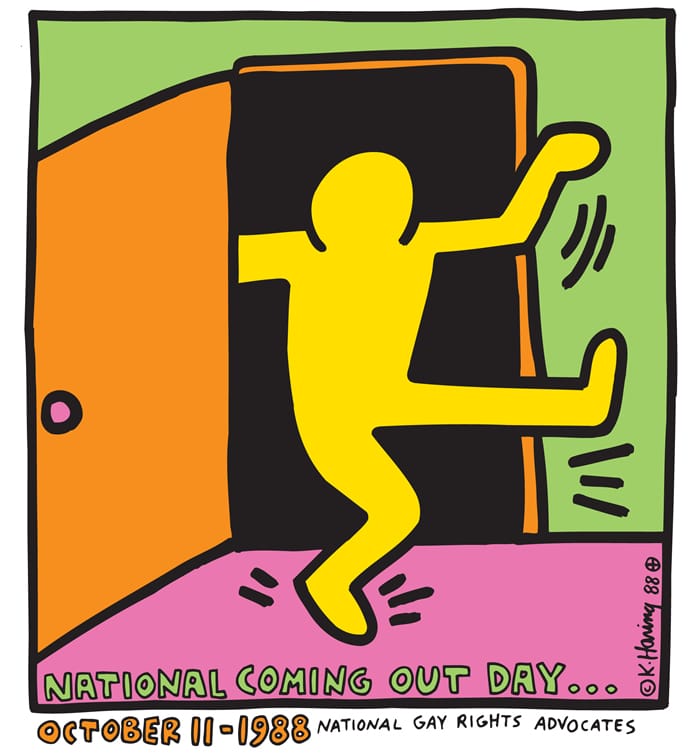
Observed annually on October 11, National Coming Out Day celebrates the LGBTQ+ community and the ongoing process of coming out, while recognizing the importance of visibility, self-determination, fighting homophobia, and the freedom to live openly.
First established in 1988 in the wake of the Gay Liberation Movement, National Coming Out Day emerged from the belief that coming out was the ultimate way to fight homophobia, forged from the feminist slogan “the personal is political.”
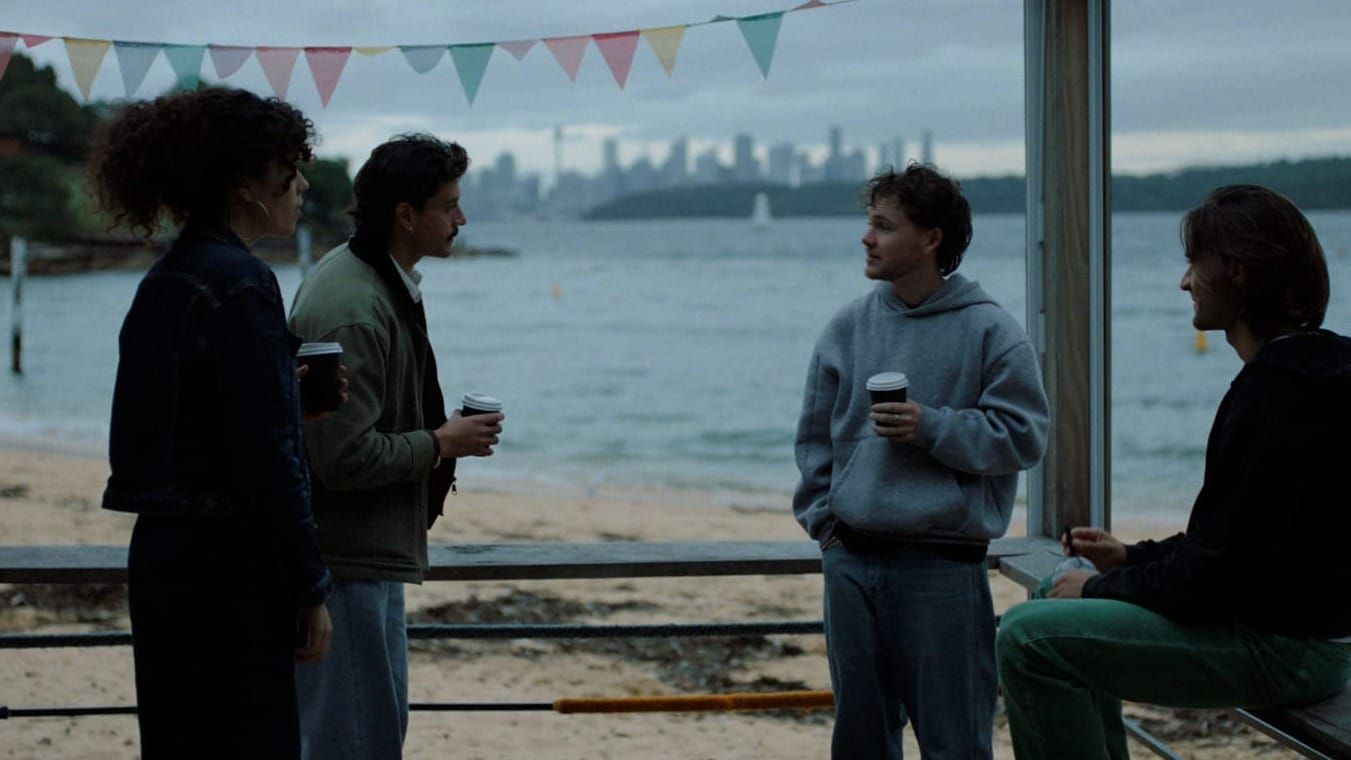
Written and directed by Roberto Nascimento, SITUATIONSHIP is queer vertical from Australia debuting today on National Coming Out Day. It follows Leo (Lawrence Hawkins), a recent law school graduate who moves back to Australia into a shared flat with his new roommate Max (Guy Vadas), whom Leo quickly falls for.
Who among us doesn’t love an unrequited-love-between-roommates story?
The series captures the heart-aching feelings that come with having a crush: the butterflies, the uncertainty, the longing, and that familiar oh my god, what have I gotten my heart into this time? feeling when you realize your feelings might be a little more complicated than you intended.
Lawrence Hawkins is particularly enchanting as Leo. His eyes are so expressive that he conveys the nuances of Leo’s feelings with seemingly remarkable ease, often expressing more through a look than through dialogue. Hawkins and Vadas share an easy onscreen chemistry that makes their dynamic as flatmates feel caring and sincere. Their connection is the series' emotional core, making even the smallest exchanges charged with tension and possibility.
Nascimento previously created and directed Sui Generis, a queer web series that explored contemporary dating and love across three seasons. That experience is evident in SITUATIONSHIP, where Nascimento depicts the quiet, tender moments of characters working to understand themselves and their desires.
The main challenges with SITUATIONSHIP stem from the demands of shooting for a vertical format. Some of the transitions between episodes make Leo and Max’s respective journeys feel a little clunky, interrupting the narrative flow. This is one of the limitations that can come with episodic storytelling designed for short-form viewing, rather than a reflection of the merits of Nascimento’s direction. The cinematography and colour-grading are particularly impressive for the format. Vertical series can sometimes feel visually restrictive (or at worst clinical), but SITUATIONSHIP makes good use of its locations, building a richly textured and expansive world than the format is typically known for.
The earlier episodes dip into dreamy sequences that contrast with the more grounded approach the rest of the series carries. While these moments offer a glimpse into Leo’s interior world, SITUATIONSHIP is strongest when it trusts the chemistry between its protagonists and allows their feelings to unfold through the rhythms of everyday life.
Despite its technical challenges, SITUATIONSHIP is a lovely story about exploring queer connection and identity. Truthfully, I wish it had more episodes. I would happily spend more time with these characters and I would love to see Nascimento could create for a feature length project.
At a time when LGBTQ+ rights and freedoms are increasingly under attack, queer storytelling matters for reasons that extend far beyond representation. Our stories offer us landscapes in which to recognize ourselves and celebrate our bodies, love, kinship, intimacy, and romance. Seeing our stories on any kind of screen can be profoundly affirming (for a more comprehensive exploration of just how personal and hope-giving these viewing experiences can be, check out my recent deep dive on Camp Miasma.)
You may– like me– have some feelings about verticals that keep you from watching them. Many are designed to keep you scrolling, dangling the next episode just out of reach or locking it behind a paywall. And as the space is becoming increasingly saturated with AI-generated content it raises further ethical concerns about what people are consuming.
But hear me out: SITUATIONSHIP is different.
It’s the antithesis– the antidote– to the vertical slop we’re often served on our feeds, offering a character-driven queer story that has evidentially been crafted with care. And it’s one worth supporting.
For emerging filmmakers, the appeal of vertical storytelling is as much practical as it is creative. With production budgets tightening and opportunities to make independent films becoming increasingly difficult to secure, verticals offer a way to tell stories without waiting for the resources, institutional support, or industry recognition that a short or feature film might require.
The format lends itself to contained narratives, smaller casts, and fewer locations, allowing filmmakers to work within more manageable budgets and compressed shooting schedules. A project that might otherwise require weeks of production can sometimes be filmed in a matter of days, making it possible to create a story with a fraction of the resources.
For queer filmmakers, whose stories have historically been marginalized or filtered through the expectations of mainstream studios and distributors, these possibilities matter. A short, serialized narrative can introduce characters and relationships in the same digital spaces where audiences are already sharing their own experiences, creating opportunities for conversing, connecting, and community building.
None of this makes verticals a replacement for short films or features, nor does it guarantee creative freedom in a commercial landscape increasingly shaped by algorithms and audience-retention metrics. But it does create another route from an idea to an audience, one that allows more filmmakers to participate in shaping the stories we see on our screens.
SITUATIONSHIP is a sweet, intimate story best enjoyed at your own pace, whether you're curled up on the couch or watching from the comfort of your bed. The series comprises 26 episodes of approximately one minute each, with the first episodes available to stream now on TikTok and YouTube and more arriving over the following days.
If you're looking for a some queer yearning to brighten your feed this National Coming Out Day, Leo and Max might be just the crushes you've been waiting for.
Support our work
You can subscribe to the OBSCURAE newsletter for free, or become a paid Aficionado for £5/month to help fund independent coverage, contributor fees, site hosting, and admin costs.