This review contains spoilers for the season finale of The Vampire Lestat.
After the beheading that abruptly ended “Montreal”, Louis (Jacob Anderson) and Lestat (Sam Reid) spend much of the finale in separate hells. Louis is physically imprisoned by Armand (Assad Zaman), his severed head kept alive while his former companion dissects the remains of their sham of a relationship and demands apologies for time wasted, a horrifying conclusion to the “apology tour” Armand has been on all season. Lestat, meanwhile, wanders through a psychic landscape populated by everyone he has loved, lost, or believes he has failed. While Louis is tortured by the person who decapitated him, Lestat is consumed from within as his muses name themselves the “failure finders” and feast upon his soul and his perceived shortcomings. Love becomes the thread connecting them across that distance. It is not merely the reward waiting after their suffering, it is what allows them to endure it.
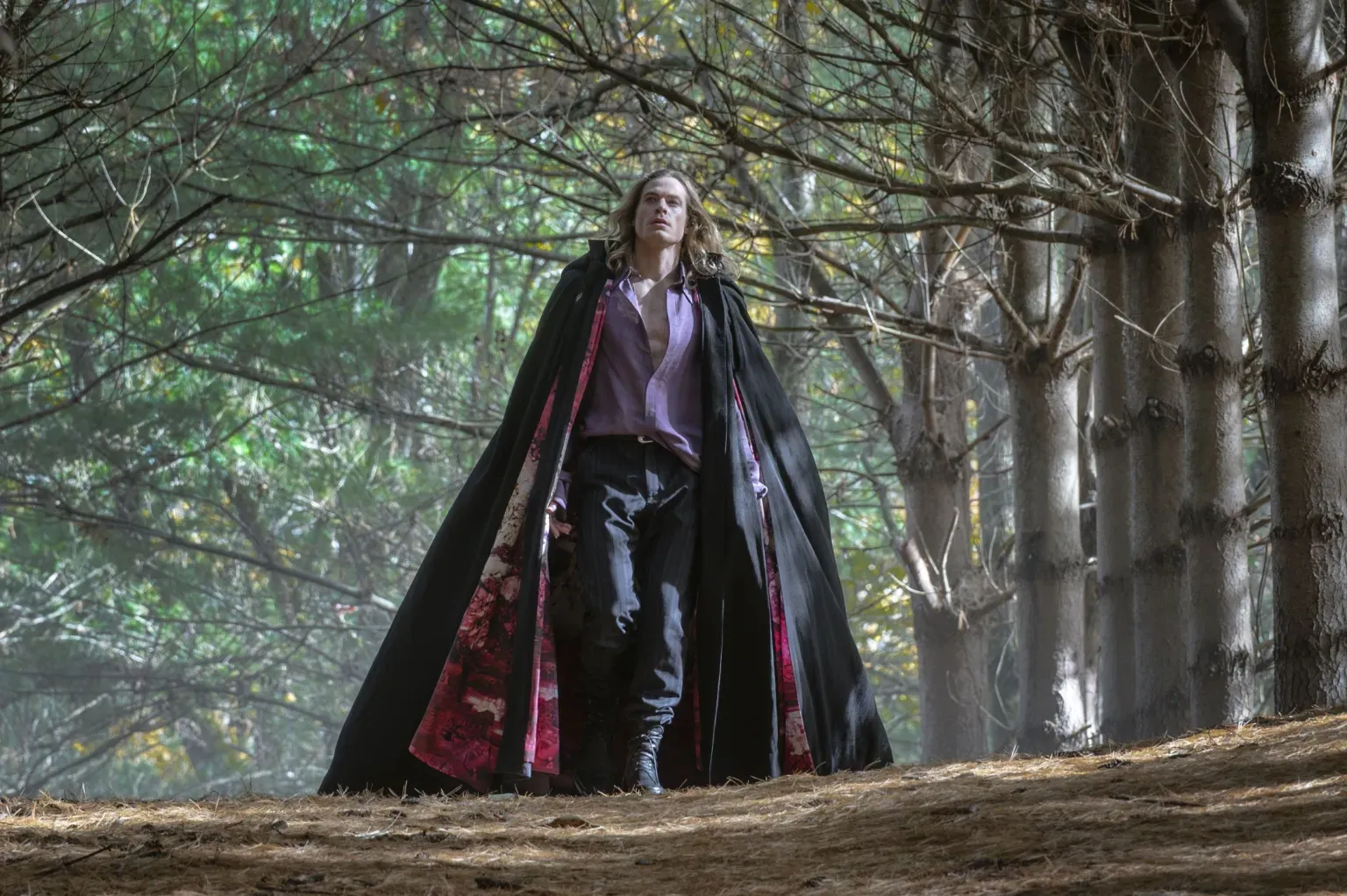
Inside his mind, Lestat returns to the long table that has haunted his memories throughout the season. As Lestat wanders through the forest he mentioned seeing in his dreams in the previous episode, in daylight no less, he comes across a dinner table where his past selves (Gage and Shepherd Munroe) are seated. This eventually transforms as Magnus (Damien Atkins), his vampiric maker, presides over a gathering of fledglings and beloveds, including Louis, his mother Gabriella (Jennifer Ehle), his deceased exes Nicolas (Joseph Potter) and Antoinette (Maura Grace Athari), his recently-turned bandmate Tough Cookie (Sarah Swire), and later Marius (Christopher Heyerdahl) and his younger selves again. The sequence transforms his mind into a ritual of self-condemnation, as the people Lestat has loved gather, eager to enumerate every disaster of Lestat’s life. Claudia (Delainey Hayles) is notably absent, though an empty chair remains reserved for her. She said everything she needed to during the séance, and Lestat’s subconscious grants his daughter the grace to hate him without asking her to return and perform that pain again, even as a manifestation of his own subconscious.
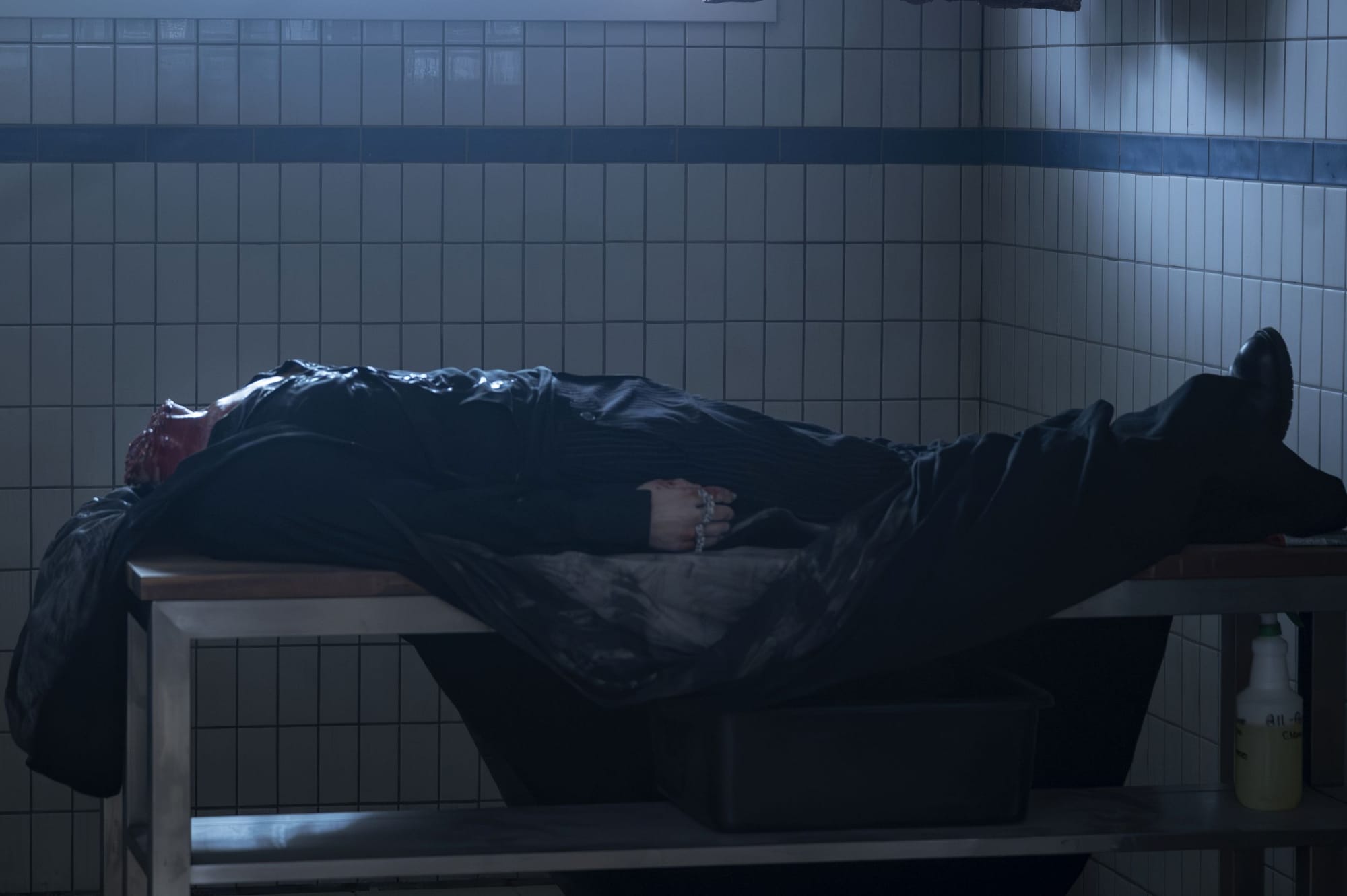
Daniel Molloy (Eric Bogosian) angrily keeps watch over Lestat’s severed head at a bowling alley, while his body remains behind at the butcher shop where Armand has Louis. The grimly absurd separation literalizes the state in which the episode finds him, physically divided, suspended between life and death, while his consciousness retreats inward to take apart the soul that may still bind those pieces together.
As Lestat listens to the list of his supposed failures, he is defensive at first, asking why Magnus is even at the head of the table when he only knew Lestat for a week, during which he repeatedly abused and assaulted Lestat before turning him into a vampire and throwing himself into a fire. A revealing shift occurs when Lestat asks Gabriella, his mother and “other maker”, to take Magnus’ chair. Placing them in the same position allows him to recognize the symmetry between his two foundational abusers, as the entire season is spent under Gabriella’s thrall in an attempt to be what she needs so that she does not abandon him again.
In fact, from the very moment this psychological setting is approached, the visual language makes the realization that Gabriella has abused him impossible to avoid. Gabriella’s hair, clothes, and eyes move between her human past and vampiric present until the two versions finally merge, the face of Lestat’s mortal mother bearing the eyes of the vampire he has tried to treat as someone separate. For centuries, he has divided Gabriella, his mother, from “the Vampire Gabriella”, preserving the fantasy that the mother who raised him, however aloof, was not the same person who later manipulated and sexually abused him. In this moment, the distinction collapses, and Lestat recognizes that her callousness toward him began long before she received the Dark Gift, and that vampirism did not invent the monster, it merely gave her new appetites.
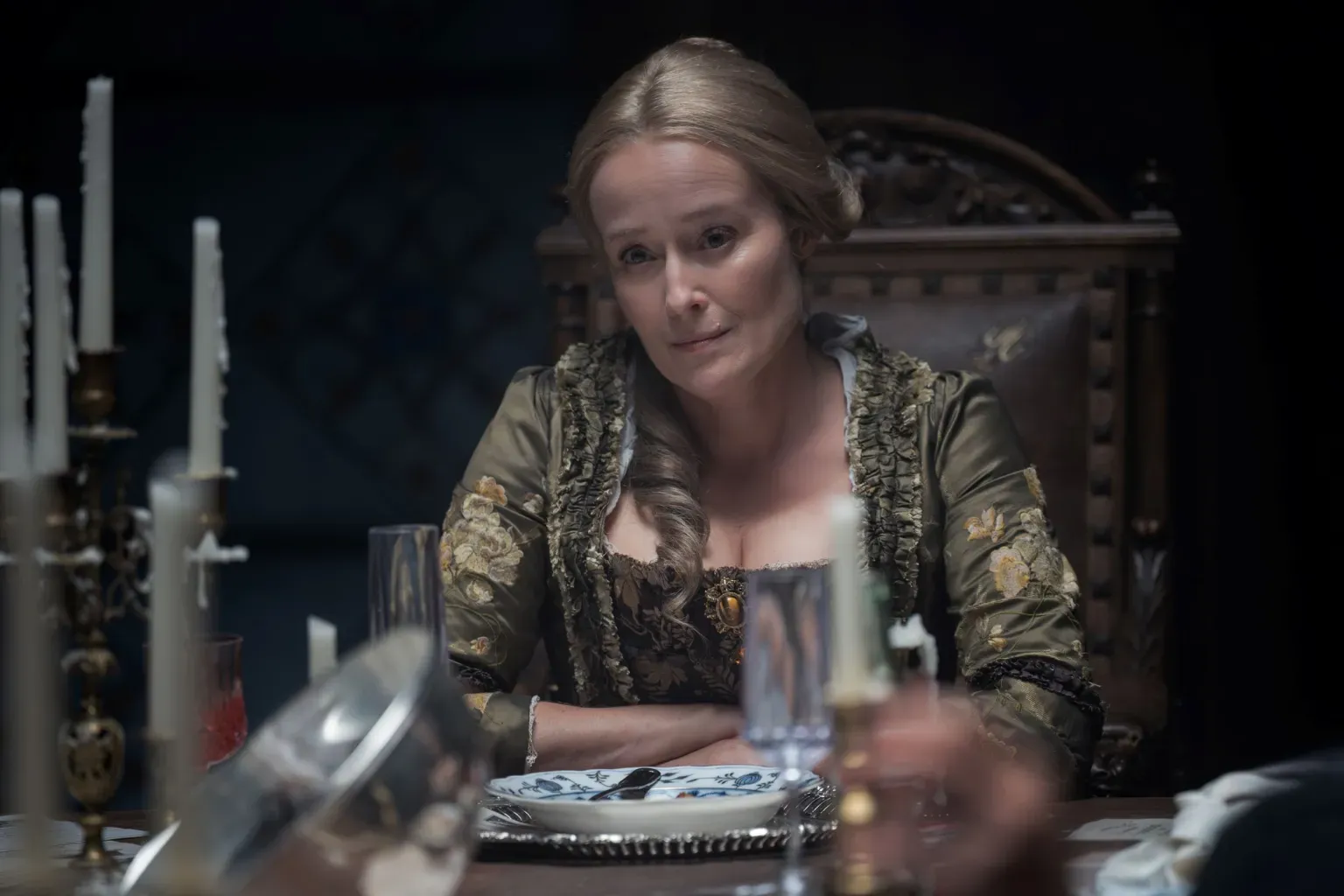
The recovered memory of the witches’ place tears away the last of Lestat’s excuses for Gabriella’s lifelong cruelty. Gabriella took Lestat there as a child and made him watch four young girls burn, including one that he often played with, for harms committed against them, inadvertently teaching him that victims could be shamed, blamed, and destroyed while their abusers remained untouched. He keeps asking Gabriella’s muse why she took him there, as she says that she wanted it to urge him to get out of Auvergne, but he still stayed until he was 30, another “failure”. The sequence builds with feverish intensity and is one of the most compelling moments of the entire series. A stunned fixation overtakes Lestat as the beautiful score (by the brilliant Daniel Hart) crescendos, entrancing viewers just the same. At the end of the memory, Lestat can only sit before the table, making the same low, broken sound he previously associated with Nicki’s death, while Magnus and Gabriella argue over who wounded him more, who wanted him more, who used him more. Each treats possession as devotion, with Magnus casually declaring, “Lestat’s makers love their Lestat,” while discussing the worst things they’ve done to him. Their placement as mirrors within his subconscious is crucial: both offer a love that consumes and demands rather than nurtures, a sharp contrast to the love Lestat will finally recognize comes from Louis.
Across town, Louis is confronted by Armand, who treats decades spent beside Louis as a debt that must finally be repaid in apologies. Dr. Fareed Bhansali (Gopal Divan), once employed by Louis and Armand in Dubai, more recently a part of Lestat’s entourage, monitors Louis’ failing vitals as Armand makes his demands. Armand reveals that Regina (Delainey Hayles) was never a chance encounter, but the carefully cultivated centrepiece of his revenge against Louis when they parted ways at the end of the second season. He found a Claudia lookalike, arranged her entry into Louis’ life, and waited for attachment to form so he could force Louis to witness the loss of his daughter all over again.
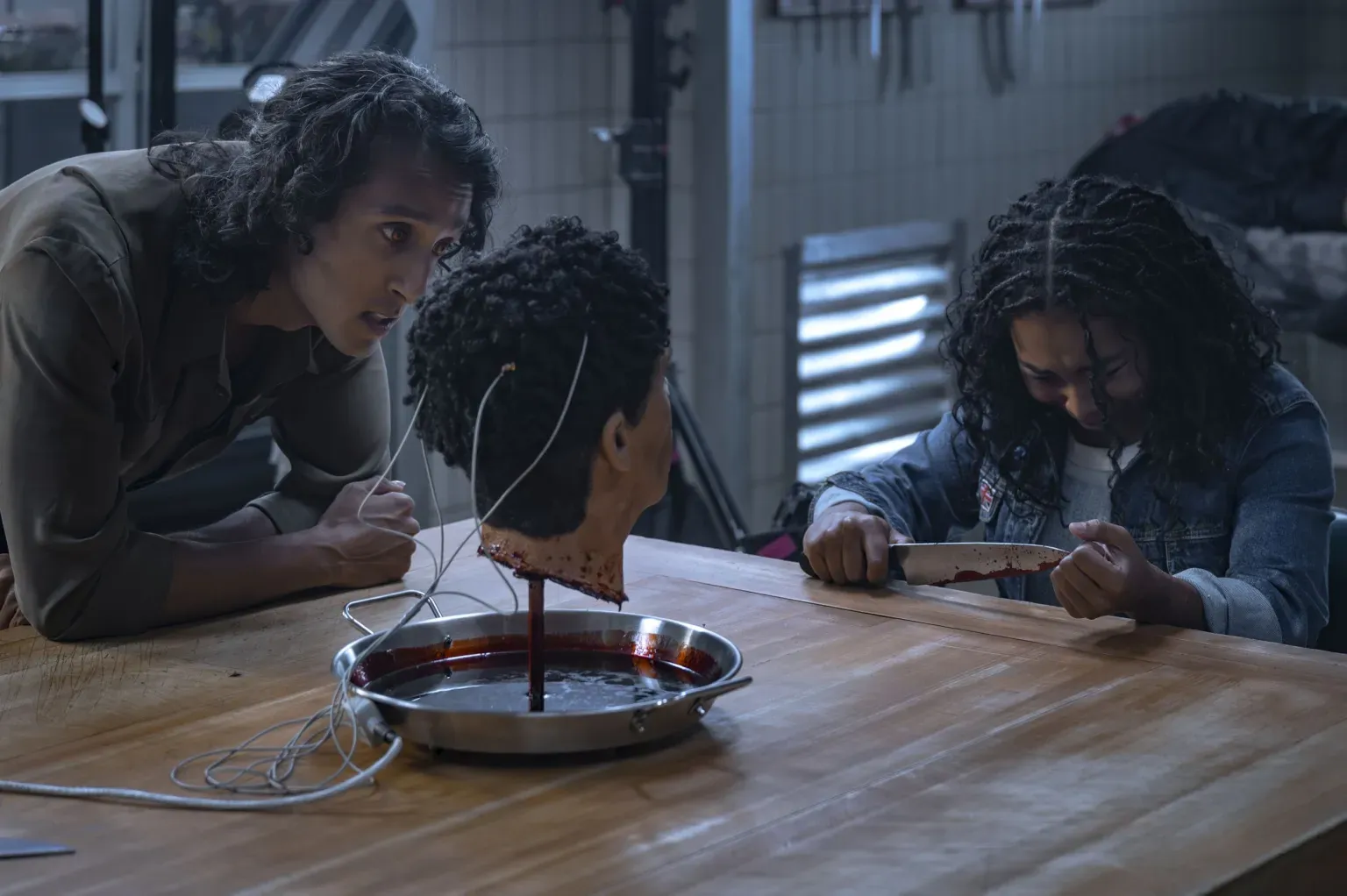
Zaman fully unleashes Armand’s “gremlin” side in the scenes that follow, shedding the facade of carefully performed restraint for a cruel theatricality that makes this one of the character’s most compelling moments yet, turning the butcher shop into another stage he controls. Hayles is just as affecting in her portrayal of Regina here, terrified from the moment Armand brings her into the room and she sees Louis’ severed head. Her fear only deepens into a helpless terror as the full extent of his plan becomes clear, and she realizes the devil she bargained with considers her entirely disposable.
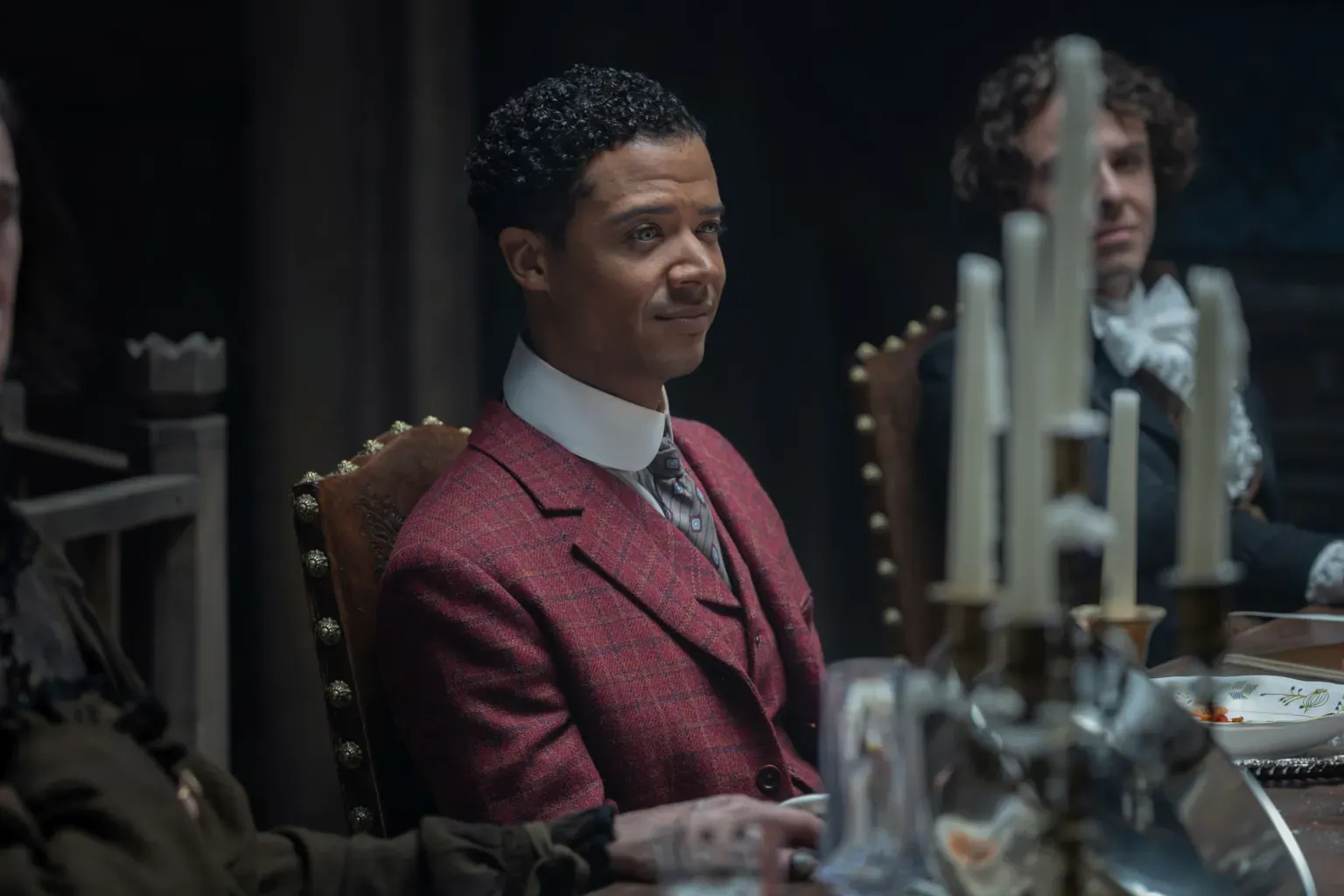
Armand demands an apology for the decades Louis spent beside him while loving someone else, but Louis refuses to give him the absolution he wants. Even under torture, he names Lestat as the emotional centre of their relationship, admitting that “[the] love of my life was him.” When he apologizes for kissing Armand in front of Lestat, he unmistakably adds that he is not sorry to Armand for using him in that moment, but to Lestat for hurting him: “Not for you. Never. For him." That declaration becomes an act of defiance. Armand can control Louis’ body, expose his thoughts and threaten Regina, even hold Lestat’s own prone headless body over Louis, all while life slowly drains away from Louis himself, but he cannot make himself the person Louis loves or make Louis give him what he wants.
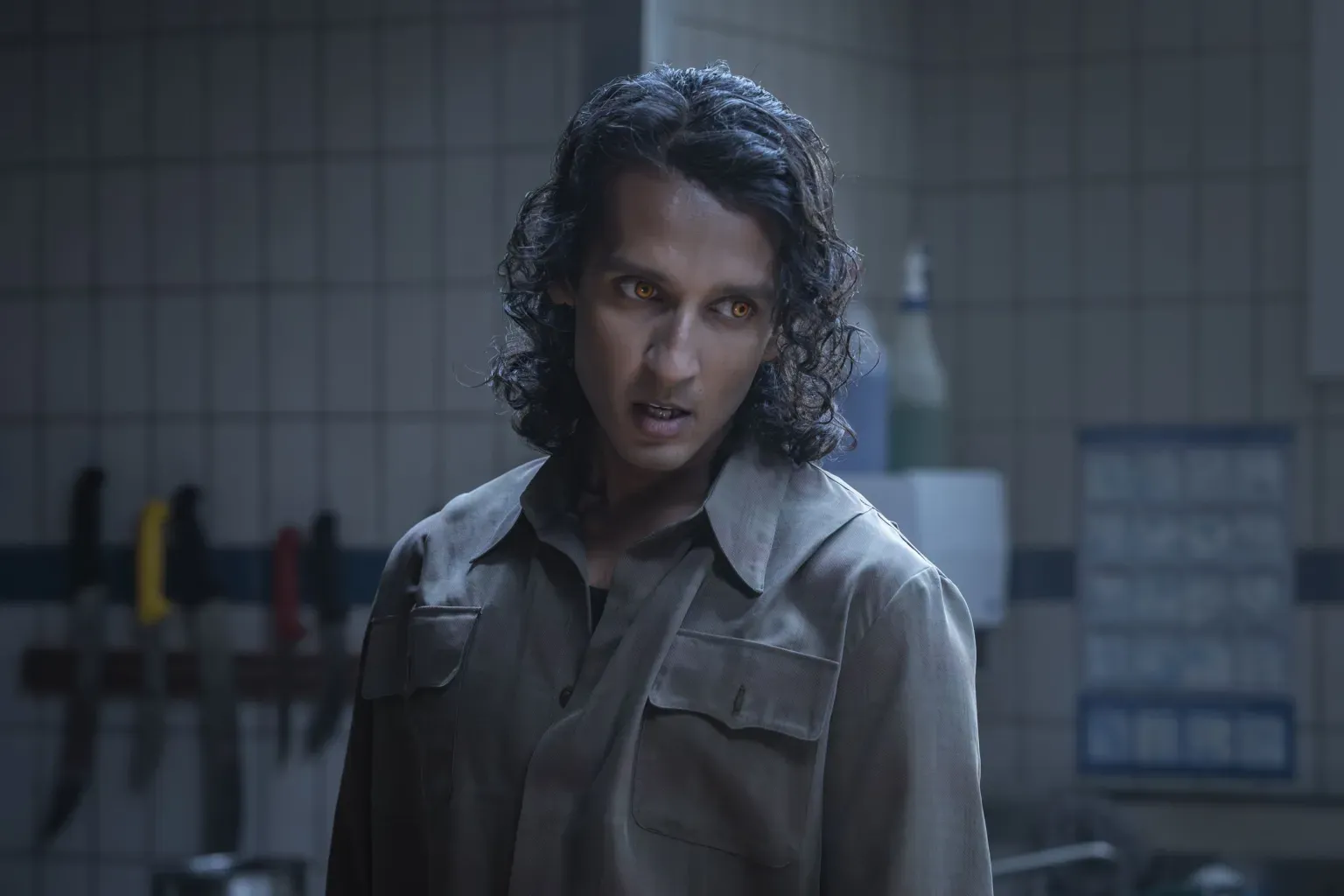
Louis does eventually offer him something, though it is more complicated than surrendering to Armand’s desires. He acknowledges the ways he failed Armand, including his refusal to look directly at the childhood exploitation and suffering that shaped him, because doing so would have required Louis to confront uncomfortable parts of his own human history. He sees the wounded person beneath Armand’s cruelty and recognizes that he deserves a love that “cradles” him rather than using him. The compassion does not excuse what Armand has done, but it reaches a wounded part of him. He heals and releases Regina, and leaves Louis to Fareed, telling him to reattach his head and let him recover.
Anderson delivers one of the series’ most astonishing performances throughout this section of the story. Disgust, desperation, and anguish register with brutal clarity through Louis’ fading voice as his life drains away, before telepathy transforms it into an instrument of raw, almost painful compassion.
While Louis speaks his love for him aloud to someone else, Lestat arrives at the same truth without hearing it. His tether throughout the long table ordeal is the memory of his fingers brushing Louis’ on the bench in the previous episode, their quiet exchange planning what could come next for them. This moment echoes through his mind over and over: “Could be nice," says Louis. “Could be,” says Lestat. Over and over, this memory comes to the forefront of his mind, guiding him through the psychologically torturous, hellish landscape he endures.
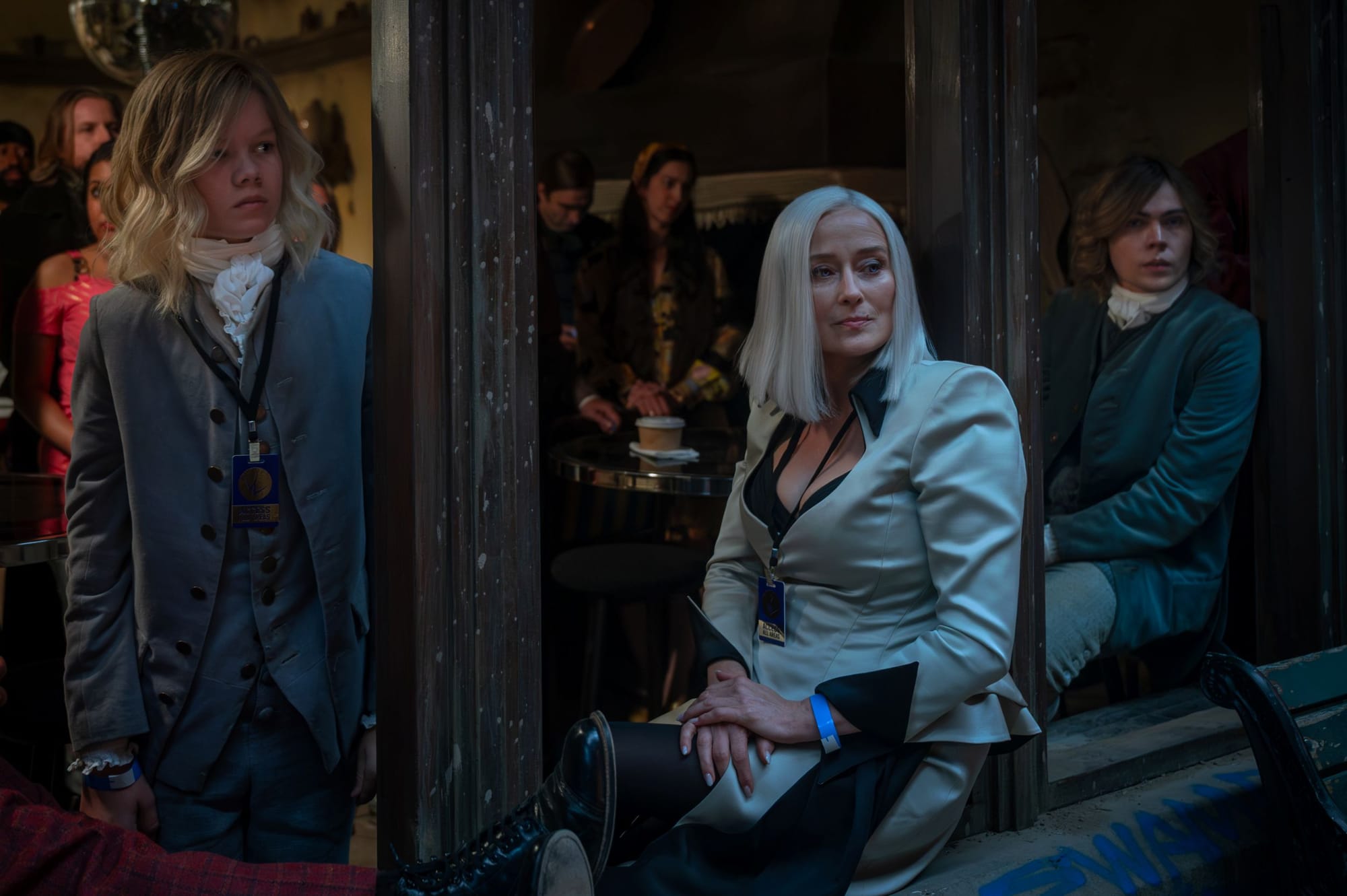
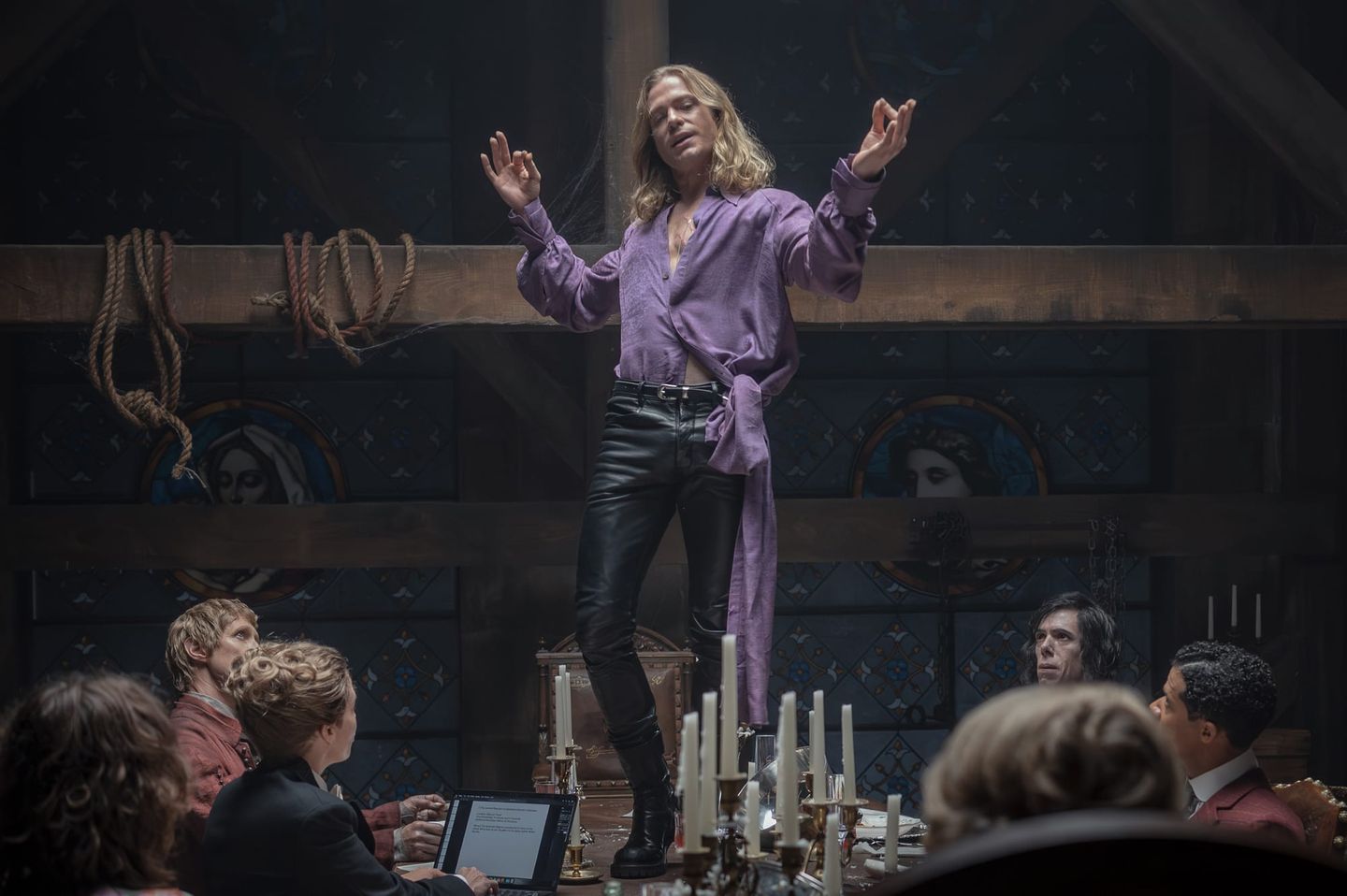
After listening to the muses hurl his failures and faults at him, Lestat gets up on the table, using it as a makeshift stage after snoozing the metaphorical timer of his life slipping away, as the setting changes to a street in France covered with posters, graffiti, and remnants of the centuries of his life. A crowd of people he has either killed or traumatized appears around him as his "fans", the muses watching amongst them, and he answers all of the accusations of failure with his defence: he loved them, and he tried, even if he failed, and that should count for something. "I loved you. I did," he insists, speaking in past tense as if he has already accepted his death is inevitable. He wants to sing them all a final song, but even as its initial notes keep restarting, he is unable to get it out. As time runs out and Lestat gets to a point where he can no longer sing, posture, or redefine himself into surviving, as he falters and sits at the edge of the table, Paul de Pointe du Lac (Steven G. Norfleet) walks out of the crowd and sits beside him.
Paul is the perfect messenger. Back in season one, he was the last person Louis ever told he loved sincerely, before Paul died by suicide, leaving those words tangled with unbearable grief and a heavy weight. Louis’ difficulty saying them again has never meant that the feeling was absent, and Lestat finally understands that. Paul tells him that Louis loves him, and thanks him for loving his brother. Lestat simply accepts it. He does not bargain, demand proof, or dismiss the comfort as fantasy. At the moment he believes he is dying, he knows Louis loves him, and that knowledge is enough. As romantic as this is, there is also a profound self-love in that acceptance. Lestat understands Louis well enough to hear the declaration in every act of care threaded through the upheavals they have faced, and in every impossible way they have survived only to return to one another. He believes himself worthy of receiving Louis’ love. His life may be filled with wreckage, but loving Louis and being loved by him are not failures.
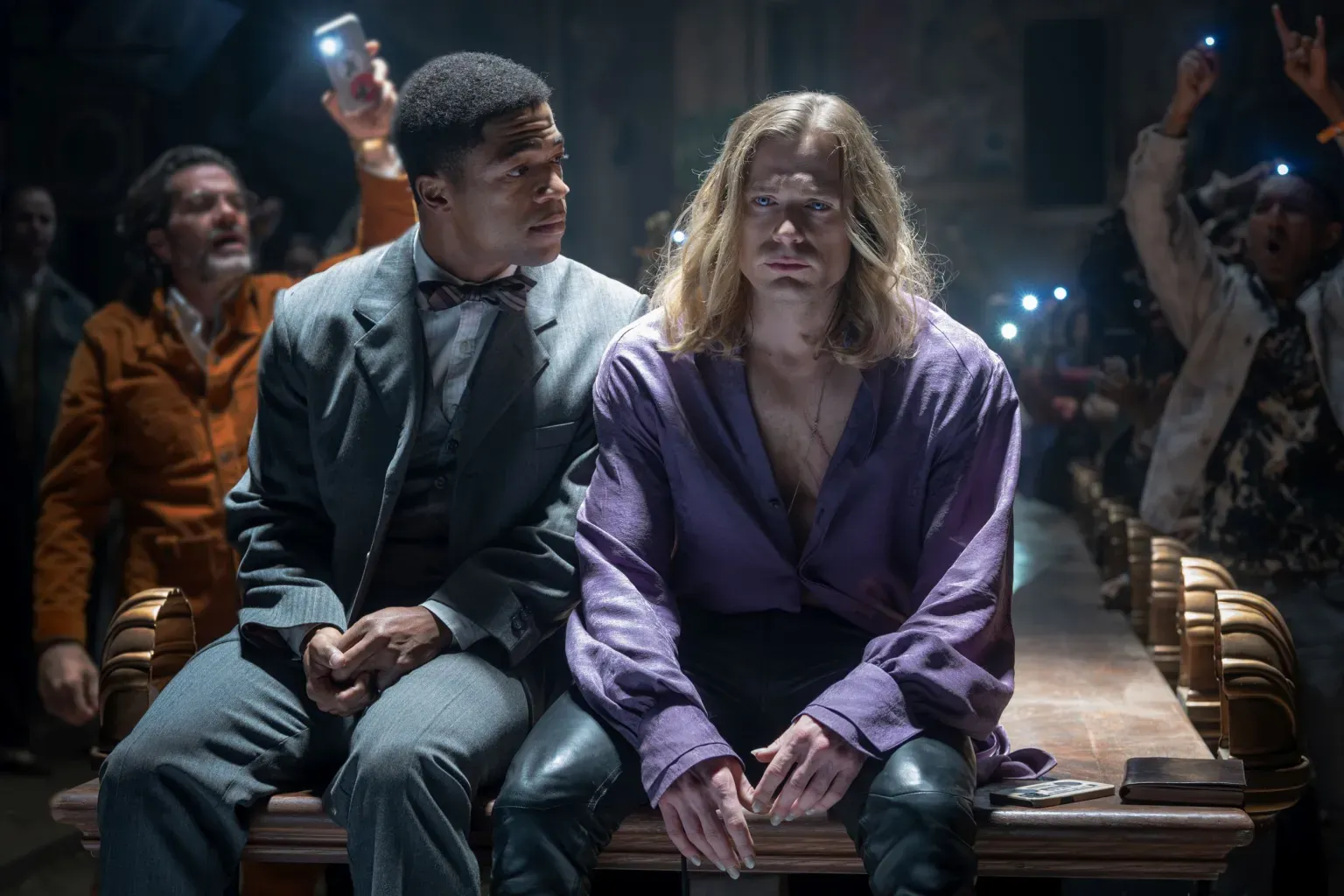
When it seems Lestat’s life has finally slipped away, the timer reaching its end as he and Paul look up at the “silver threads” binding vampirekind together, he abruptly awakens on the tour bus surrounded by his band, Gabriella, and Raglan James (Justin Kirk), head reattached and sporting a vicious scar. Raglan recovered Lestat’s head after members of the Talamasca confronted Daniel at the bowling alley, though the episode withholds the full details of that exchange, leaving a thread that may be revisited in a potential fourth season alongside the role bandmate Alex (Seamus Patterson) played in the whole ordeal. Lestat does not yet know the man beside him, but his future narration calls Raglan a “friend", leaving room for development as later books are pulled from.
While everyone around him talks at him all at once, with the thousands of “Beautiful Unwell” fans pressing against the bus from every side, Lestat’s first instinct is to find Louis. Louis, having survived his own nightmare, has already come to him and waits on the lower level. Their reunion is almost wordless as they take each other in. Each reaches for the matching wound around the other’s neck. Earlier, in what each believed to be their final moments, neither had room for thoughts of anyone or anything but the other. As Louis’ life drained away, he told Armand, “Even now, still thinking about him.” Inside his own fading consciousness, Lestat returned once more to the instant before their decapitation: “‘Could be,’ hands touch.” Their reunion on the bus therefore feels less like a new beginning than a continuation. They pick up where they left off on the bench, as we see them mouth the words “evening primrose” and “birds” to each other, recalling their conversation the night prior as they imagined a future together. Their romance has threaded the entire season together even through distance, resentment, and separation, because there is a sense of calm and peace and overwhelming love that is palpable when they are finally together, especially in the intimacy of this shared moment.
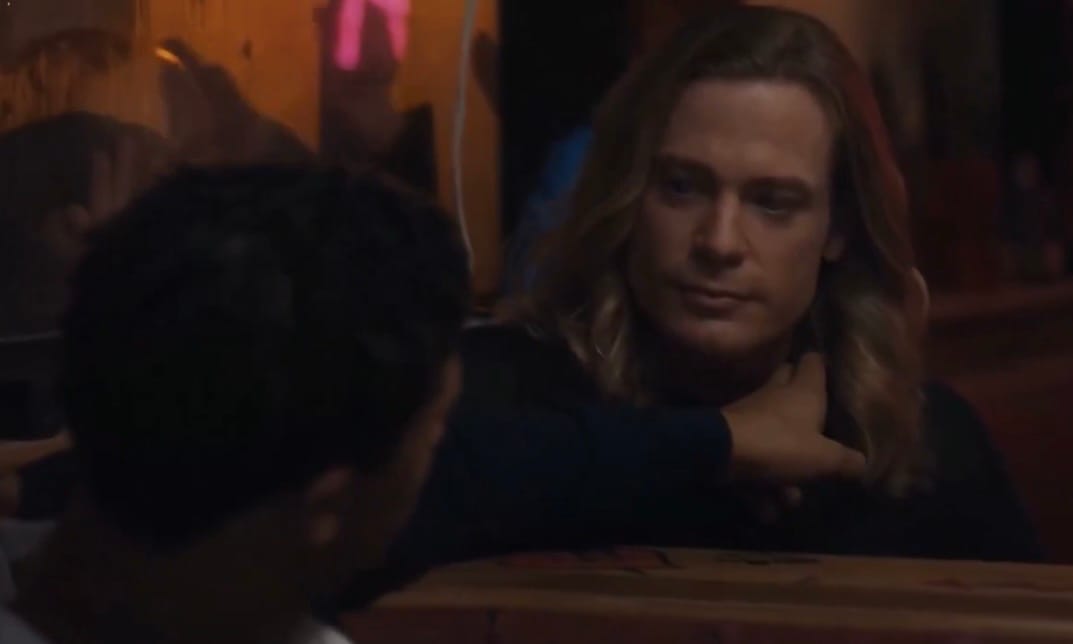
The certainty of what they have gives Lestat the strength to confront Gabriella when she follows him downstairs and demands that he go out there, even after his brush with death, and perform the concert. He finally names her cruelty, yelling as he calls her a monster, Louis sitting by him in silent support, and refuses to keep arranging his life around her approval. The refusal may not prevent what follows, as the narration reveals that the concert does still occur, but it matters that he stands up to her. For the first time, he can recognize the difference between the mother who needs his obedience to need him, and the man who loves him unconditionally without requiring anything at all.
The scene abruptly cuts off, and the infamous memorial concert remains unseen, along with the moments leading up to it. Instead, the episode jumps forward to Lestat recording “The Failures,” the tapes that have framed the season’s narration, alone inside his Montreal home, before stepping onto the balcony to survey a city in ruins. His band’s house sits destroyed across the street, “SHE IS THE ANSWER” graffitied on the pavement below. Whatever happened at the concert to awaken the queen, and whatever Akasha (Sheila Atim) unleashes afterward, Lestat has placed the blame entirely upon himself as he says, “The fault was mine. All mine.”
Reid plays the final scene in stark contrast to the heightened anguish and volatility that define so much of the episode. Where Lestat’s reckoning at the long table erupts through panic and confusion, fury and grief, and theatrical defiance, the balcony scene is almost unnervingly still. Tiny shifts in his expression, the distant set of his eyes, and the faint slackness in his face reveal a mind perhaps retreating beneath the weight of what has happened in his isolation. It is a fitting culmination of Reid’s layered performance across the season, holding his many contradictions together so completely that they feel less like opposing traits than inseparable parts of the same, brilliantly multifaceted person.
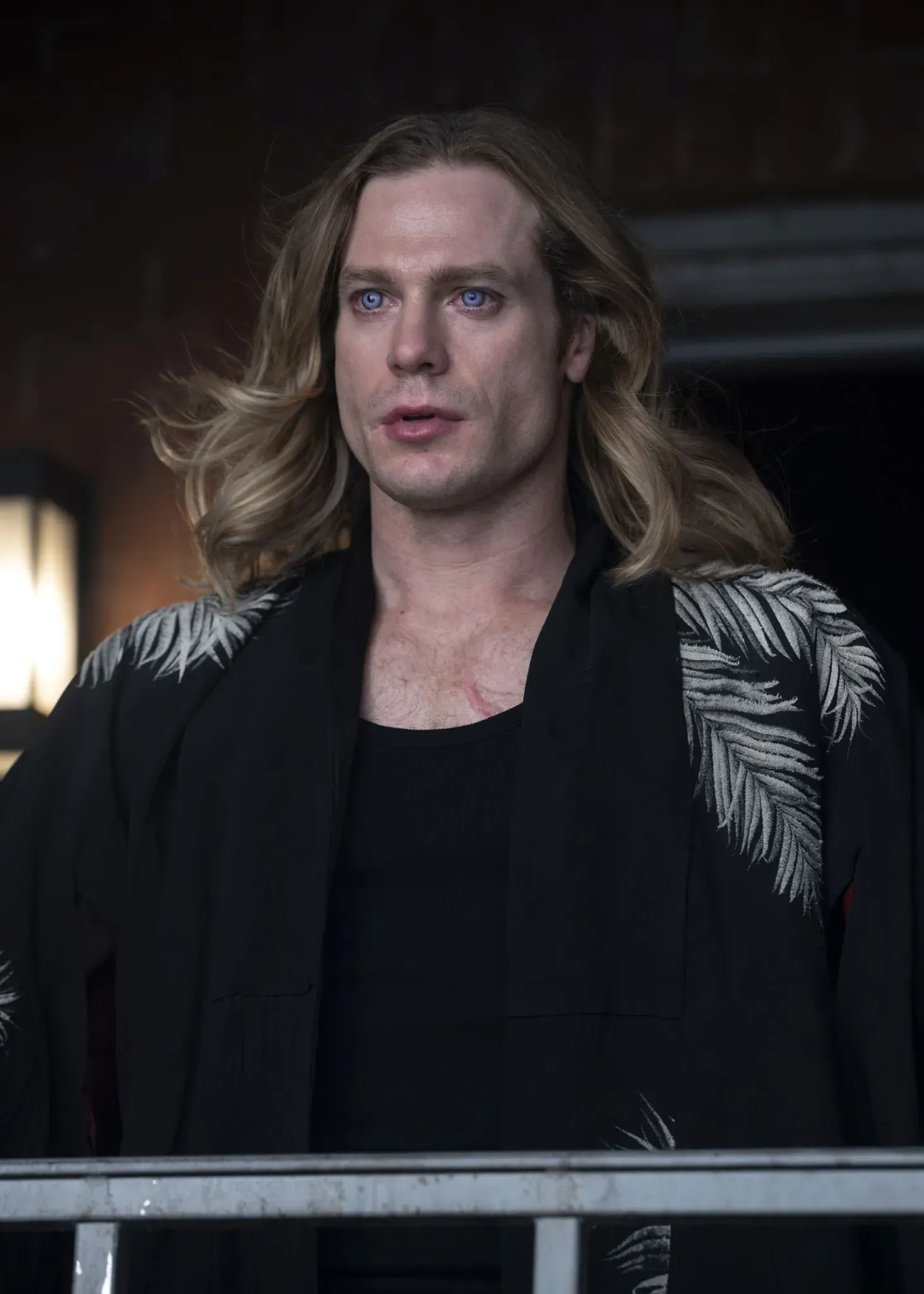
That eerie, almost dissociative vacancy leaves the confession of guilt suspended somewhere between testimony and farewell. Are “The Failures” merely Lestat’s account of the events leading to the catastrophe, or is he preserving the story before punishing himself for his part in the destruction? The finale gives Lestat a reason to live, then shows how difficult it will be to hold onto that reason when it seems his worst beliefs about himself are confirmed down the line. Love had begun dismantling the monument he built to his own failures, but the ruined city beyond the balcony offers him fresh rubble from which to raise it again, in the form of these so aptly-titled recordings.
We are left eagerly awaiting a renewal announcement for another season, to discover how Queen of the Damned, the third novel in Anne Rice’s Vampire Chronicles, will be adapted alongside the remaining threads of The Vampire Lestat and the wider saga. As this daring, intimate, and gloriously unruly season ends with The Vampire Lestat’s “Butterscotch B*tch” playing over the credits, the story feels less concluded than flung open, ending not with the uneasy question of where it could possibly go next, but with the absolute thrill of wanting to follow wherever it leads.
"Did the flavour of my failures prove good enough to gild your gaping wound?"
All episodes of The Vampire Lestat are now streaming on AMC+. The show is slated for release on BBC iPlayer in the UK on Tuesday, July 28th.